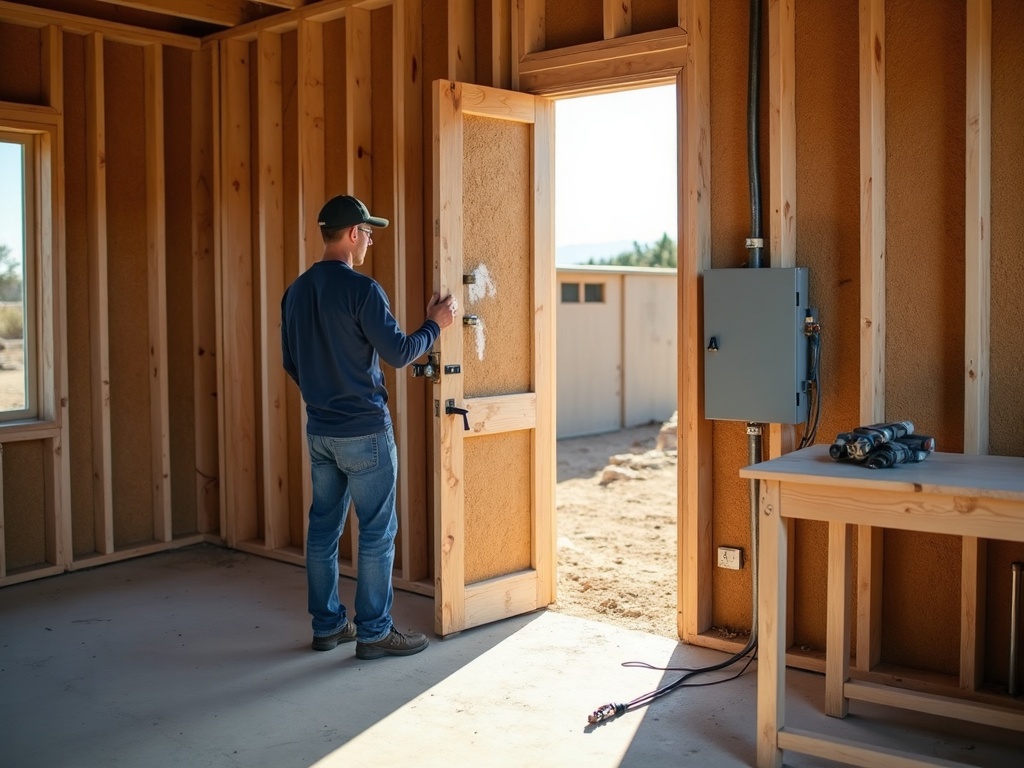

If you’re deep in tile samples and cabinet pulls right now, here’s the thing nobody tells you until it’s too late: the most expensive mistake in a kitchen remodel has nothing to do with countertops. It’s finding out — after the drywall is hung and the backsplash is grouted — that the Kitchen Remodel Electrical wasn’t planned far enough ahead. We see it constantly in Scottsdale, AZ, and it costs homeowners real money in demo, repair, and re-inspection fees that could have been zero with a single conversation before framing closed up.
Why Rough-In Timing Is Everything
Rough-in is the phase where wiring runs through open walls, circuits get labeled at the panel, and an inspector signs off before anything gets covered. Miss it, and you’re tearing out finished work. Our detailed guide on electrical rough-in for a home addition walks through exactly what that inspection window looks like — the kitchen version follows the same logic, just with more circuits packed into less space.
For high-end kitchen electrical rough-in in Scottsdale, AZ, the list of dedicated circuits is longer than most homeowners expect. Here’s what a properly wired modern kitchen actually needs.
The Dedicated Circuits Every Modern Kitchen Requires
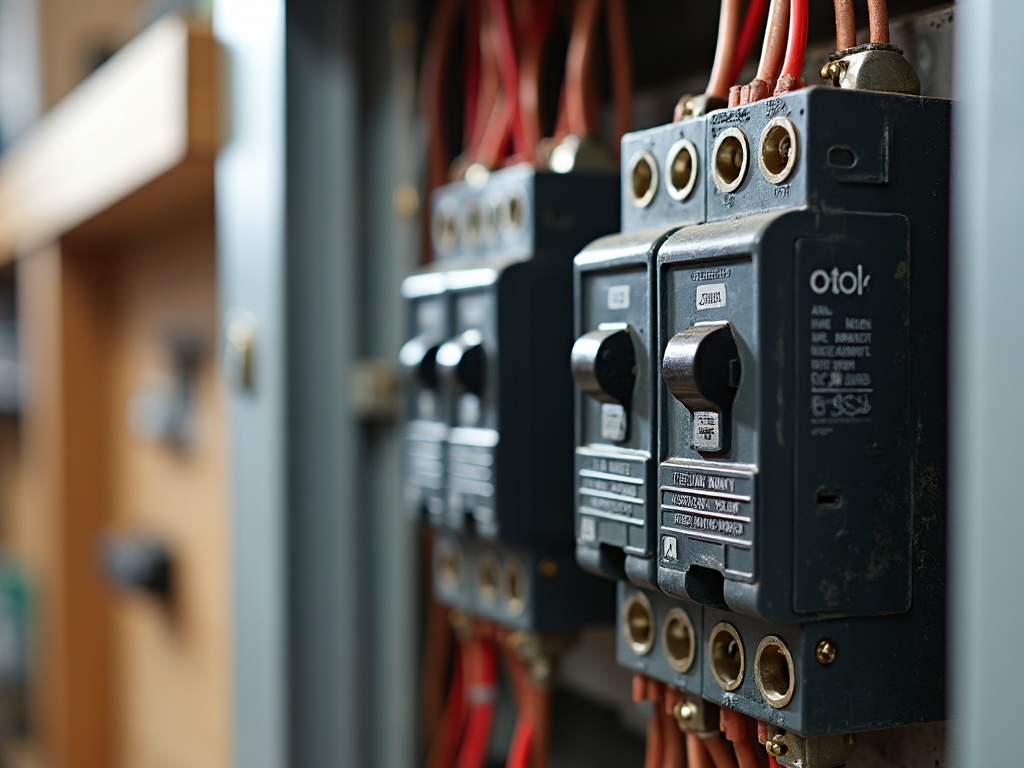
- Induction cooktop or electric cooktop circuit — This is the big one. An induction cooktop wiring run typically requires a 240-volt, 40- to 50-amp dedicated circuit. The exact amperage depends on the cooktop’s rated load — check the spec sheet before we pull wire. If you’re planning a high-output induction range, some units push 50 amps at full load. Getting this wrong means a tripping breaker every time all four burners run simultaneously — not ideal when you’re hosting Thanksgiving.
- Dedicated circuit for microwave — A built-in or over-the-range microwave needs its own 20-amp, 120-volt circuit. Sharing it with the toaster or coffee maker is how you end up resetting the breaker mid-morning. This is code in most jurisdictions, and Maricopa County inspectors look for it.
- Refrigerator — Dedicated 20-amp, 120-volt circuit. Yes, even if the fridge you’re buying is energy-efficient — the startup draw on a compressor is what trips shared circuits. We cover this in depth in our post on whether a refrigerator actually needs a dedicated circuit.
- Dishwasher — Its own 20-amp, 120-volt circuit. Always.
- Small appliance circuits — NEC requires at minimum two 20-amp small appliance branch circuits covering counter-level receptacles. Most high-end kitchens benefit from three or four, especially with a coffee station, stand mixer, and instant-hot water tap all living on the same counter run.
- Garbage disposal — Dedicated 20-amp circuit, switched or hard-wired depending on your setup.
- Under-cabinet lighting — Often forgotten until the cabinets are already hung. Plan a dedicated lighting circuit here — ideally one that integrates with your smart-switch system if you’re going that direction.
The circuits you plan at rough-in are the ones you live with for 20 years. Getting them right costs the same as getting them wrong — until the walls close.
Does Your Panel Have Room for All of This?
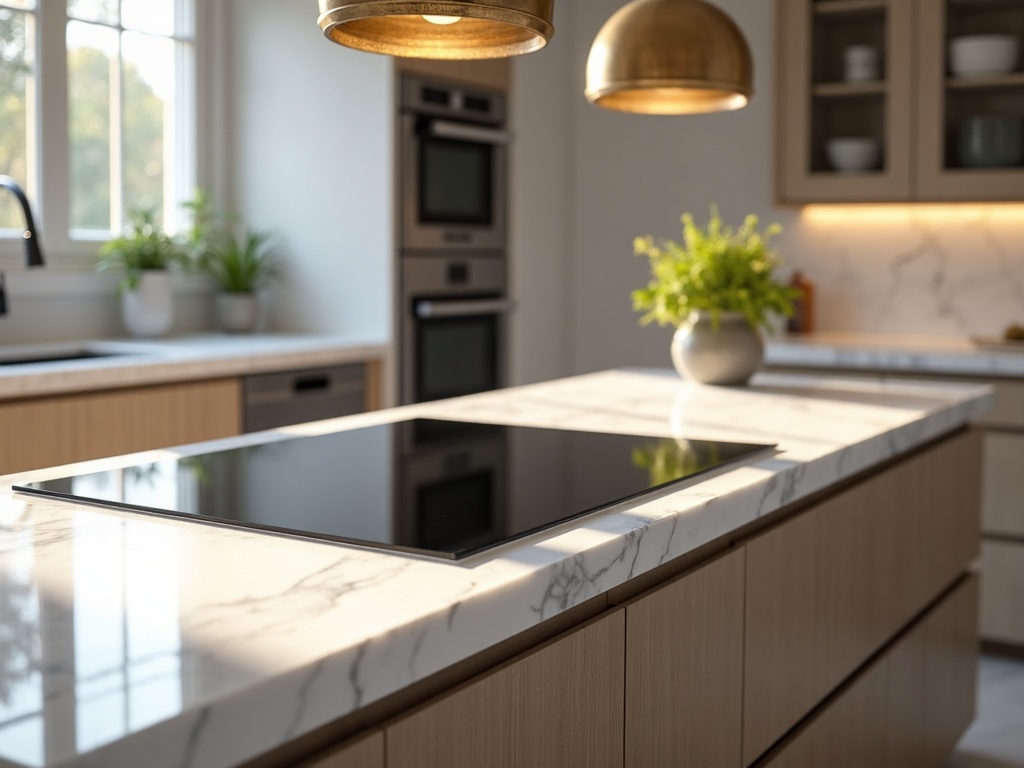
This is where a lot of remodels stall — or get done badly. A full high-end kitchen electrical rough-in can add six to ten new breaker slots to your panel. If you’re in a home built in the 1980s or 1990s near McCormick Ranch or the Gainey Ranch corridor in Scottsdale, there’s a real chance your panel is either full, undersized, or both. We did an honest breakdown of whether 200-amp service is still enough for a modern Arizona home — worth a read before your contractor submits permits.
If your panel is already running the HVAC, an EV charger, and the old kitchen load, adding an induction cooktop circuit and four more dedicated circuits without a capacity check is how you create problems that fail inspection — or worse, never get caught until something burns. We use thermal imaging on every panel we touch, which lets us see overloaded conductors that a visual inspection misses entirely.
Kitchen Remodel Electrical Done Right: What the Process Looks Like
For homeowners in Scottsdale, AZ working with a GC or design-build firm, we coordinate directly with the contractor’s schedule so rough-in happens at exactly the right phase — after framing, before insulation. We pull the permit, we show up for the inspection, and we don’t leave until it’s signed off. That’s not extra — that’s just how licensed work is supposed to go.
Realistically, a kitchen rough-in electrical scope — covering all the dedicated circuits above plus panel work if needed — runs anywhere from a few hundred dollars for a simple circuit addition in an already-upgraded panel, to several thousand dollars when a panel upgrade, new meter base, or subpanel is part of the equation. Every kitchen is different. What we can promise is a straight number before any work starts, no scope creep without a conversation first.
The NEC’s kitchen circuit requirements are a helpful baseline if you want to cross-check what your current electrician is proposing — the NFPA 70 National Electrical Code is the governing document, and any licensed electrician in AZ works from it.
If you’re a homeowner who’s been burned before by someone who skipped the permit or roughed in a shared circuit where a dedicated one was required — we hear that constantly. It’s exactly why we made credentials and inspection accountability central to how FHR Electric operates. Twenty years in the Phoenix metro means we’ve seen what shortcuts look like behind drywall, and we don’t take them.
Ready to plan your rough-in the right way? Reach out to FHR Electric at (602) 492-9999 before the countertops are on order. That’s the window — and it closes fast.