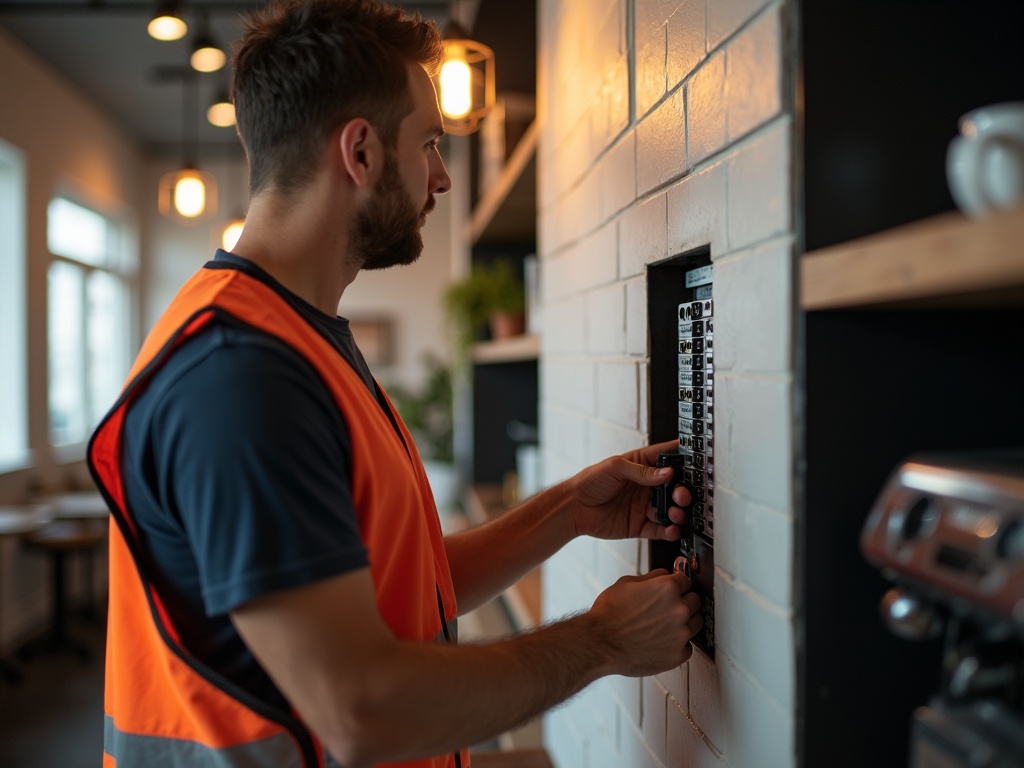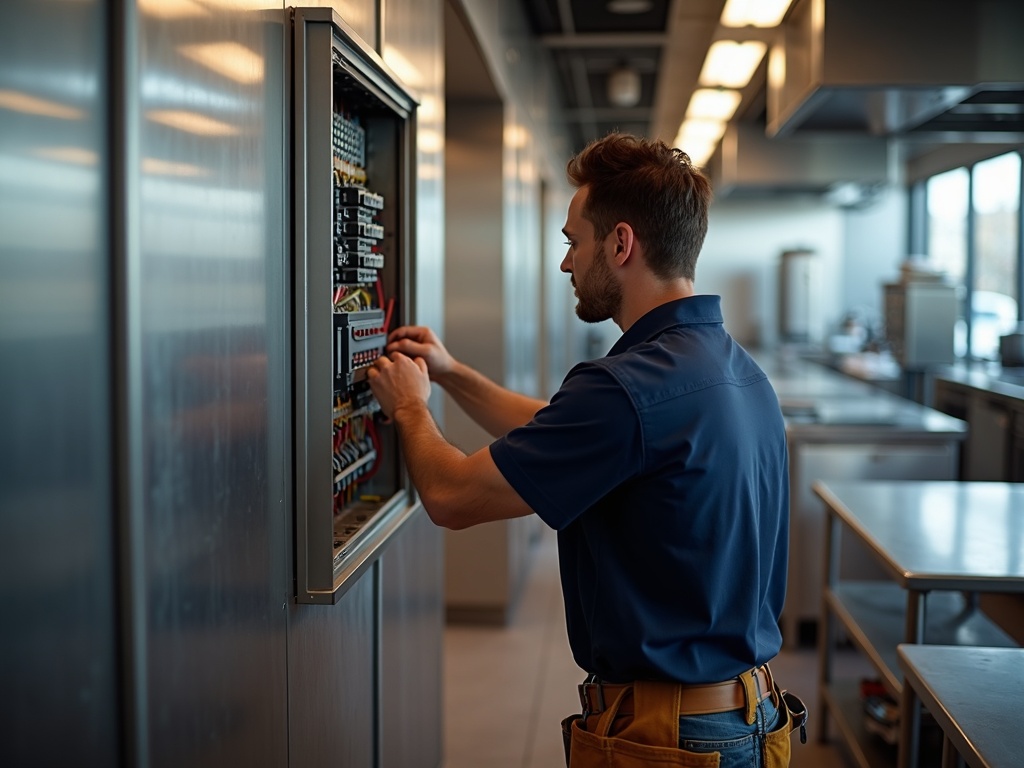
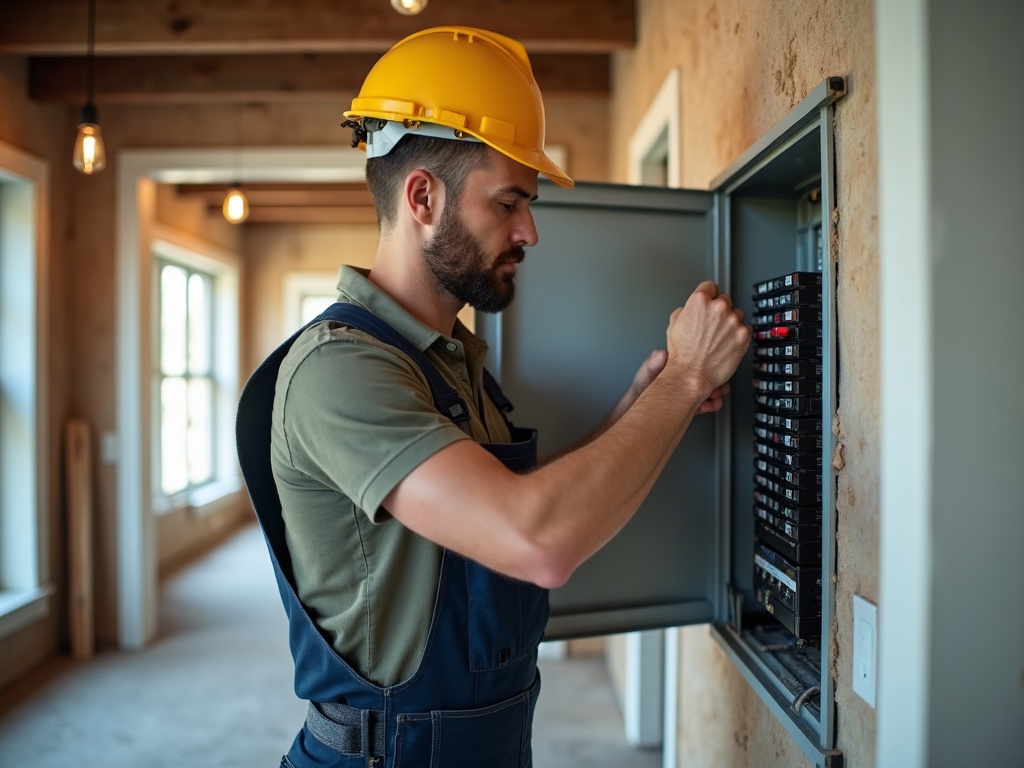
If you’re opening a coffee shop in Scottsdale, AZ — or anywhere across Scottsdale, AZ and Maricopa County — the electrical side of your buildout will make or break your opening day. Electrical Contractor for Coffee Shop is a specialty, not a side gig, and the difference between a smooth launch and a tripped breaker at 7 a.m. rush hour comes down to how well your circuits were planned before the equipment arrived. We’ve wired commercial kitchens, cafés, and food-service spaces across the Valley, so here’s what you actually need to know.
Why Coffee Shop Loads Are Deceptively High
Espresso machines look sleek on a counter. Electrically, they’re small industrial appliances. A commercial two-group espresso machine typically draws 15–20 amps at 240 volts — that’s one machine, one dedicated circuit, full stop. Add a steam boiler, and you may need a second dedicated 240V circuit just for that unit. Most café owners are genuinely surprised when we walk through the equipment list together.
Here’s a quick picture of what a modest coffee bar actually puts on your electrical panel:
- Commercial espresso machine: 20A–30A, 240V dedicated circuit
- Coffee grinders (2): 15A each, ideally on separate circuits
- Undercounter refrigeration: 15A–20A dedicated circuit per unit — and yes, commercial refrigerators absolutely need their own circuit
- Glass-door display cooler: 20A dedicated circuit
- POS system + credit card terminals: 15A circuit, ideally surge-protected and isolated
- Blenders (for smoothies/frappes): 15A–20A, separate from espresso circuits
- HVAC and exhaust: Sized separately by load calculation
That list alone can push a small café past 200A of service. If you’re taking over an older retail space near Old Town Scottsdale or a strip center in North Phoenix, there’s a real chance the existing panel can’t handle it without an upgrade — and that upgrade needs to be on the permit before your health inspection.
The Circuits That Cannot Share
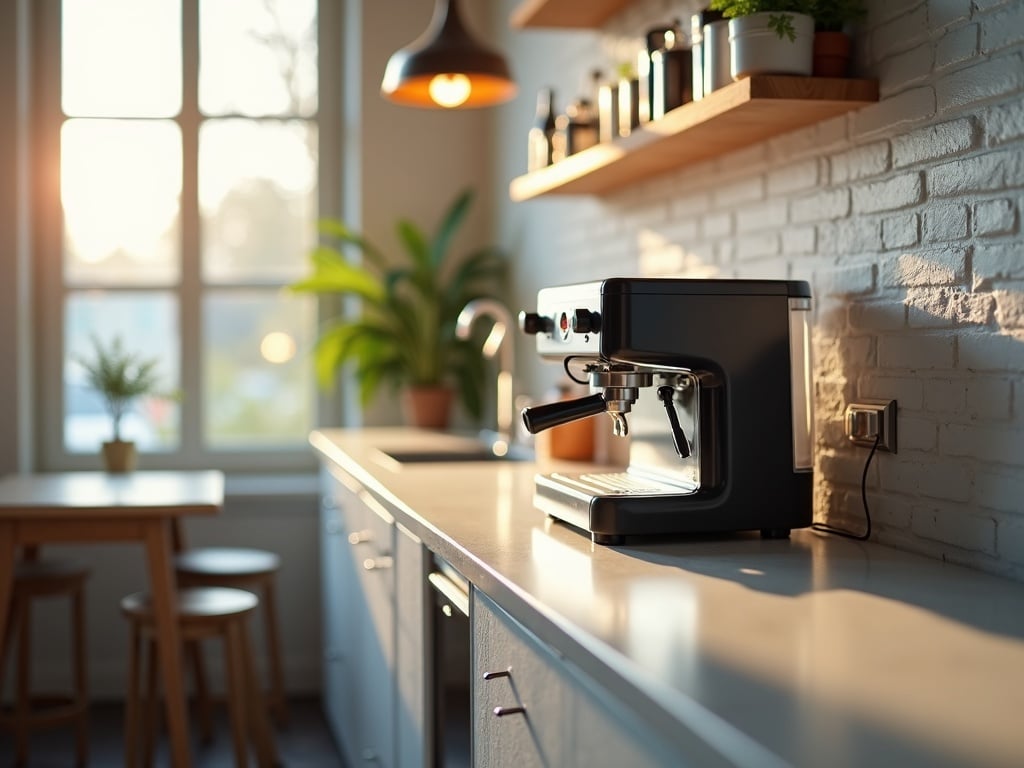
This is where corners get cut and problems start. Shared circuits in a café setting don’t just trip breakers — they create voltage fluctuations that damage sensitive equipment over time, void manufacturer warranties, and can cause a POS terminal to freeze mid-transaction. A properly planned dedicated circuit layout isn’t upselling. It’s the baseline for a code-compliant, insurable commercial space.
“Every piece of equipment that heats, cools, or processes payments deserves its own circuit. That’s not a luxury — it’s how you stay open.”
Your POS system and network equipment deserve special attention. These need clean, stable power — a shared circuit with a blender introduces noise and surge risk. We typically run a dedicated 15A circuit with a whole-strip surge protector for the POS island, and route low-voltage data cabling on a separate path. If you want to understand how the low-voltage side of that is structured, our data and low-voltage wiring services cover exactly that.
Load Assessment and Panel Reality
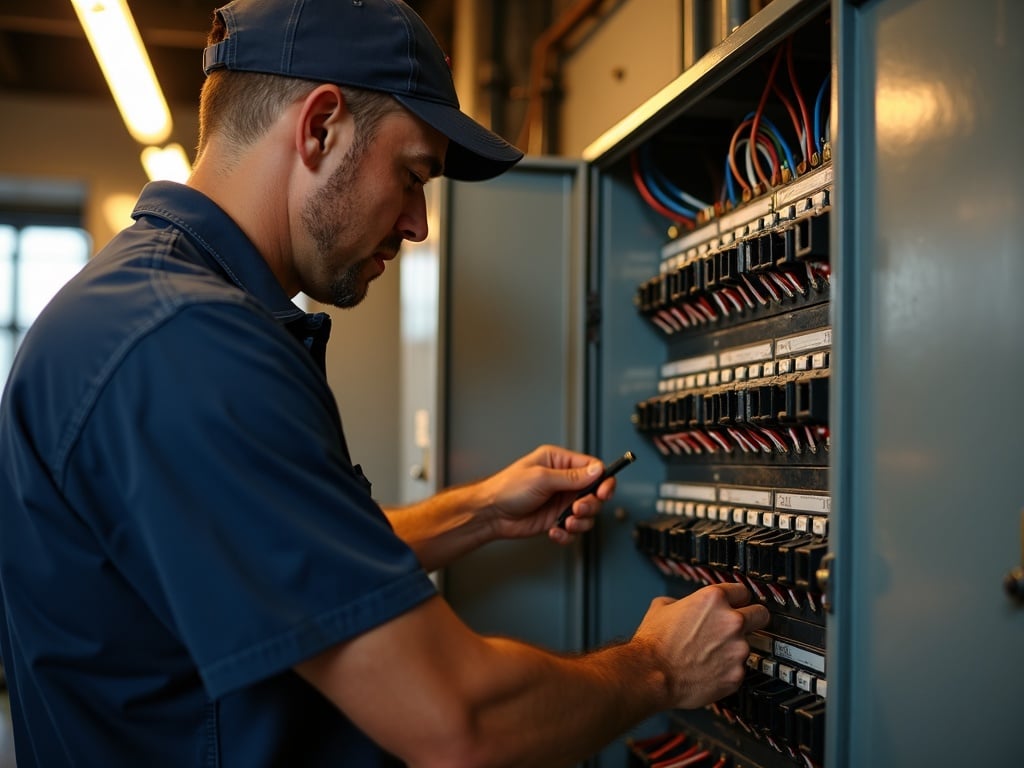
Before a single circuit is pulled, a licensed electrical contractor should do a proper load calculation for the space. This isn’t guesswork — it accounts for every piece of equipment’s running amperage, the demand factor, and what the utility service can actually deliver. If you’ve ever wondered what that process looks like, our breakdown of what a load assessment actually involves gives you a solid foundation, even though that post addresses residential — the methodology translates directly to commercial café planning.
If the panel is undersized, you may also be looking at a meter base upgrade — something landlords often push back on, but that APS or SRP will require before increasing your service amperage. We’ve navigated this with café clients in Tempe, Chandler, and Gilbert, and we can tell you upfront what the utility will and won’t approve before you’re three weeks from opening.
If a circuit addition or load balancing is all that’s needed, we’ll tell you that too — straight answer, no inflated scope.
What to Expect From a Qualified Café Electrical Contractor
A qualified contractor pulls permits, coordinates with the city inspector, and documents every circuit. They use thermal imaging to verify connections under load — not just continuity tests. They schedule around your buildout timeline so the rough-in is ready before the tile goes down and the trim-out is done before your equipment delivery.
What they don’t do: disappear after rough-in, skip the permit to save time, or wire a 240V espresso circuit on a 120V line and call it done. If that sounds familiar from a previous project — you’re not alone, and it’s one of the most common calls we get from café owners in Scottsdale, AZ who inherited someone else’s mess.
At FHR Electric, we’ve been working commercial and residential electrical across Maricopa County for over 20 years. We’re licensed, insured, and we treat a café buildout with the same thoroughness we bring to a medical office or a high-end home remodel — because your livelihood depends on getting it right. Call us at (602) 492-9999 before the equipment trucks show up, and we’ll build a circuit plan that actually fits your operation.