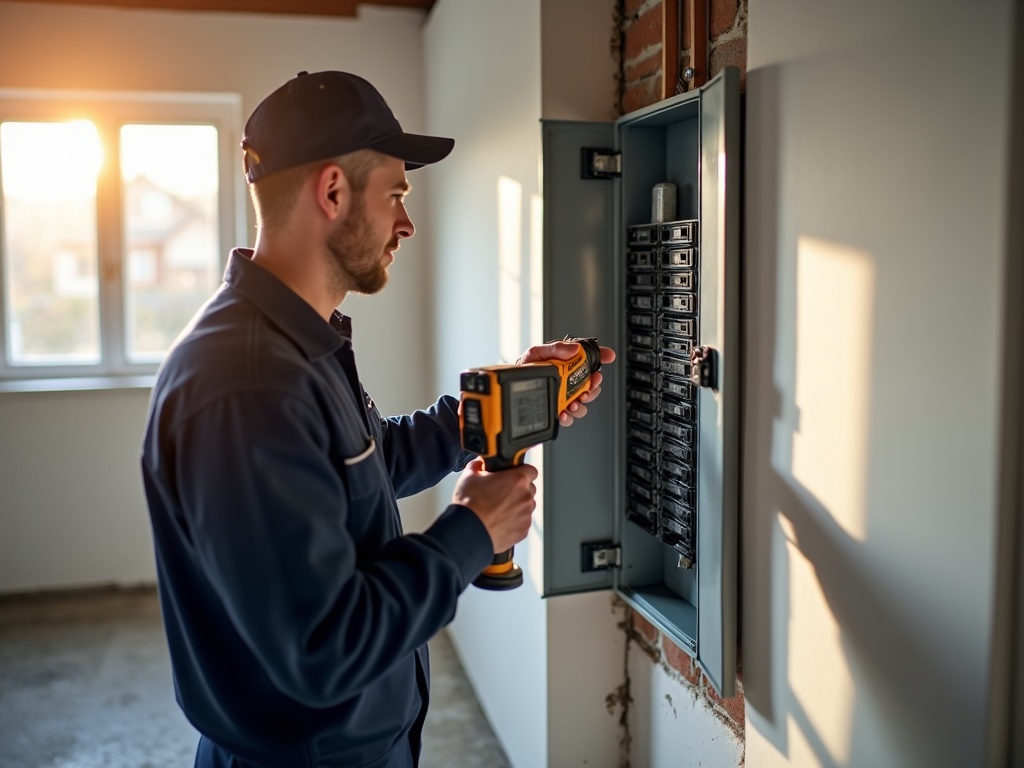
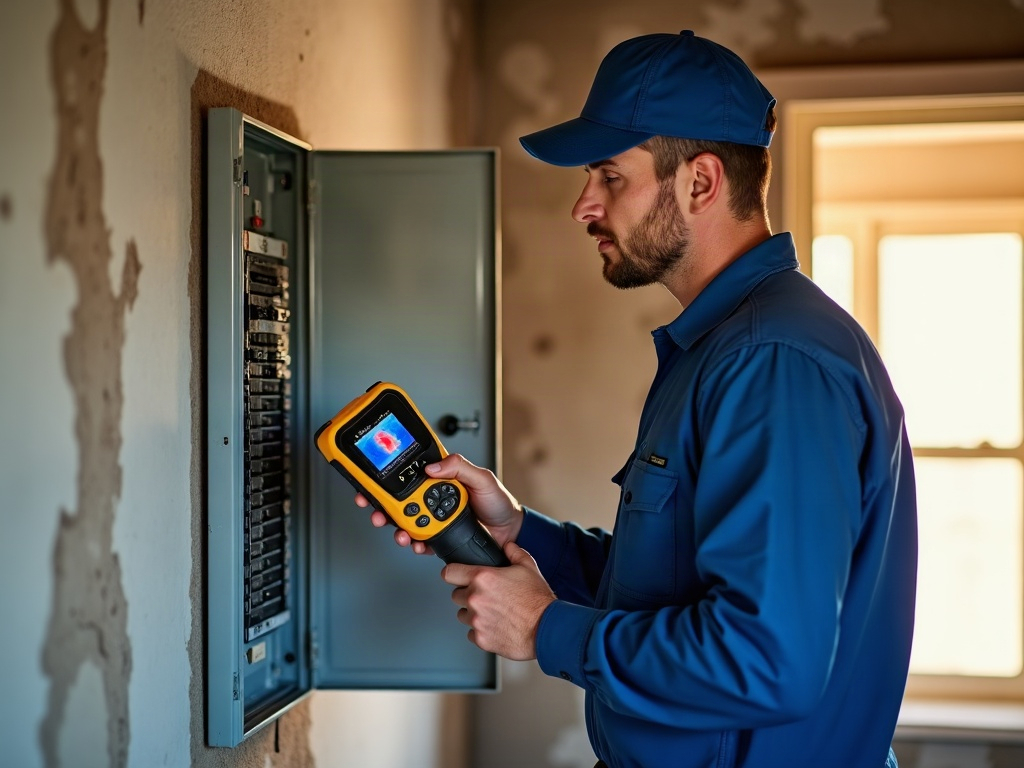
There’s a specific kind of unease that comes with watching a light flicker when nothing obvious changed — no storm, no breaker trip, no reason. You notice it once, tell yourself it’s the bulb, and then it happens again two days later. If you’re dealing with a Flickering Lights Electrical Problem in Scottsdale, AZ, the good news is that most causes fall into a short list. The not-so-good news: a couple of them are serious enough that you really don’t want to sit on it. Let’s work through this clearly.
Start With the Obvious (Before You Worry)
Not every flicker is a wiring emergency. A few common, low-stakes causes are worth checking first:
- Loose bulb. LED and CFL bulbs in can fixtures work themselves loose over time, especially with foot traffic above. Tighten it, swap it, see if it stops.
- Incompatible dimmer switch. Older dimmers were designed for incandescent bulbs. Run an LED through one and you’ll often get a slow, maddening flicker. This is a quick fix — matching your dimmers to your LED fixtures makes a real difference.
- The fixture itself. Old track lighting and ceiling fan light kits have internal wiring that degrades. If the flicker follows one specific fixture, start there.
If swapping the bulb and checking the dimmer solves it, great. If the flicker is still happening — or if it’s spreading to multiple lights — keep reading.
When the Refrigerator Runs and Your Lights Dim
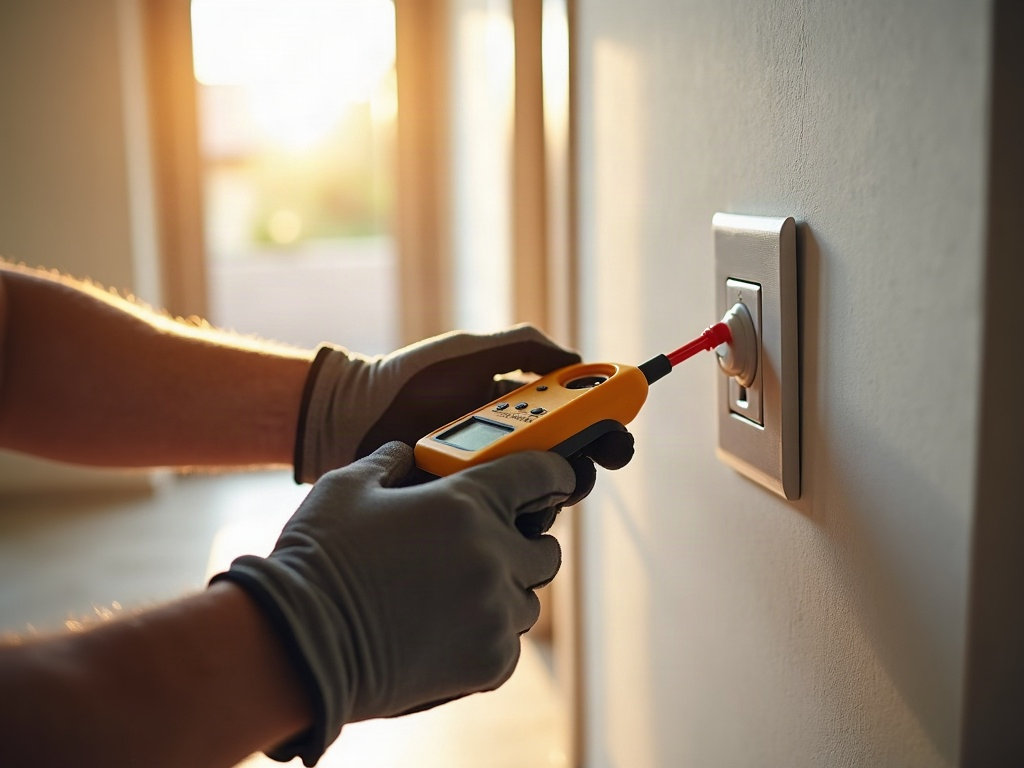
This is one of the most common complaints we hear from homeowners in Scottsdale, AZ: lights dim when refrigerator runs, or when the AC kicks on, or when the dishwasher starts its cycle. Large appliances draw a surge of current on startup — a refrigerator compressor, for example, can momentarily pull five to seven times its running amperage. If that momentary load causes a visible dip in your lights, it usually points to one of two things:
- The appliance and the lights are sharing a circuit that’s undersized for the combined load.
- Your panel is aging and struggling to regulate voltage under demand — especially relevant if your home’s panel is 25 or 30 years old. Understanding how long an electrical panel actually lasts puts that in real context.
An occasional, brief dim that recovers instantly is usually benign. A long dim, a flicker that continues after the appliance settles, or one that’s getting worse over time — that’s your panel or your wiring telling you something.
A flicker that’s getting worse over weeks isn’t a quirk — it’s a trend. Trends in electrical systems don’t reverse on their own.
The Causes That Actually Worry Electricians
Here’s where we get honest with you. There are a handful of flickering causes that aren’t just annoying — they’re legitimately dangerous.
- Loose neutral wire. A loose connection at the neutral can cause erratic voltage swings across an entire circuit or even across your panel. Lights might suddenly burn bright, then dim, in a way that feels random. This is a fire risk and a risk to your appliances.
- Loose wire at the breaker or outlet. Connections loosen over time, especially in homes that have settled or run high loads. A loose wire arcs — and arc faults are a leading cause of residential electrical fires. AFCI breakers exist specifically to catch this, and many older Scottsdale homes don’t have them.
- Aluminum wiring. Homes built in the late 1960s and 1970s — and there are plenty of them in the East Valley and parts of North Scottsdale — often used aluminum branch wiring. Aluminum expands and contracts differently than copper, and connections work loose over time. If you haven’t had this checked, read what Arizona insurance companies think about aluminum wiring and take it seriously.
- Failing panel or breaker. An aging breaker that’s struggling to hold a connection will let current fluctuate. Some panel brands are worse than others — if your home has a Zinsco or Federal Pacific panel, the flickering might just be the most visible symptom of a known-defective panel brand.
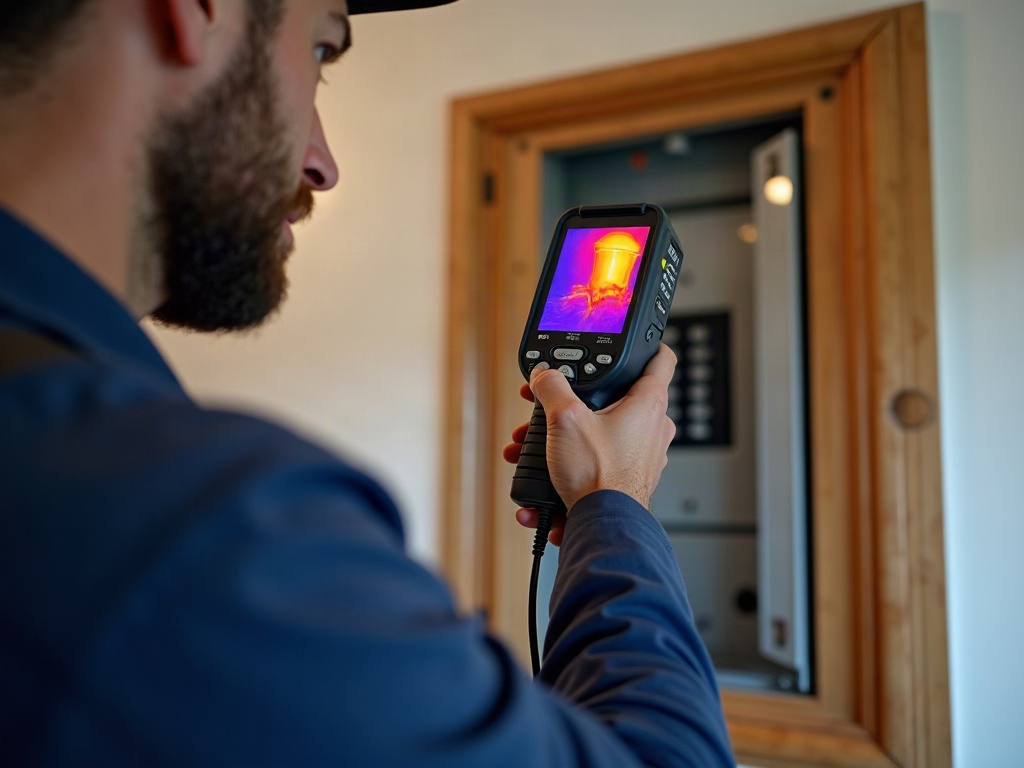
None of these are things you can diagnose with certainty by opening an outlet cover and looking. What you see with the naked eye rarely tells the whole story. That’s exactly why we use thermal imaging to find what a visual inspection misses — heat signatures at loose connections and failing components show up on camera before they show up as a fire.
What to Do Right Now
If the flicker is isolated to one fixture and you’ve confirmed it’s not the bulb or dimmer, keep an eye on it for 24–48 hours. If it worsens, spreads, or is accompanied by any of the following, stop waiting:
- A burning smell anywhere — outlet, panel, or inside the wall
- Discolored outlet covers or warm switch plates
- A breaker that trips repeatedly on the same circuit
- Flickering that happens across multiple rooms or the whole house
- A buzzing or crackling sound near switches or outlets
Those are not flicker symptoms — those are emergency symptoms. They deserve a call today, not a search next week.
For homeowners in Scottsdale, AZ and across Scottsdale, AZ, AZ — whether you’re near McCormick Ranch, Gainey Ranch, or up in DC Ranch — we’ve been diagnosing and fixing problems like this for over 20 years. FHR Electric is a licensed, insured Arizona electrical contractor with the tools and the track record to tell you exactly what’s happening and fix it correctly the first time. Call us at (602) 492-9999 and let’s get a licensed electrician in front of your panel before a flicker becomes something worse.