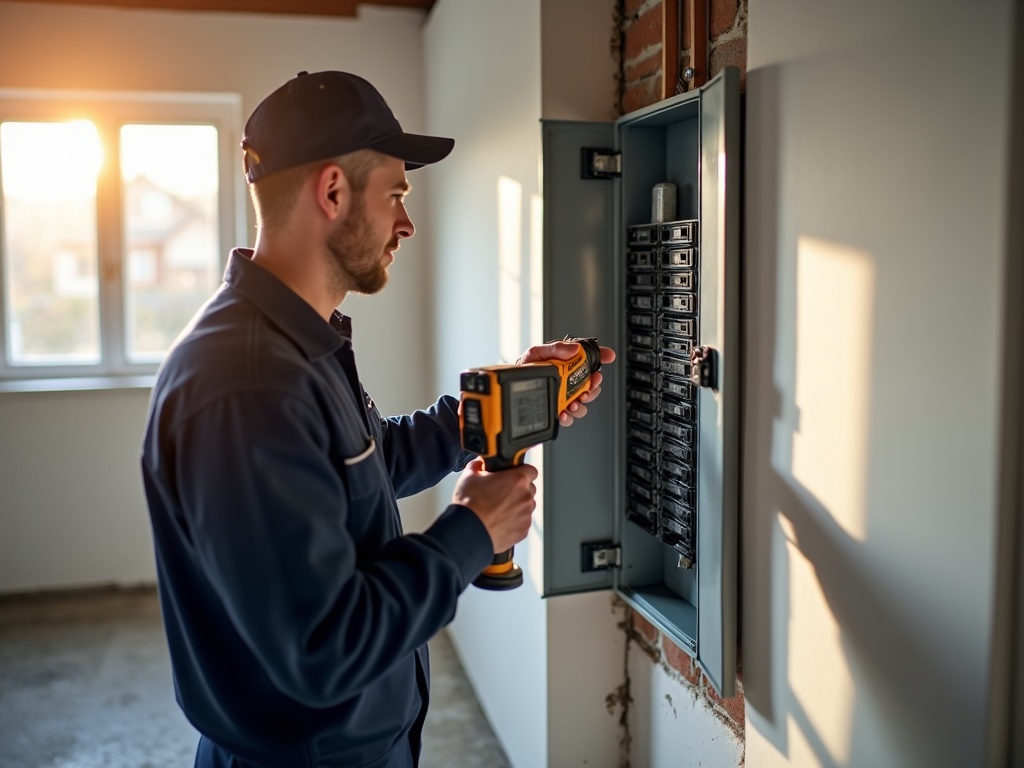
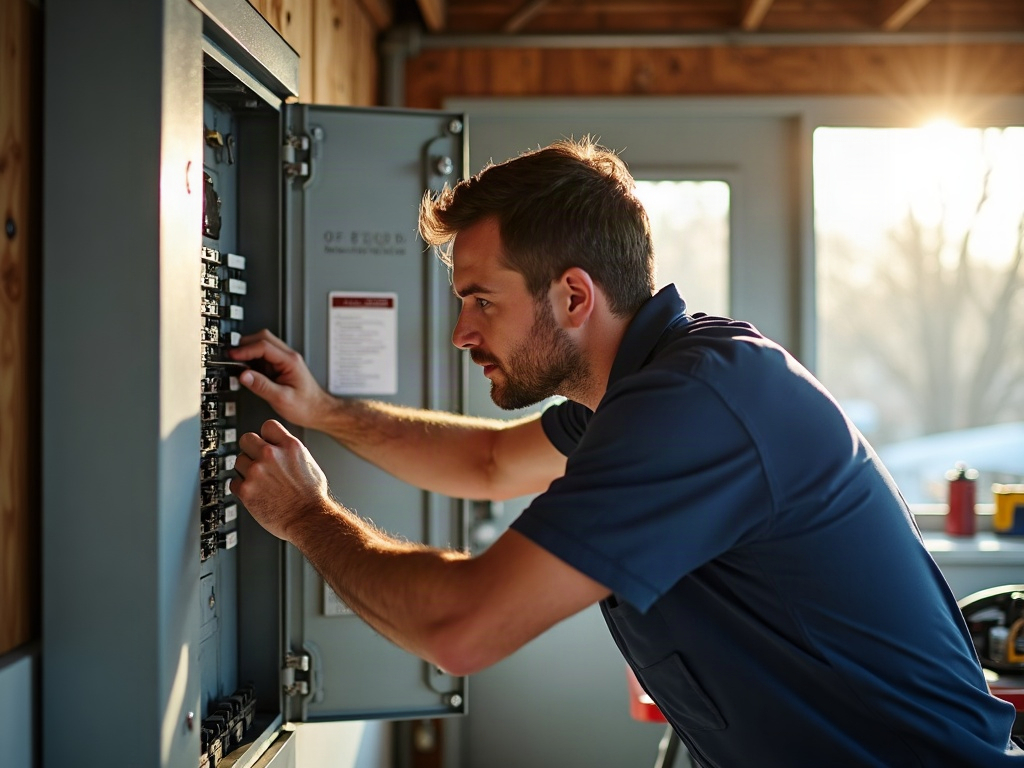
If you’ve ever had an electrician — or a home inspector — point at your panel and say “you’ve got a double-tap,” you may have nodded along and quietly wondered what that actually means. Understanding What Is a Double Tapped Breaker is worth a few minutes of your time, because this particular issue shows up constantly in older Scottsdale, AZ homes, and it’s one of those things that looks minor until it isn’t.
So What Exactly Is a Double-Tapped Breaker?
A circuit breaker is designed to accept exactly one wire — one conductor — at its terminal. A double-tapped breaker (sometimes called a double-tapped circuit breaker) is what happens when two wires get landed on that single terminal instead. Electricians call it a “double-tap” or “multi-tap.” Home inspectors flag it in nearly every aging panel they open.
It usually happens when a panel runs out of open slots. Instead of adding capacity, someone — often an unlicensed handyman or a rushed sub — just shoves a second wire onto an existing breaker and calls it a day. It’s a shortcut that creates a genuine hazard.
Why a Double-Tapped Circuit Breaker Is a Real Safety Risk
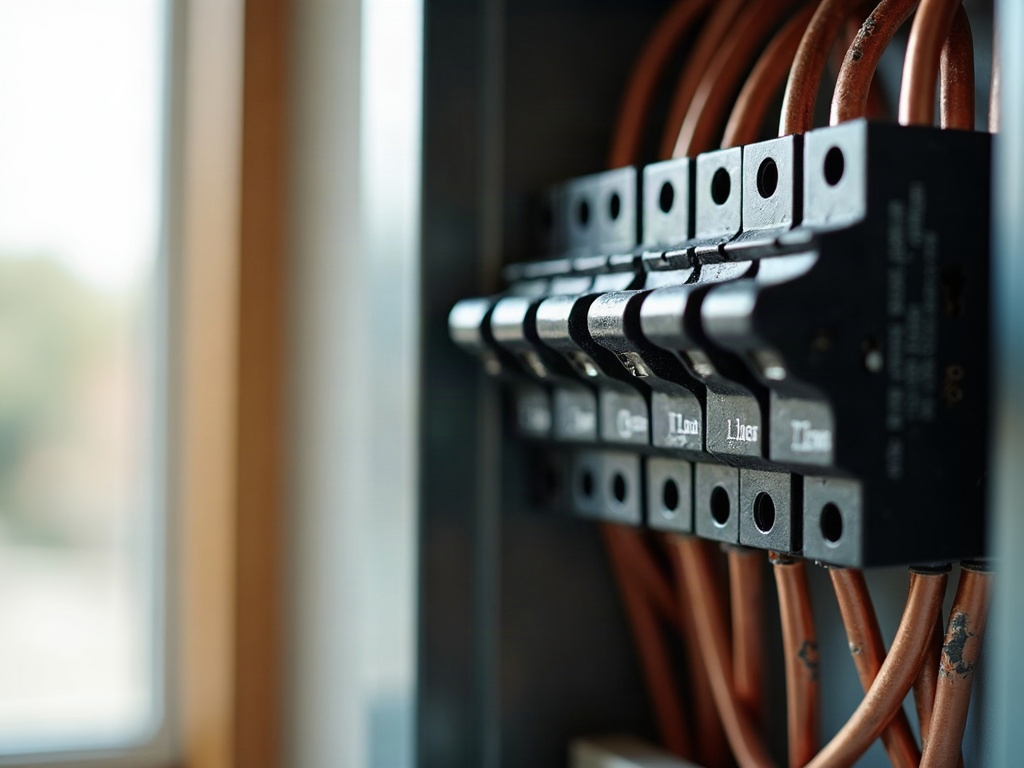
Here’s the core problem. When two conductors share a single terminal, the connection is almost never secure for both. One wire seats well; the other sits slightly loose. That loose connection generates resistance. Resistance generates heat. Heat — especially inside a panel that may already be 25 or 30 years old — is exactly how electrical fires start inside walls you can’t see.
Beyond the heat risk, there’s a tripping problem. A breaker is rated to protect a specific circuit at a specific load. When two circuits share one breaker, the breaker can’t reliably protect either of them. If Circuit A is pulling 15 amps and Circuit B adds another 10, the breaker may or may not trip — and if it doesn’t, both circuits run unprotected above their rated load.
The NFPA 70 National Electrical Code on conductor terminations is clear: unless a breaker is explicitly listed and labeled for multiple conductors, only one wire belongs at each terminal. Full stop.
There are a small number of breakers — certain tandem or “cheater” breakers from specific manufacturers — that are genuinely rated for two conductors. But they must be the correct breaker for that specific panel, and the panel’s directory must list them as approved. Compatibility matters. A breaker compatibility check isn’t just a formality; it’s what separates a code-compliant fix from another shortcut layered on top of the first one.
We see panel wiring problems like this regularly in homes near McCormick Ranch, around the DC Ranch corridor, and in older neighborhoods just off Shea Boulevard. The panels were sized for a 1980s or 1990s load — no EV charger, no variable-speed HVAC, no whole-home automation. Then decades of additions happened, and wires started doubling up.
What We Actually Do to Fix It
The right fix depends on what we find when we open the panel. Here’s the typical path:
- Full panel inspection first. We don’t just pull the one wire and call it fixed. We document every circuit, every terminal, and every breaker. If there’s one double-tap, there are often more — along with other panel wiring problems hiding in plain sight. Learn more about whether your panel is actually up to code beyond a visual glance.
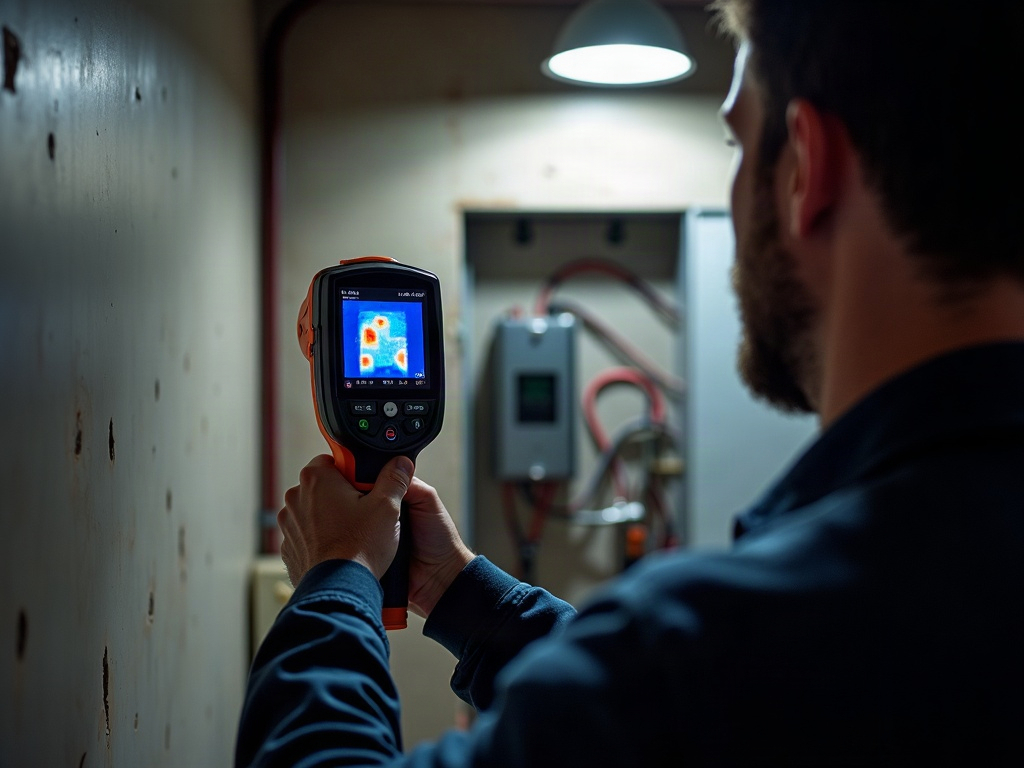
- Thermal imaging scan. This is where we separate ourselves from a quick-fix contractor. Our thermal camera shows heat signatures at loose terminations that look fine to the naked eye. It’s the same reason we write about what thermal imaging finds inside your walls that a visual inspection simply misses.
- Breaker compatibility check. We verify whether your panel has any approved tandem positions, or whether the only correct answer is adding a subpanel or upgrading the main panel entirely.
- Dedicated circuit where needed. High-draw appliances — ranges, HVAC units, EV chargers — should never share. We cover this in detail in our guide to dedicated circuits for big appliances and what actually needs its own breaker.
Cost for a straightforward double-tap repair — adding a proper breaker slot or installing a small subpanel — typically runs in the few-hundred-dollar range. A full panel upgrade, if the box itself is maxed out or aging, runs higher; we give straight-line pricing before any work begins, so there are no surprise invoices. If you want context on how long your electrical panel actually lasts, that’s a good place to start before deciding on a repair versus a replacement.
It also matters who does this work. The panel wiring problems home inspectors flag most often — double-taps included — are exactly what an unlicensed handyman tends to create, not fix. We’re a licensed, insured AZ contractor with over 20 years serving Scottsdale, AZ and greater Maricopa County. That history isn’t a marketing line; it’s what backs up the work when a permit inspection happens or a buyer’s inspector opens the panel during a resale.
Don’t Let It Sit
If a home inspector flagged a double-tap on your report, or if you’re remodeling and your contractor is pushing to “just add a wire” to an existing breaker — stop. That’s the moment to call a licensed electrician, not a moment to defer.
Picture the panel done right: every circuit properly terminated, every breaker rated for exactly what it’s protecting, and a thermal scan confirming nothing is running hot behind the cover. That’s what peace of mind actually looks like — not hoping for the best every time you flip a switch.