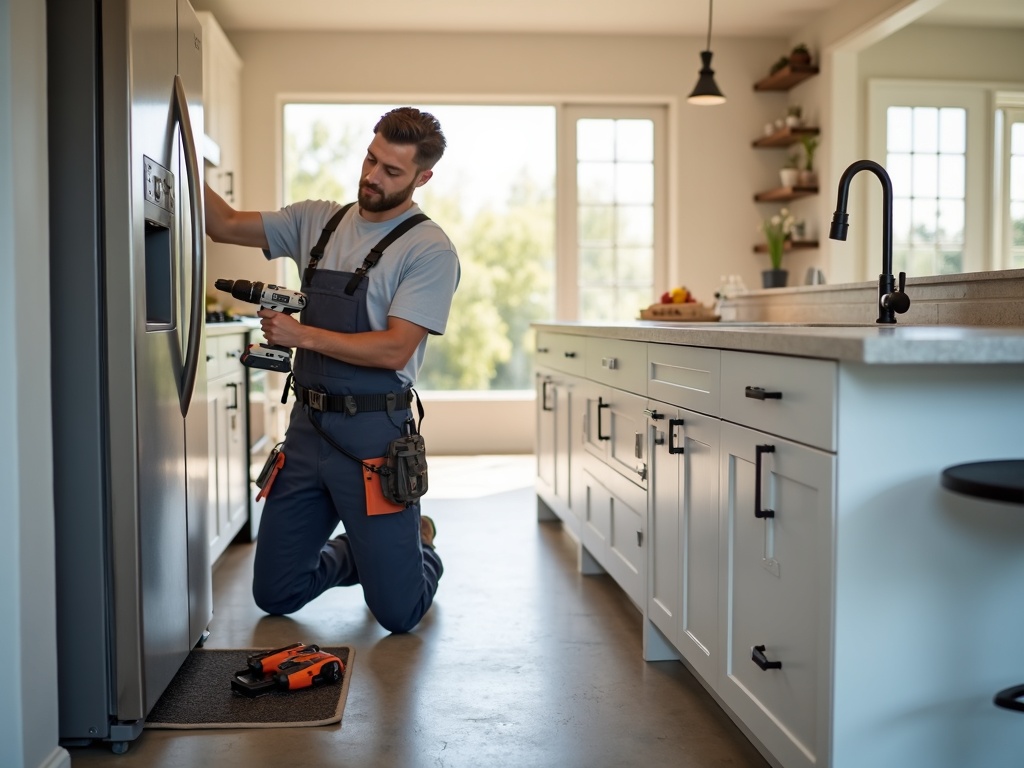
Here’s a scenario that plays out more than you’d think in Scottsdale, AZ: a homeowner adds a new French-door refrigerator to a freshly remodeled kitchen, plugs it in, and two weeks later the breaker starts tripping every few days. They reset it, it trips again. The fridge shares a circuit with the microwave and the toaster, and the whole stack is running on a 20-amp breaker that was marginal before any of those appliances arrived. That’s not a breaker problem — that’s an Refrigerator Dedicated Circuit Installation problem, and it has a clean, permanent fix. Understanding which appliances actually need their own dedicated circuit — and what the wiring job involves — is the kind of knowledge that keeps a modern home running the way you expect it to.
Why Dedicated Circuits Exist (and What Happens Without Them)
A dedicated circuit does one thing: it reserves the full ampacity of a single breaker for a single appliance or load. No shared outlets, no competing draws. The National Electrical Code requires dedicated circuits for specific high-load appliances precisely because shared circuits can’t consistently handle sustained current draw without overheating conductors, nuisance tripping, or — in the worst case — arc faults inside the wall. If you’ve ever noticed your lights dimming the moment the microwave kicks on, that’s voltage drop telling you the circuit is undersized for the load it’s carrying. Annoying at best, genuinely dangerous at worst. You can read more on what a breaker that won’t stop tripping is actually signaling in our post on why your breaker keeps tripping.
Appliances That Require Their Own Circuit
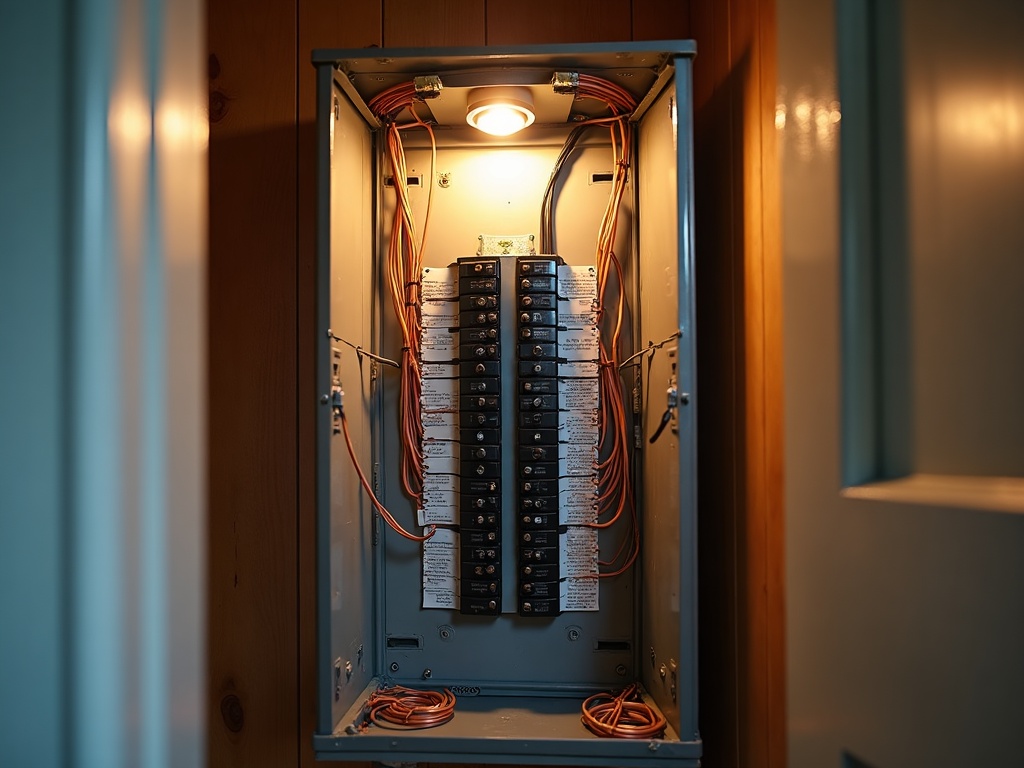
This isn’t a complete inventory of everything that could benefit from a dedicated circuit — it’s a list of the loads where the code requirement is clear and where we see the most real-world problems in Scottsdale, AZ homes.
- Refrigerators — Code and manufacturer specs both call for a dedicated 15- or 20-amp, 120V circuit. Modern refrigerators with ice makers, water dispensers, and compressors that cycle frequently draw more than people expect. A proper Refrigerator Dedicated Circuit Installation means the fridge never competes with anything else on that run.
- Microwaves (built-in or over-range) — A dedicated circuit for microwave installations is required when the unit is hardwired or permanently installed. Even countertop models benefit from a dedicated 20-amp circuit given their peak draw.
- Dishwashers — A dedicated 15- or 20-amp circuit, typically run under the sink. Shared circuits cause nuisance trips mid-cycle.
- Laundry room electrical upgrades — Electric dryers need a dedicated 240V, 30-amp circuit. Washers need their own 20-amp, 120V circuit. A laundry room electrical upgrade done correctly means two separate dedicated circuits — one for each appliance.
- Tankless water heaters — Tankless water heater circuit installation is one of the most demanding residential jobs we do. Electric tankless units can draw 120–150 amps at peak; that often means multiple 240V circuits and — critically — a panel capacity check before anything gets wired. If your panel is already strained, see our breakdown on whether 200-amp service is still enough for a modern Arizona home.
- Whole house fans — A whole house fan dedicated circuit is especially relevant here in Scottsdale, AZ and across Maricopa County, where homeowners run these fans hard during the shoulder seasons to avoid early AC use. Larger units (2–5 tons of CFM) require a dedicated 240V circuit.
- HVAC systems, EV chargers, ranges, and ovens — All require dedicated circuits sized to their specific nameplate ampacity. These are non-negotiable.
A dedicated circuit isn’t an upgrade — it’s the baseline. Every major appliance your home relies on deserves its own protected path back to the panel.
What the Install Actually Involves
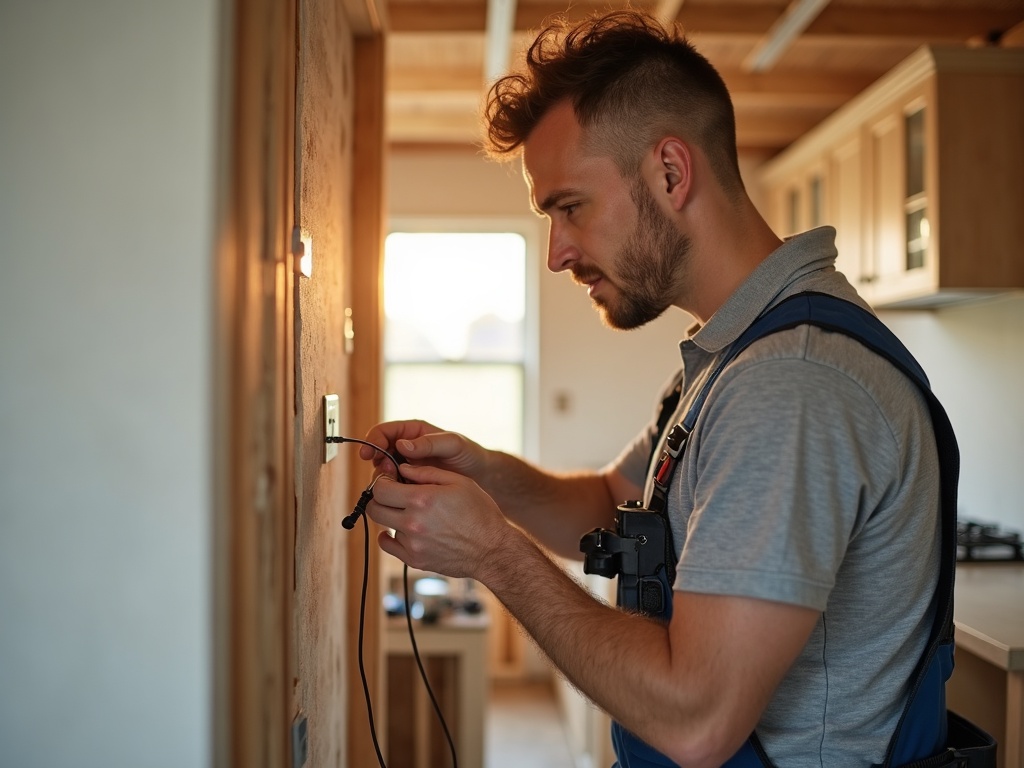
The scope varies by appliance and by how your panel is currently configured. Here’s what we typically work through on a dedicated circuit installation in Scottsdale, AZ:
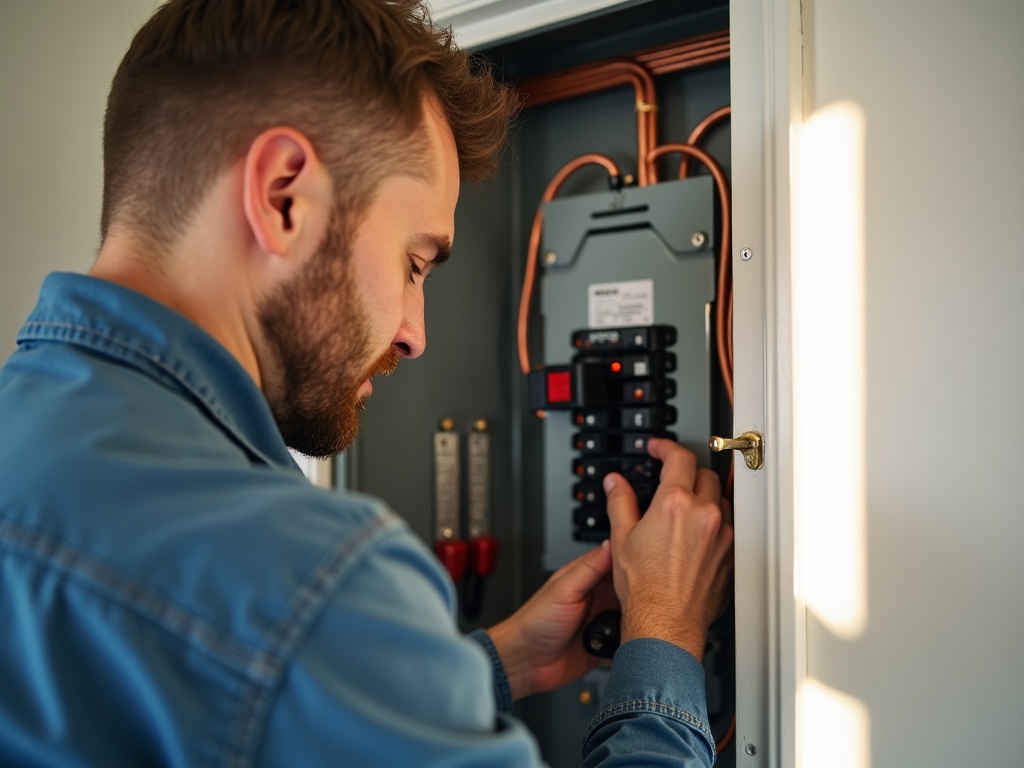
- Load assessment — We verify your panel has available capacity before pulling a single wire. An aging 200-amp panel with a dozen double-tapped breakers may need an upgrade first.
- Wire sizing and routing — Conductor gauge is matched to the circuit’s ampacity and run length. A 30-amp dryer circuit needs 10-AWG copper; a 50-amp range circuit needs 6-AWG. No shortcuts.
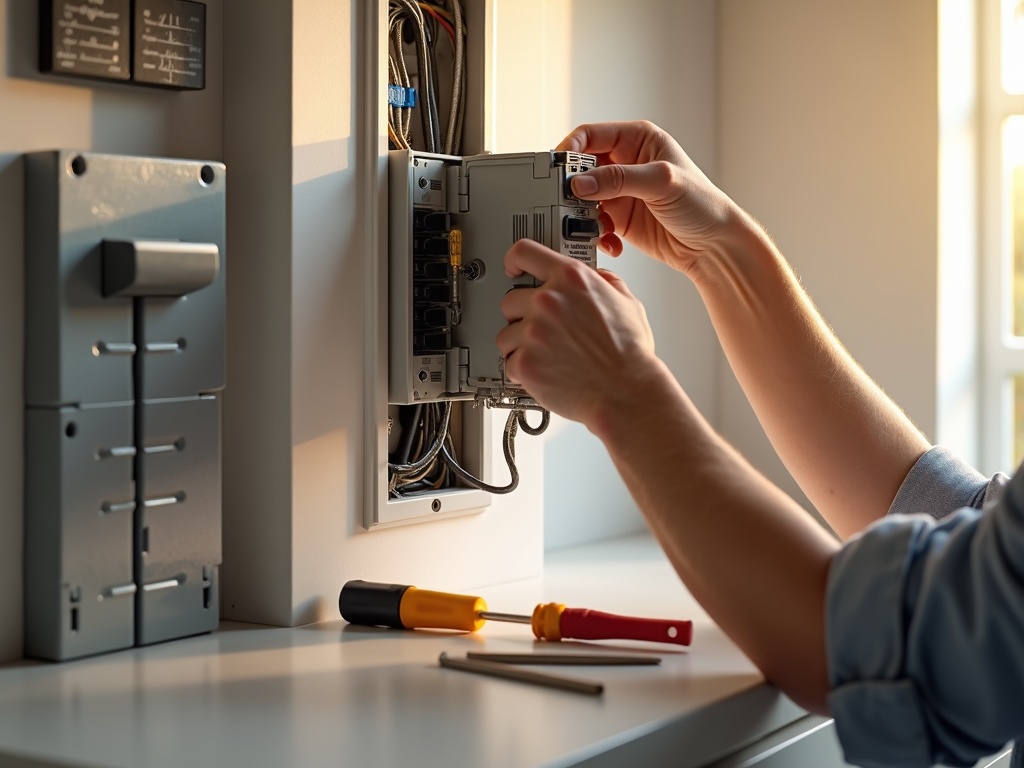
- Breaker installation — A correctly sized, properly rated breaker is installed in the panel. We don’t reuse old breakers on new circuits.
- Permit and inspection — Dedicated circuit work requires a permit in most AZ jurisdictions. We pull it, we schedule the inspection, and we handle the paperwork. You don’t want unlicensed circuit work hidden in your walls when you go to sell.
- Thermal imaging verification — We use thermal imaging to confirm no hot spots at connections before the job is closed out. It’s one of the things that separates a professional installation from a handyman special.
If you’re in the middle of a kitchen remodel and haven’t finalized the electrical scope yet, our guide on kitchen remodel electrical circuits walks through exactly what needs to be roughed in before the countertops go down. Getting this right before the walls close is the move — retrofitting afterward costs significantly more.
For cost context: a single dedicated circuit typically runs in the range of a few hundred dollars, depending on panel proximity, wire run length, and permit fees. A tankless water heater circuit installation or a laundry room electrical upgrade involving multiple circuits will be priced higher — and if the panel needs work first, that’s a separate line item. The National Electrical Code (NFPA 70) sets the minimum requirements; AZ may have local amendments on top of that.
Get It Done Once, Done Right
If you’re a homeowner near Old Town Scottsdale, North Scottsdale, or anywhere across Maricopa County who’s been resetting the same breaker for months — or you’re remodeling and want to get the electrical right before the drywall goes up — this is exactly the kind of work we do every day. FHR Electric is a licensed, insured Arizona contractor with over 20 years in the Phoenix metro. We bring thermal imaging, full permitting, and a team that’s accountable after the job is done — not a one-call operator who vanishes when something fails an inspection. Call FHR Electric at (602) 492-9999 and let’s talk through what your home actually needs.