
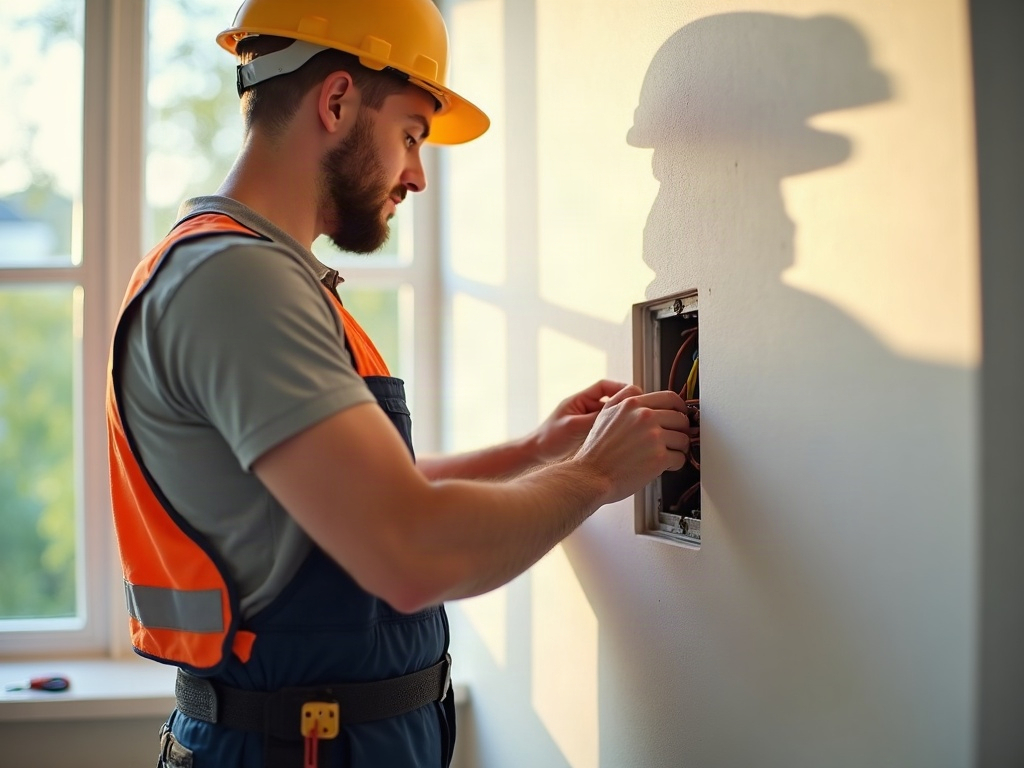
So you want to tell your house to turn the lights off and have it actually listen. Totally reasonable. Voice Control Lighting Wiring has become one of the most requested upgrades we see in Scottsdale, AZ homes — and it genuinely is a satisfying setup once it’s done right. The part nobody puts in the product video, though, is what happens inside the wall before the smart switch ever sees power. That’s where we live, and that’s what this post covers.
The Neutral Wire Problem Nobody Mentions in the Box
Most smart switches — Lutron Caseta, Leviton Decora, the ones that work with Alexa and Google Home — need a neutral wire to hold a low-voltage standby current. Without it, the switch can’t stay “awake” to receive voice commands. The catch: a surprising number of Scottsdale, AZ homes built in the 1980s and 1990s were wired with switch loops that deliberately omit the neutral at the switch box. The neutral sits back at the fixture, not at the switch. That’s code-legal for a standard switch. For a smart switch, it’s a starting-point problem.
When we open a box and find a two-wire switch loop, the options are: run a new three-wire cable from the panel to the switch location, use a smart switch engineered to work without a neutral (Lutron Caseta with a pro bridge does this well), or pull a neutral from a nearby junction. Each path has trade-offs in cost, compatibility, and how cleanly the work can be done without opening drywall. A handyman quoting you $50 to “just swap the switch” is not thinking about any of this. Expect a properly permitted neutral-wire retrofit to run anywhere from $150 to $350+ per switch location depending on wall construction and access.
Voice Control Lighting Wiring: Box Depth, Load Type, and the Details That Kill a Clean Install
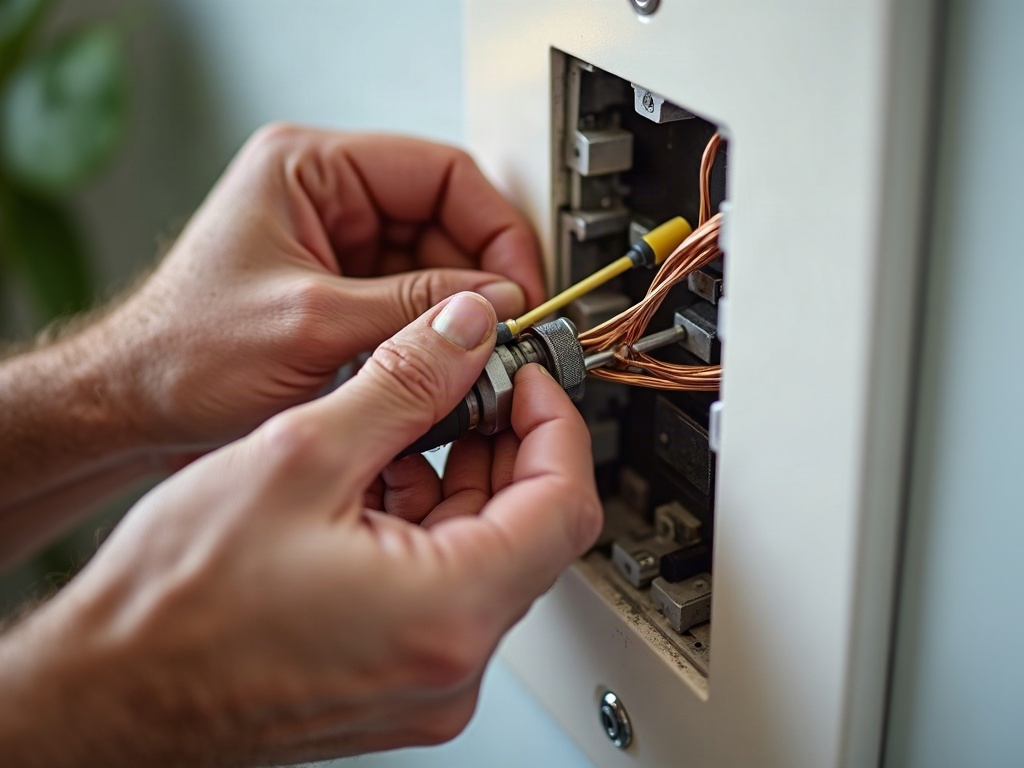
Smart switches are physically deeper than the standard rocker they replace. Single-gang boxes in older construction are sometimes only 2 inches deep. A smart switch with its electronics and wiring terminations needs closer to 2.75 inches. Forcing one into an undersized box isn’t just ugly — it can compress wire connections and create a heat point inside the wall. Thermal imaging finds exactly those kinds of hidden heat signatures that a visual check will completely miss.
Load compatibility is the other variable. Most smart dimmers are rated for LED and incandescent loads but carry a minimum load threshold — typically around 25 watts. Swap one into a circuit with a single 5-watt LED bulb and you may get flickering, buzzing, or random cycling. It’s not a defective product; it’s a load mismatch. The fix is either a compatible dimmer with a lower minimum rating or a load-correction accessory. Both require knowing what you’re looking at before you buy anything.
“The switch is the last five minutes of a two-hour job. Everything before it — the wire, the box, the circuit — is what determines whether the install actually works.”
What a Licensed Electrician Checks Before Any Smart Switch Goes In
- Neutral wire presence at the switch box — or a tested workaround
- Gang box depth and whether a retrofit extension ring is needed
- Load type and wattage on the circuit (LED minimum-load compatibility)
- 3-way and 4-way configurations — smart setups need matching auxiliary switches, not standard travelers
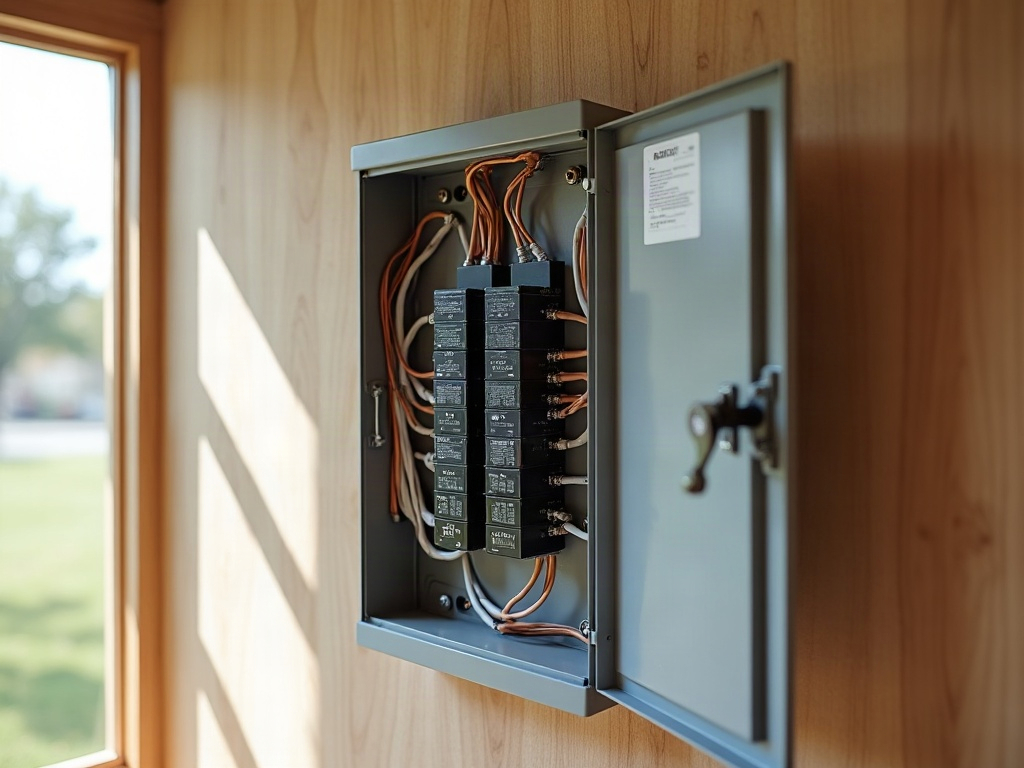
- Panel capacity before adding new circuits
- AFCI protection requirements — a permitted smart switch install can trigger the AFCI requirement on bedroom and living-area circuits under current code
When the Smart Lighting Conversation Leads to the Panel
Here’s something we see more than you’d expect: a homeowner in Scottsdale, AZ wants smart switches throughout their home — ten to fifteen locations — and when we open the panel, it’s already running close to capacity. If your panel is original to a home built before 2000, read through whether to repair or replace your electrical panel before the smart lighting conversation goes any further. A panel that’s already double-tapped or running hot doesn’t get more stable because you added smart switches — it gets busier.
If you’re in Scottsdale, AZ or anywhere across AZ and you want your smart lighting install done without surprises, call Lutron Caseta-compatible wiring handled by a licensed electrician who’s seen every variation. Reach out to FHR Electric at (602) 492-9999 and we’ll tell you upfront what your walls actually need — no guesswork, no scope creep, no second trips.

