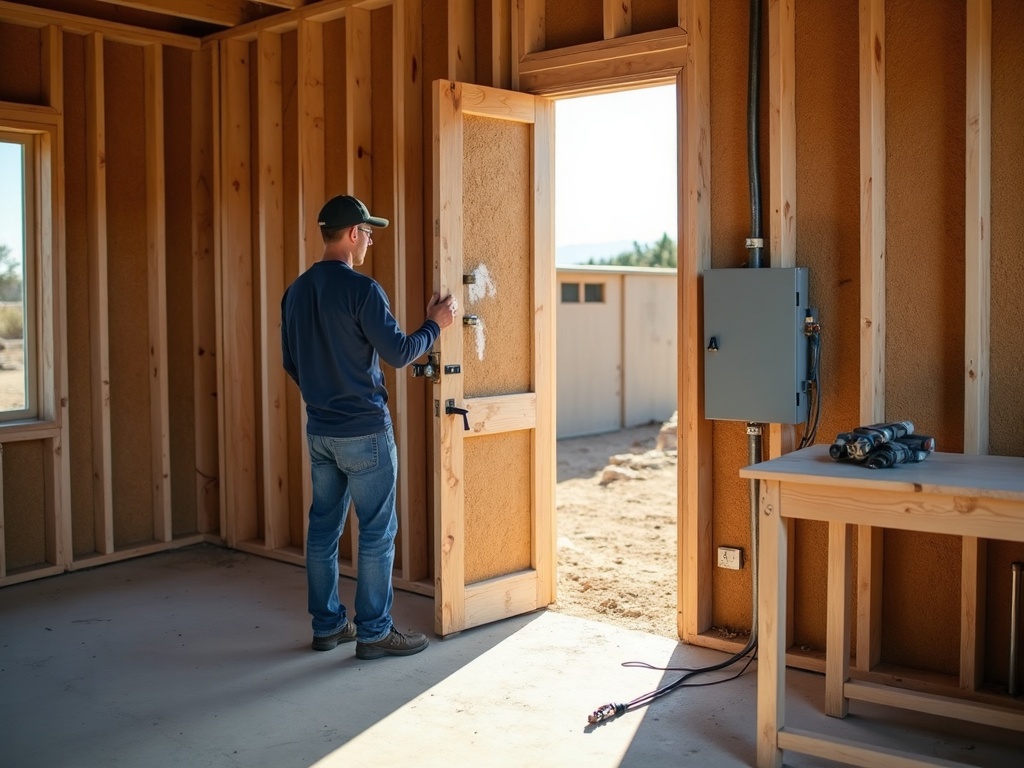
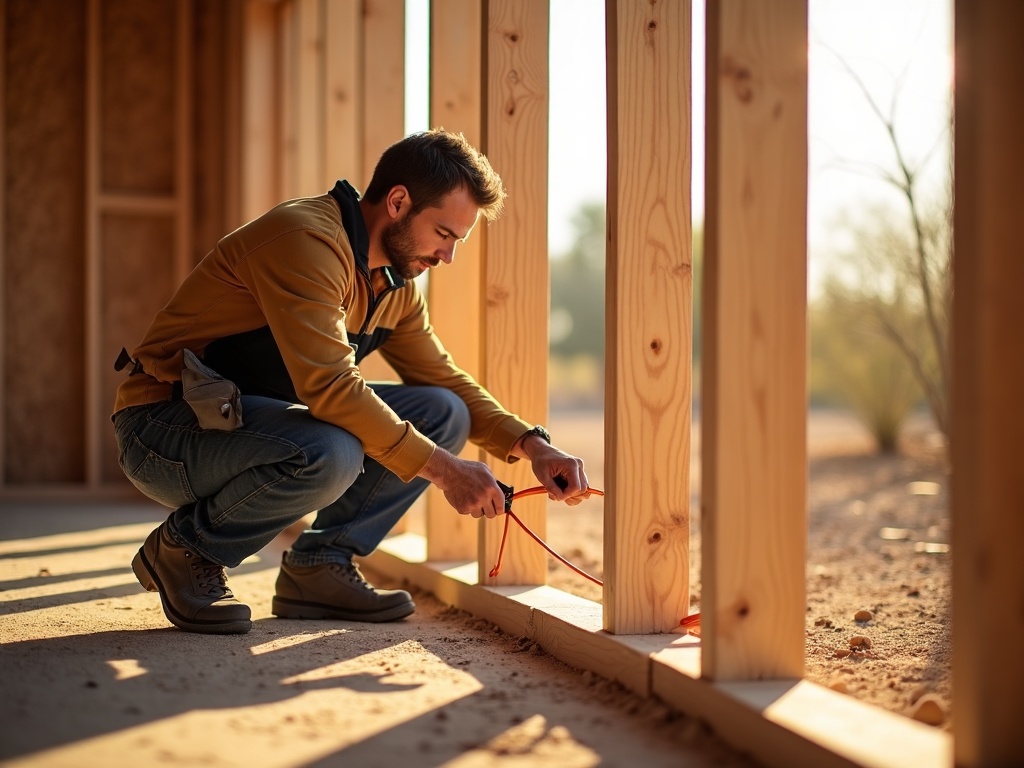
Most homeowners never think about what’s behind their walls — until something goes wrong. If you’re building new or doing a major addition in Scottsdale, AZ, understanding Rough in Electrical Wiring is one of the smartest things you can do before drywall covers everything up for good. Done right, it’s invisible and bulletproof. Done wrong, it’s a fire hazard you won’t discover until it’s too late. Here’s what actually happens at rough-in stage, and why the decisions made during those few days shape your home’s electrical foundation for decades.
What “Rough-In” Actually Means
Rough-in is the phase after framing is up but before insulation and drywall seal the walls. It’s the window when electricians have full, unobstructed access to every stud bay, ceiling joist, and floor cavity. Everything gets run during this phase — branch circuits, panel feeders, conduit, low-voltage wiring, and the boxes that will eventually hold your outlets, switches, and fixtures.
Think of it as laying the nervous system of the house. Once the drywall goes up, that system is locked in. Changing it later means opening walls — expensive, disruptive, and avoidable with good planning upfront.
This is exactly why pre-construction electrical planning matters so much. The layout decisions you make before a single wire is pulled directly determine how functional, safe, and code-compliant your home will be. Skipping that conversation — or having it with someone underqualified — is where homeowners get burned.
The Electrical Rough-In Process, Step by Step
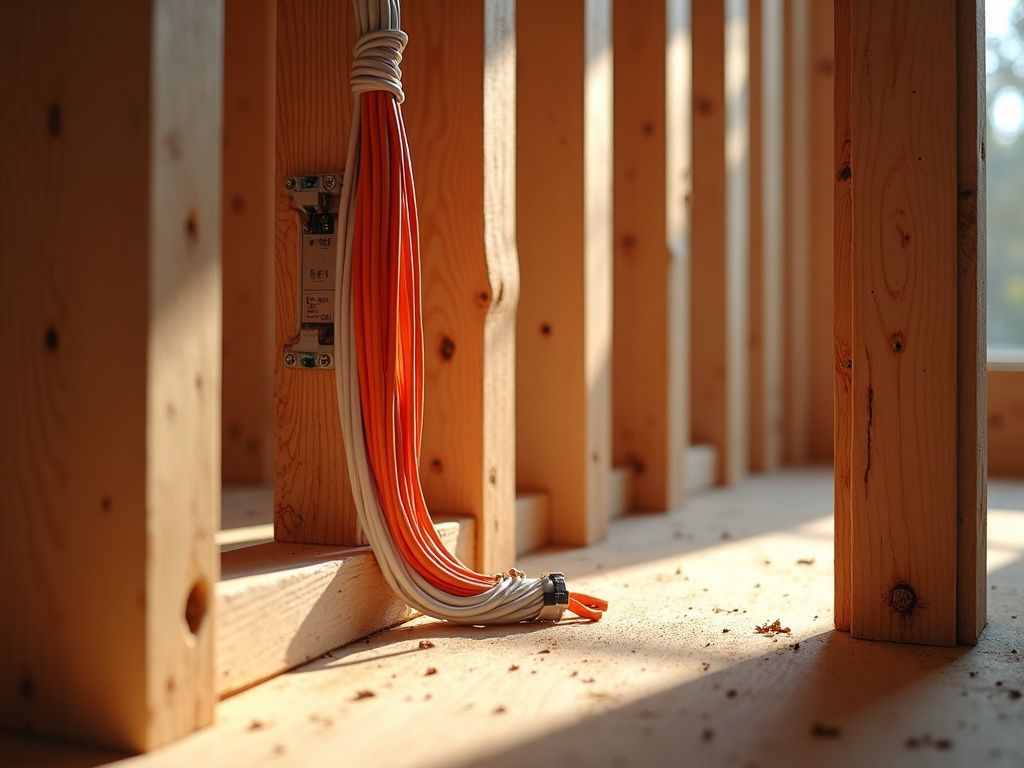
Here’s what a proper rough-in sequence looks like on a new construction or major addition project in Scottsdale, AZ:
- Load calculation and circuit layout. Before the first wire is pulled, a licensed electrician calculates the home’s total electrical load — HVAC, kitchen appliances, EV charger, home office, outdoor lighting — and maps dedicated circuits accordingly. If you’re planning a Level 2 EV charger, that 50-amp dedicated circuit needs to be roughed in now, not retrofitted later.
- Panel location and service sizing. The main panel position is set, and service amperage is confirmed. In AZ, modern homes routinely need 200-amp service at minimum. If you’re building large or planning a whole-home generator, you may need to go bigger. Read our honest breakdown of whether 200-amp service is still enough for homes with today’s loads.
- Drilling and notching framing members. Wire runs through bored holes in studs and joists. Arizona’s Title 24 and NEC requirements govern hole placement — too close to the edge and a nail plate is required to protect the wire from fasteners.
- Pulling wire and setting boxes. Cable is run from the panel location to each device box. Box heights follow code: receptacles, switches, and specialty circuits all land at specific heights so they’re accessible and compliant once trim is applied.
- Inspection. Before drywall, a city or county inspector verifies the rough-in. If anything is wrong, it gets corrected here — not discovered two years later during a real estate transaction.
The rough-in inspection is your last free chance to catch a mistake before it lives inside your walls forever. Don’t skip it, and don’t work with anyone who tries to.
What the Rough in Electrical Wiring Process Determines Long-Term
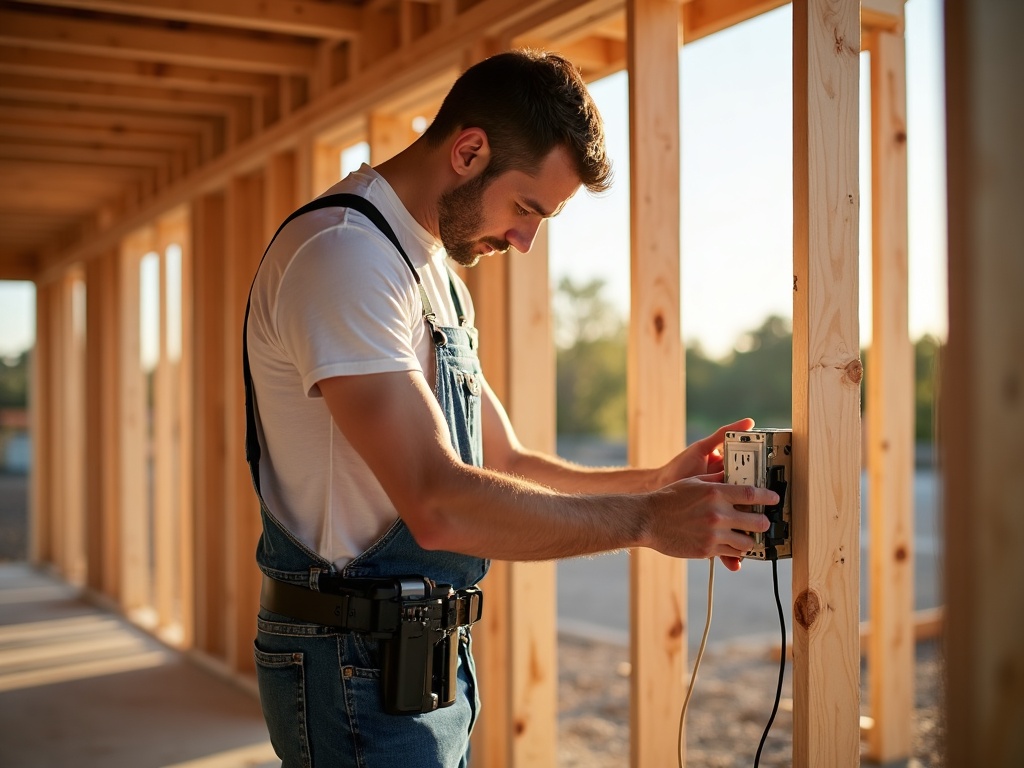
The choices locked in at rough-in echo for the life of the building. Here are the decisions that matter most:
- Circuit count and placement. A kitchen roughed in with only two circuits in 1990 is now fighting a 6-burner range, a built-in espresso machine, and a wine fridge. Rough in enough circuits for your actual lifestyle — not a minimum-code guess.
- Wire gauge. 14-gauge wire on a 20-amp circuit is a code violation. It also runs hotter, trips breakers unpredictably, and creates the kind of hidden hazard that keeps homeowners up at night.
- Low-voltage pathways. Data, security cameras, structured wiring, and smart-home devices all need conduit or dedicated chase space. If it isn’t planned at rough-in, you’re fishing wire through finished walls later — or going wireless when wired would have been better.
- Outdoor and pool circuits. In North Scottsdale and Paradise Valley, outdoor kitchens, pool equipment, and landscape lighting circuits all need to originate at the panel during rough-in. GFCI protection, weatherproof boxes, and burial-depth requirements vary by circuit type.
If you’re doing a home addition rather than full new construction, the rough-in scope is similar — but it integrates with an existing panel and service. We cover that in detail in our guide to electrical rough-in for a home addition.
Why This Is Not a Job for the Lowest Bid
We hear versions of the same story often: a homeowner in Scottsdale, AZ hired someone cheap for a remodel, the rough-in passed a lax inspection (or skipped one entirely), and two years later they’re dealing with a breaker that won’t stop tripping or outlets that spark. The fix costs more than doing it right the first time ever would have.
Rough-in work is invisible once the walls close. That’s exactly why the person doing it needs to be licensed, accountable, and experienced enough to self-police. In AZ, you can verify a contractor’s license through the Arizona Registrar of Contractors in under a minute — and you should, every time.
At FHR Electric, we’re the electrical division of FHR Construction — a licensed and insured Arizona contractor with over 20 years in the Phoenix metro. We pull permits, schedule inspections, and stand behind every circuit we run. If you’re building or remodeling anywhere in Scottsdale, AZ or across Maricopa County, call us at (602) 492-9999 to talk through your project before framing is done. Getting us in early is always the right move — once drywall goes up, the window closes.