Here’s something most people don’t think about until a breaker trips at 11 p.m. or they catch a faint burning smell near an outlet: most home fires don’t start because someone left a candle burning. They start inside the walls. An Afci Whole Home Upgrade is one of the most effective ways to close that gap — and if your home was built or remodeled before 2008, there’s a decent chance you don’t have one. Let’s walk through what’s actually happening, what the code says, and why this matters especially for homes in Scottsdale, AZ and across the Scottsdale, AZ area.
What an Arc Fault Actually Is — and Why It’s Sneaky
A standard breaker trips when there’s too much current — an overload or a short. That’s the scenario most people picture. But an arc fault is different. It’s an unintended electrical discharge that jumps between conductors or through damaged insulation. The current involved can be relatively low — well below what a standard breaker notices — but the heat generated at the arc point can exceed 10,000°F.
What causes them? More than you’d expect:
- Wiring that’s been nicked, pinched, or stapled too tightly during a remodel or rough-in
- Loose wire connections at outlets, switches, or the panel itself
- Old insulation that’s cracked or become brittle — common in homes here that have seen decades of Arizona heat cycling
- Pest damage to conductors inside walls (yes, this is a real issue — rodents chewing through wiring can start fires)
- Cords under rugs or repeatedly bent at a tight angle
The arc fault circuit interrupter — AFCI — monitors the waveform of current in the circuit. It’s looking for the specific signature of an arc discharge and trips in milliseconds, before heat builds up enough to ignite surrounding material. A standard breaker simply can’t do that job.
AFCI Code Requirements in Arizona: What’s Actually Required
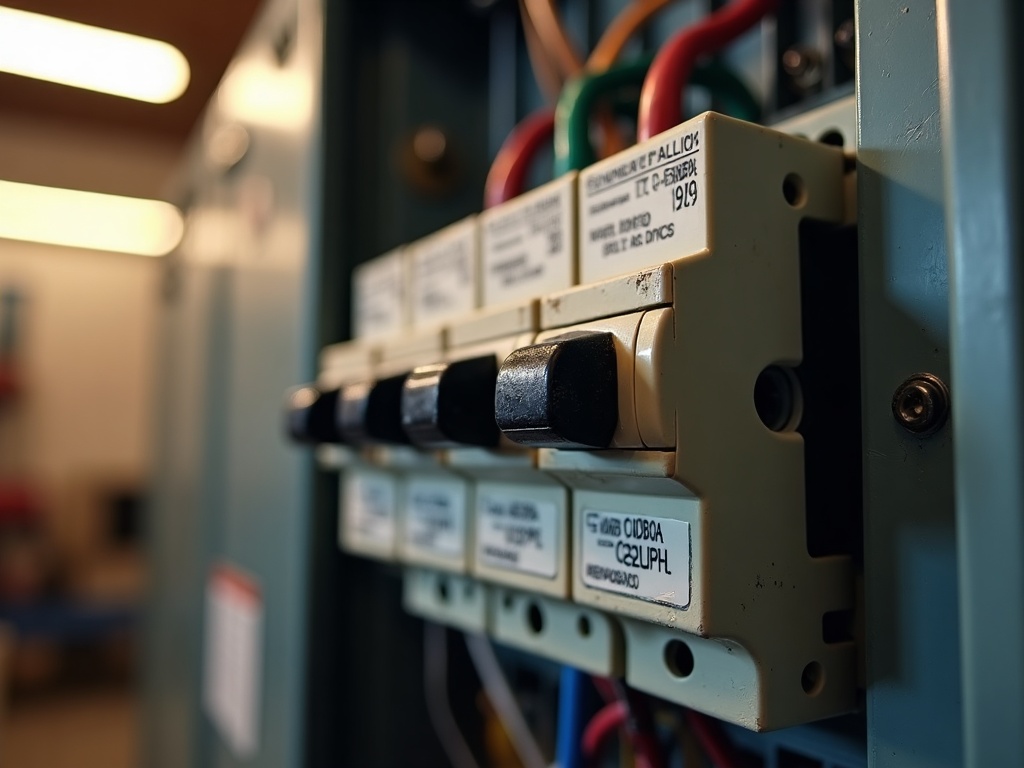
Arizona follows the National Electrical Code, and the AFCI requirements have expanded significantly in each code cycle. Under the 2020 NEC — which AZ has adopted — AFCI protection is required for virtually all 120-volt, 15- and 20-amp branch circuits in a home. That covers bedrooms, living rooms, hallways, closets, kitchens, and yes — bathroom arc fault protection is now part of the picture too.
If you’re pulling a permit for a remodel, an addition, or a panel upgrade in Scottsdale, AZ, inspectors will check. A failed inspection on a kitchen remodel or a home addition because AFCI breakers weren’t installed is exactly the kind of surprise that derails a project timeline and budget. The National Fire Protection Association’s NEC resources outline exactly which circuits fall under the requirement — worth a read if you want the full technical picture.
An AFCI breaker doesn’t just protect the circuit — it protects everything behind the drywall that nobody can see until it’s too late.
For homeowners with older panels — the kind where you’re not totally sure what year it was last touched — it’s worth knowing what’s actually in there. We’ve covered how long an electrical panel actually lasts and what the warning signs look like when it’s past its service life.
What an Afci Whole Home Upgrade Looks Like in Practice
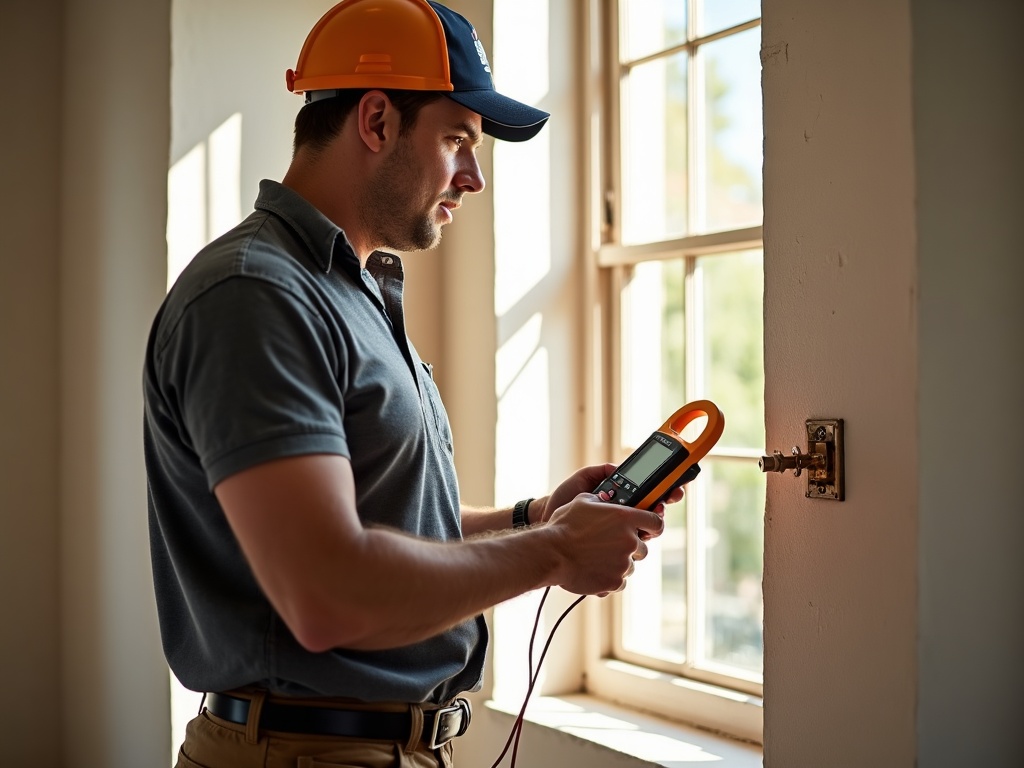
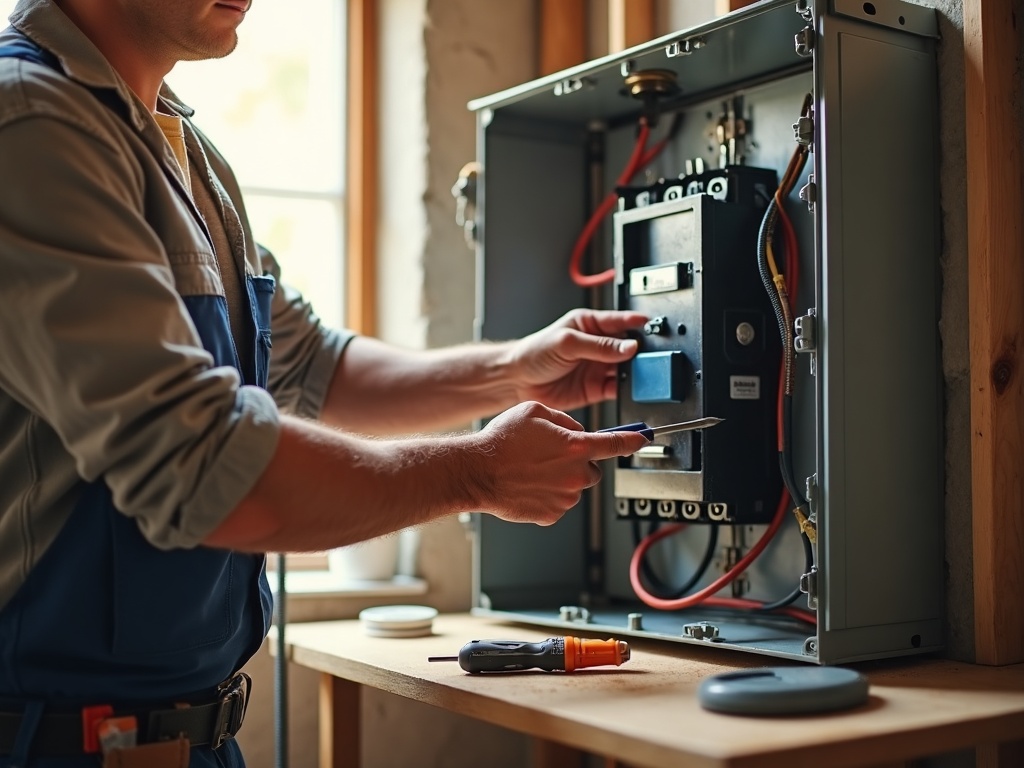
AFCI protection can be added at the breaker level — a combination AFCI breaker replaces a standard breaker in your panel and protects the entire circuit downstream. There are also outlet-level AFCI devices for situations where running new wire to the panel isn’t practical, though breaker-level protection is generally more thorough.
For a whole-home upgrade, here’s what the process typically looks like:
- Panel assessment first. We evaluate your panel’s brand, age, and condition. If you’re working with a flagged panel brand like Zinsco or Federal Pacific, AFCI upgrades happen alongside — not instead of — a panel replacement.
- Circuit inventory. We map which circuits currently lack protection and confirm they’re sized correctly for AFCI breakers.
- AFCI breaker installation, circuit by circuit. Each combination AFCI breaker is installed and tested. Some older wiring configurations require troubleshooting — nuisance trips can happen if there’s existing wiring degradation that the AFCI is now detecting for the first time (which is actually useful information, not a problem with the breaker).
- Verification and documentation. Everything is tested and documented. For permitted work, we pull the permit and schedule inspection.
Cost for AFCI breaker installation varies based on panel size, number of circuits, and whether any existing wiring issues surface during the process. Rough ballpark for a typical Scottsdale home: a few hundred dollars for a handful of circuits, scaling upward for a full 20–30 circuit upgrade. We quote straight and flat — no scope creep surprises.
If you’re mid-remodel, this is also an ideal time to revisit whether your service is sized correctly for modern loads. Our post on whether 200-amp service is still enough for a modern Arizona home is a good parallel read — especially if you’re adding an EV charger or a second HVAC unit.
Why This Matters More in Older Scottsdale Homes
A lot of the homes in Scottsdale, AZ — particularly in neighborhoods north of Shea Boulevard, around McCormick Ranch, and parts of Old Town Scottsdale — were built in the 1970s through 1990s. The wiring in those homes has been through a lot: decades of heat cycling, multiple owner renovations, possible pest activity, and the gradual brittling of older insulation types. None of that wiring was ever installed with AFCI protection in mind.
That doesn’t make your home a disaster — but it does mean the hidden-arc-fault risk is higher than in a newer build, and the case for a whole-home AFCI upgrade is stronger. If you’ve ever had a breaker that trips without an obvious reason, or noticed outlets that feel warm, that’s worth taking seriously. A panel health check is a low-stakes starting point.
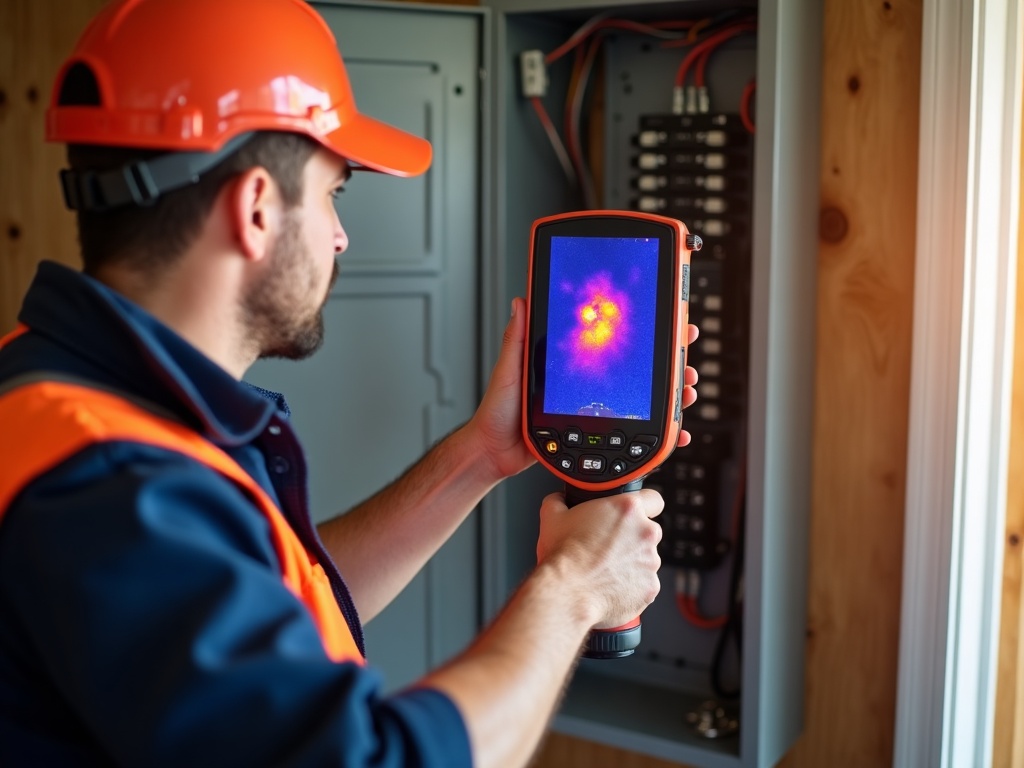
We’ve been working in the Scottsdale, AZ area for over 20 years. FHR Electric brings licensed, insured crews with the kind of diagnostic depth — including thermal imaging — that lets us actually verify the work is right, not just assume it. If you want this done once and done properly, call us at (602) 492-9999 and let’s start with a real conversation about what your home needs.