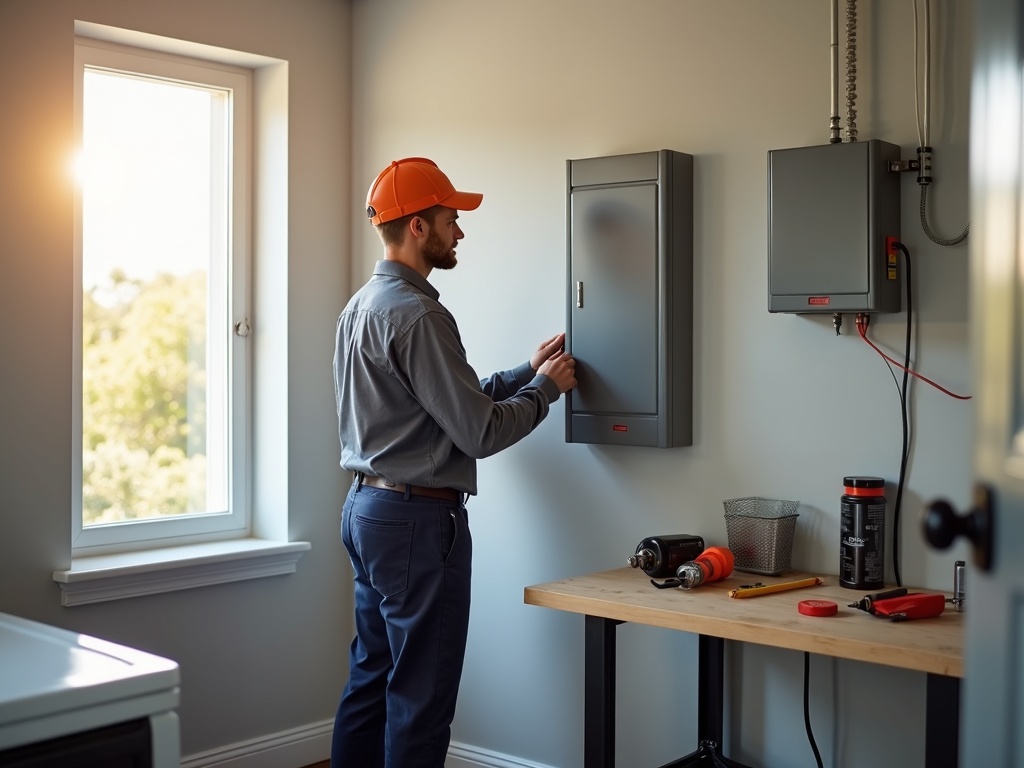

Here in Scottsdale, AZ, the monsoon rolls in, the grid flickers, and suddenly you’re staring at a dark refrigerator wondering why you didn’t sort this out six months ago. If you’ve been going back and forth on Battery Backup vs Generator options, you’re asking exactly the right question — and the honest answer is that neither is automatically better. They’re built for different households, different priorities, and very different budgets. Let’s work through it properly.
How Each System Actually Works
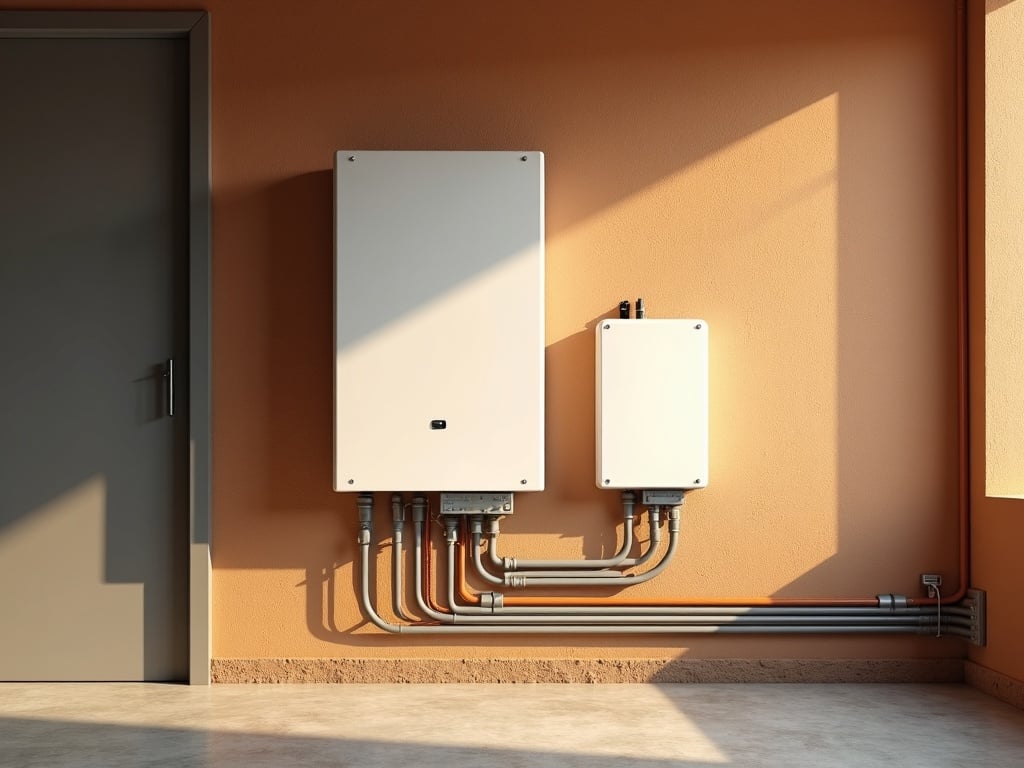
A battery backup — think Tesla Powerwall or similar lithium systems — stores energy from your solar panels or the grid and discharges silently when the power drops. No fuel, no exhaust, no startup delay. A standby generator runs on natural gas or propane, senses an outage within seconds, and kicks on automatically. It can run indefinitely as long as fuel flows. Those two fundamentally different architectures drive every trade-off below.
The Battery Backup vs Generator That Actually Matters in Arizona
Arizona heat changes the math in ways that catch a lot of homeowners off guard. Here’s where each system lands when you stress-test it against a Scottsdale, AZ summer:
- Outage duration: Most Maricopa County outages last under four hours. A single Powerwall (13.5 kWh usable) handles that easily — lights, Wi-Fi, a refrigerator, and phone charging. Add a second unit and you’re covering essential HVAC circuits. A generator has no capacity ceiling as long as fuel is available, which matters for the rare multi-day event after a severe storm.
- Heat and battery degradation: Lithium batteries lose efficiency above about 86°F ambient. Most systems are rated to operate up to 122°F, but sustained extreme heat — think a battery sitting in a west-facing garage in Chandler in August — shortens cycle life. Shade the installation location. A generator’s natural-gas supply line is completely indifferent to ambient temperature.
- Whole-home vs. critical loads: A single battery backs up a curated critical-loads panel: refrigerator, a few lights, medical equipment, internet. A properly sized standby generator can run your entire home including the 5-ton AC. If you run a home medical office in North Scottsdale or you genuinely cannot let the AC drop for even an hour, the generator wins on raw capacity.
- Noise and HOA rules: Generators are loud — typically 65–70 dB at 23 feet. Many Scottsdale, AZ HOAs and city ordinances restrict placement and operating hours. Batteries are silent. If you’re in a tight lot near Old Town Scottsdale or a planned community in Gilbert, check your CC&Rs before you commit.
- Ongoing costs: Generators need annual tune-ups, oil changes, and load testing. Budget $150–$350 per year for generator maintenance plus fuel. Battery systems have essentially zero recurring cost once installed, though inverters carry a warranty of roughly 10 years.
The question isn’t which system is better in theory — it’s which one matches how long your outages actually last, how many loads you need to carry, and how your home is set up today.
What Does Each Option Cost?
Installed costs across the Phoenix metro in 2024–2025 run roughly like this:
- Single battery (e.g., Powerwall 3): $12,000–$18,000 installed, depending on panel work required. Federal tax credits (currently 30% under the ITC for solar-paired systems) can materially reduce that. A load assessment tells you whether one unit is enough or whether you need two.
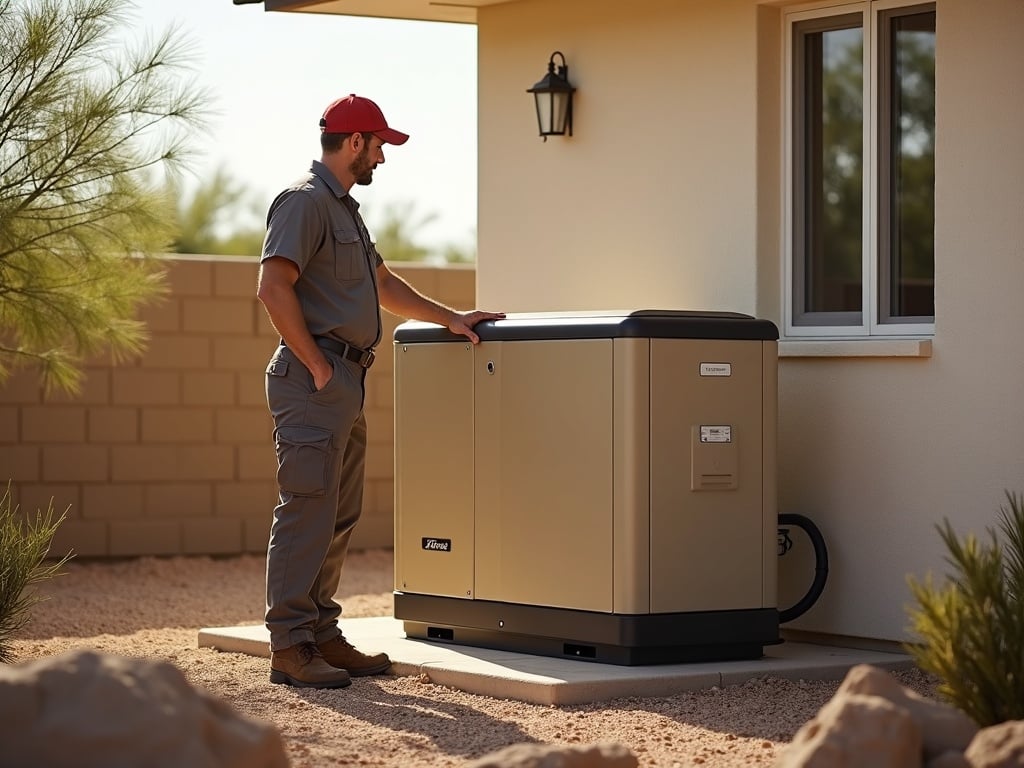
- Whole-home standby generator (22–26 kW): $8,000–$16,000 installed for the unit plus transfer switch and gas line work. Larger commercial-grade units for a restaurant or medical office in Mesa or Tempe run higher. No federal tax credit currently applies.
- Critical-loads generator (7–14 kW): $4,500–$9,000 installed — a realistic entry point if you just need the HVAC, refrigerator, and a few circuits covered. Our guide on what size generator you actually need for an Arizona home walks through the load numbers in detail.
Neither option is cheap — which is exactly why you should understand what you’re buying before you sign anything. If your panel is aging, both systems require clean, modern infrastructure underneath them. An outdated 100-amp panel in a Fountain Hills home from the ’90s isn’t a great foundation for either. A panel health check is the logical first step before committing to either path.
Which One Is Right for Your Situation?
If you’re a homeowner with solar already installed, or planning it, a battery backup pairs naturally and earns you that tax credit. If you’re a business owner — a dental practice in North Phoenix, a restaurant in Tempe — where a two-hour outage costs real money and real liability, a whole-home standby generator with automatic transfer is the more reliable answer for prolonged events. And if you have both goals? Some of our clients in Scottsdale and Glendale install a modest battery for daily short outages and a smaller generator as a true last-resort backstop. It costs more upfront but covers every scenario.
What we’d caution against: choosing based on a single quote from a contractor who only sells one product. The right answer depends on your loads, your panel, your utility rate structure, and how long your neighborhood actually loses power. We run those numbers before we recommend anything.
If you’re ready to stop guessing, call FHR Electric at (602) 492-9999. We’re a licensed Arizona contractor with over 20 years in the Phoenix metro — we’ll assess your home, give you a straight-price quote, and install whichever system actually fits your life. Our standby generator installation and whole-home emergency backup power services cover everything from permitting to final inspection. Done once, done right.