Here’s a thought that keeps a lot of Scottsdale, AZ homeowners up at night: that electrical panel tucked in the garage or utility closet hasn’t been touched since Gerald Ford was president — and now it’s running a modern HVAC, an EV charger, and a kitchen that would make a 1970s contractor’s jaw drop. A 1970s Home Electrical Panel Update isn’t just a nice-to-have. For many homes we inspect across Scottsdale and greater Scottsdale, AZ, it’s genuinely overdue. Let’s talk through what’s still serviceable, what’s a red flag, and what you should actually do next.
What a 1970s Panel Got Right — and Where It Falls Short
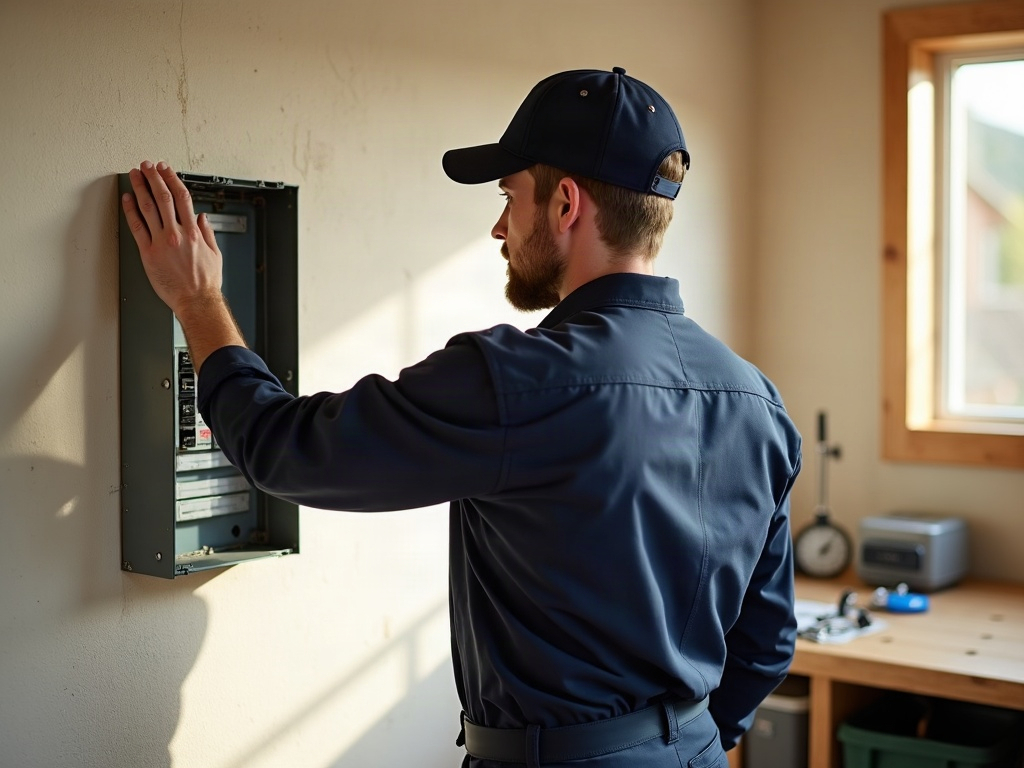
To be fair, a well-maintained breaker panel from the 1970s isn’t automatically dangerous just because of its age. If it’s a standard load-center design, the breakers still trip cleanly, the bus bar shows no corrosion, and the wiring isn’t double-tapped or overloaded — it may still be passing a visual check. A proper panel health check will tell you more in 30 minutes than a glance ever could.
The real problem is capacity and compatibility, not age alone. A 1970s panel was typically rated for 100 amps — enough for the loads of that era. Today’s homes in North Scottsdale and Chandler routinely pull 150 to 200 amps just for HVAC, refrigeration, and everyday electronics. Add a Level 2 EV charger and a kitchen remodel, and that old panel simply wasn’t designed for the math. Whether 200-amp service is even enough for a modern Arizona home is a conversation worth having before you assume an upgrade stops at the panel door.
The Red Flags That Mean It Has to Go
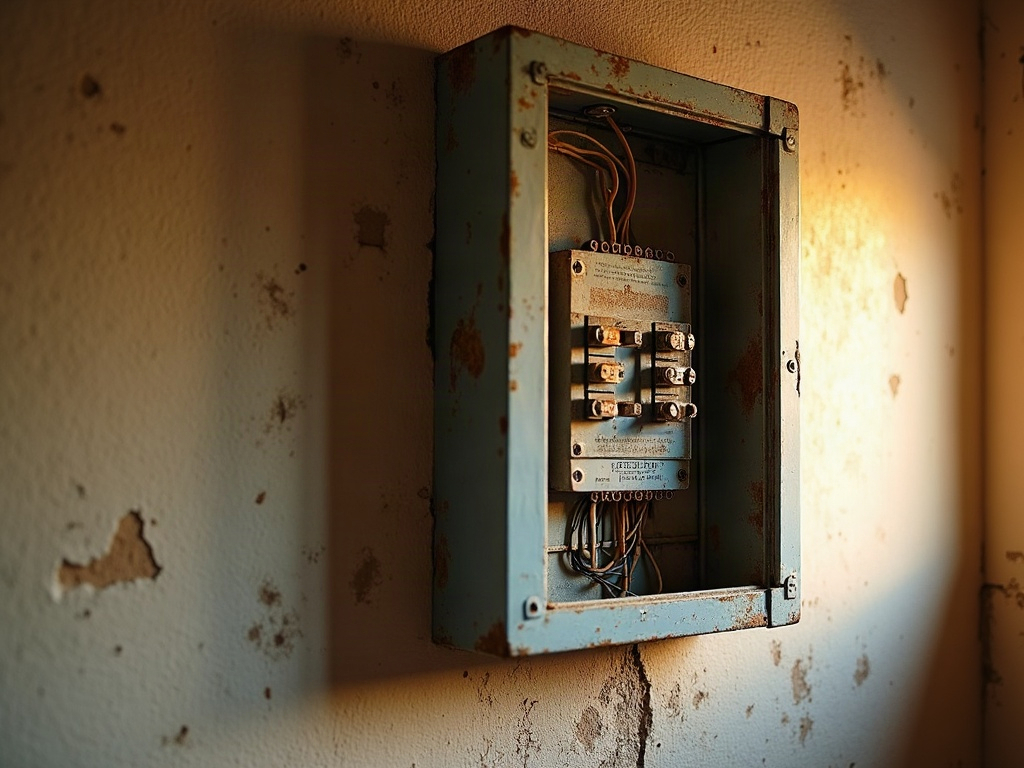
Some things we find during a panel assessment are non-negotiable. These aren’t “monitor it” situations — they’re replace-it-now situations.
- Federal Pacific, Zinsco, or Pushmatic brand panels. These specific manufacturers have documented breaker-failure histories. Zinsco, Pushmatic, and Challenger panels are industry-wide red flags — not just our opinion.
- Aluminum branch-circuit wiring. Common in 1970s construction, aluminum wiring at outlets and switches creates a real fire risk at connection points. Insurance companies across Arizona are actively flagging aluminum wiring in older homes — and some are dropping coverage entirely.
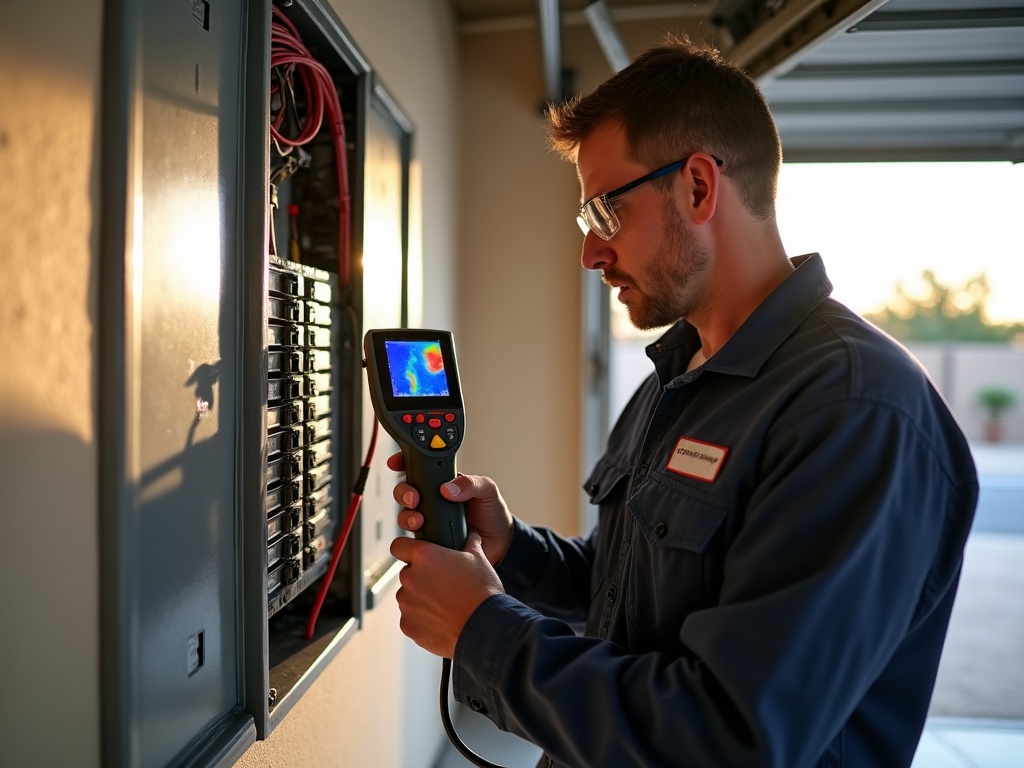
- Double-tapped breakers. Two wires on one breaker terminal is a code violation and a thermal hazard. Our thermal imaging camera shows exactly where heat is building before it becomes a problem — something a visual inspection simply cannot do. See what thermal imaging reveals inside your walls.
- No AFCI or GFCI protection on required circuits. 1970s panels predate both. Modern code requires arc-fault protection in bedrooms and living areas — and older homes selling in the Scottsdale market are increasingly expected to meet it.
- Breakers that won’t reset, or that trip repeatedly under normal load. That’s the panel telling you something it can’t carry.
“A breaker that trips is doing its job. A breaker that won’t trip — but should — is the one that starts fires.”
What a Panel Upgrade Actually Costs in Scottsdale, AZ
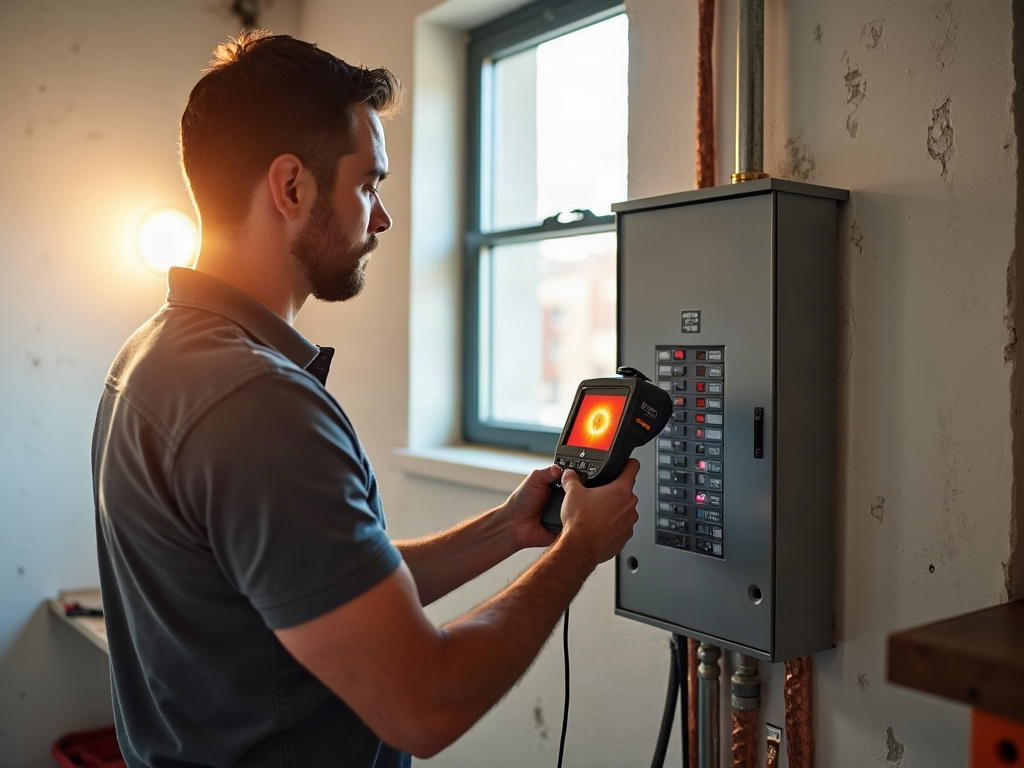
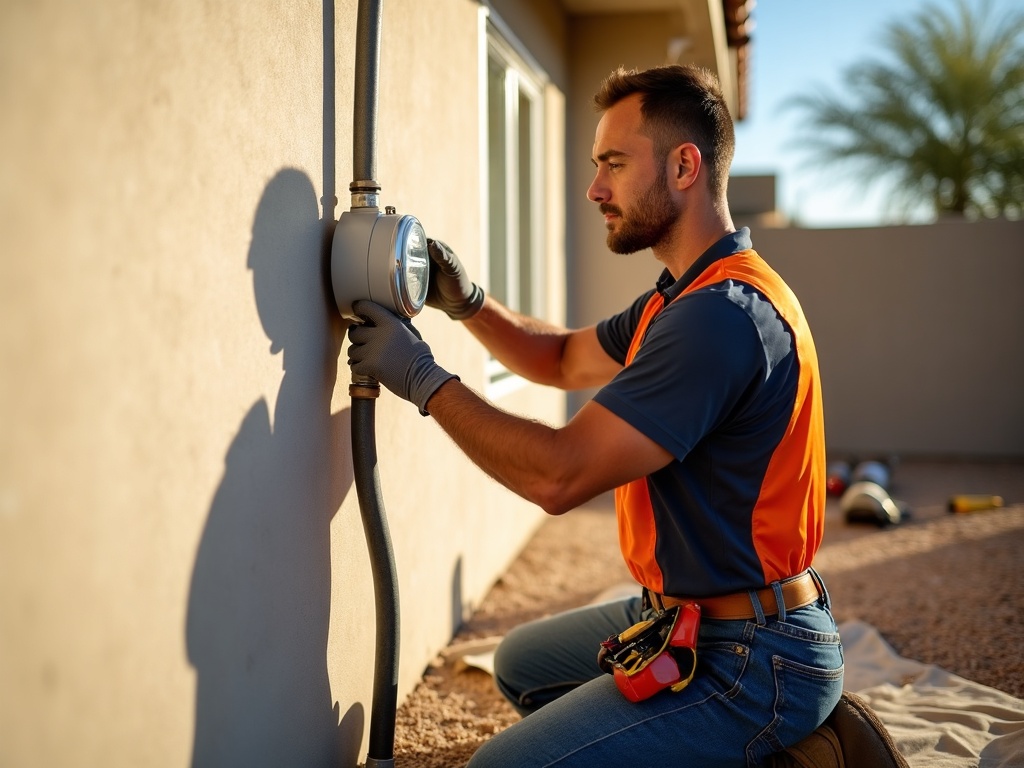
We hear “what will this cost me start to finish?” on almost every call, and we respect that question. Here’s an honest range: a standard residential panel upgrade from 100-amp to 200-amp service in the Scottsdale and greater Maricopa County area typically runs $2,500–$5,500, depending on the condition of the service entrance, the permit scope, and whether the meter base needs work. If you’re adding a Level 2 EV charger or new kitchen circuits at the same time, bundling the work is almost always more economical than two separate jobs.
We give straight prices — no scope creep surprises. And because FHR Electric is the electrical division of FHR Construction, a licensed and insured Arizona contractor with over 20 years in the Phoenix metro, we pull permits, schedule inspections, and stand behind the work with a company that isn’t going anywhere. If you’ve been burned by an unlicensed sub before, the real risks of hiring unlicensed in Arizona are worth a quick read before your next call.
Ready to Find Out Where You Stand?
Picture this: you flip that breaker and nothing trips. The panel hums quietly, the EV charger does its job overnight, and you go to bed knowing your home isn’t a fire hazard in waiting. That’s what a proper upgrade feels like — and it’s not as complicated as you might think when you work with people who do this every day. Whether you’re in Scottsdale, AZ, Tempe, Gilbert, or anywhere across Maricopa County, we’re ready to walk through your panel with you and give you a clear picture, not a sales pitch.
Call FHR Electric at (602) 492-9999 to schedule your panel assessment. We’ll tell you exactly what’s safe, what needs to go, and what it’ll cost — before any work begins.