
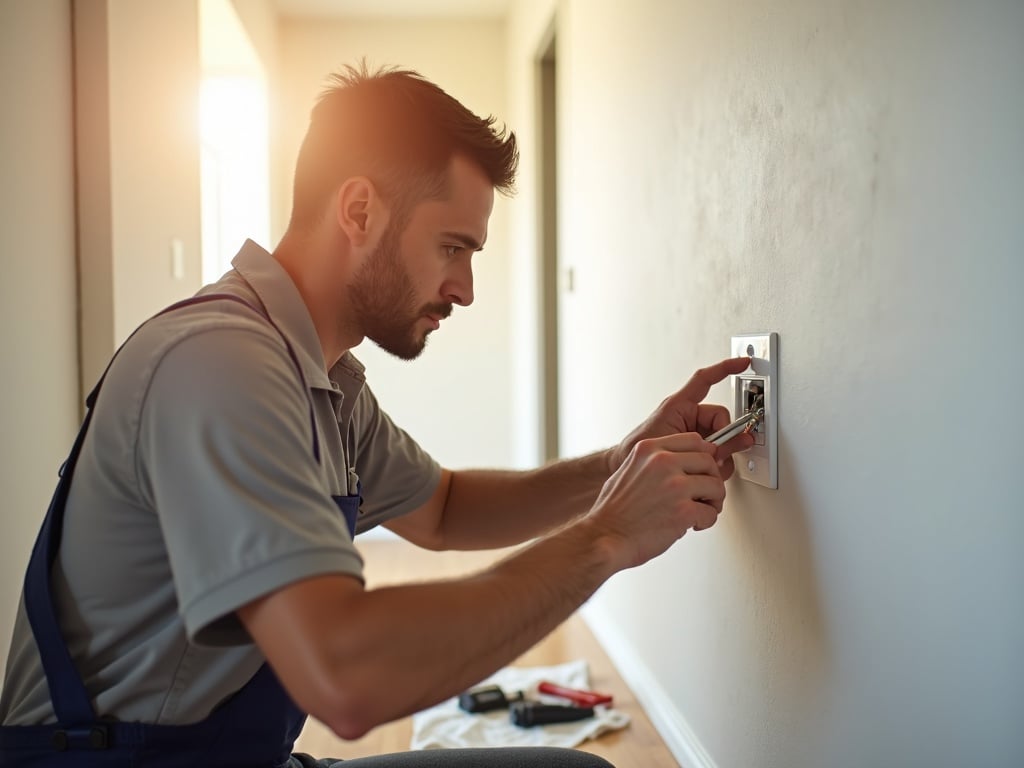
I’ll be honest — when a homeowner near the Gainey Ranch corridor in Scottsdale, AZ asks me whether occupancy sensors are “worth it,” my answer is almost always yes, with one caveat: the value depends entirely on where you put them and how they’re wired. Done right, Occupancy Sensor Switch Installation quietly eliminates the lights you keep forgetting to turn off and modernizes how your home responds to you. Done wrong, it’s a flickering annoyance you’ll want ripped out by Thursday. Here’s the real picture.
Where Occupancy Sensors Actually Earn Their Keep
Not every room is a good candidate. The spaces where motion-activated lighting genuinely pays off are the ones you enter with your hands full or your mind elsewhere.
- Garages and utility rooms — you walk in carrying groceries or a pool bag; the light should just come on. See our overview of garage electrical upgrades for what a full modernization looks like.
- Hallways and staircases — especially in larger North Scottsdale homes where a long corridor runs dark all day.
- Closets and pantries — small, visit-and-leave spaces where a sensor costs less to install than the electricity wasted over a year.
- Laundry rooms and bathrooms — though bathrooms need a vacancy sensor (you manually turn it on, it turns off automatically) rather than a pure occupancy sensor that might kill the lights mid-shower.
- Commercial and office spaces — conference rooms, back-of-house hallways, restrooms in a medical or dental suite. The emergency and exit lighting in those same corridors often integrates with the same circuit planning.
Bedrooms and living rooms are usually poor fits. The sensor can’t tell the difference between you sitting still on the couch and the room being empty — so expect the lights to go dark mid-movie if you don’t move enough.
The Wiring Reality: What Occupancy Sensor Switch Installation Actually Involves
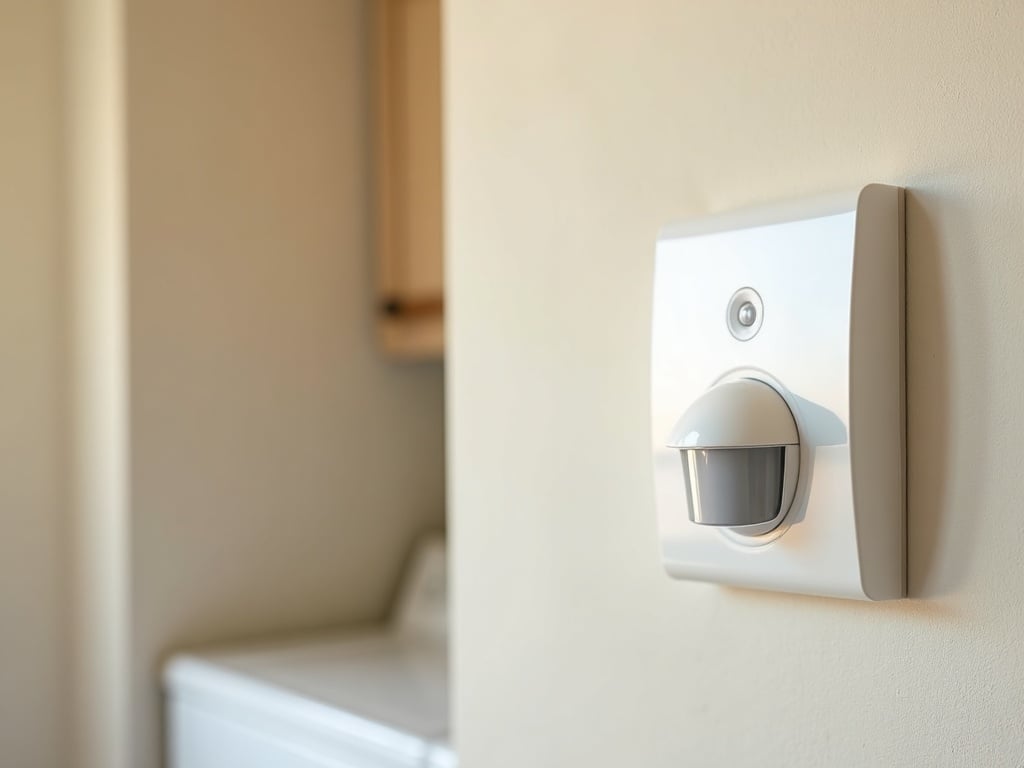
This is where most DIY installs go sideways. A standard single-pole switch is straightforward, but occupancy sensors have specific power requirements that depend on the switch type and your existing wiring configuration.
- Neutral wire requirement — most modern occupancy sensors need a neutral wire to power the sensor’s electronics. Older Arizona homes, including many built in the 1980s and 1990s around areas like Old Town Scottsdale and parts of Tempe, often have switch loops with only a hot and a switched hot at the box — no neutral. That means either rewiring the run or sourcing a sensor specifically rated for no-neutral installations.
- Load type matters — LED fixtures, fluorescent ballasts, and incandescent loads all behave differently. Mismatching a sensor to a non-compatible LED driver causes flicker or premature sensor failure. Always check the manufacturer’s minimum load spec.
- Three-way locations — a hallway controlled from two ends needs a three-way compatible sensor, which has different traveler wiring than a basic single-pole swap.
- Sensitivity and time-delay calibration — a licensed installer sets the PIR coverage angle, sensitivity level, and auto-off delay during commissioning. Getting those wrong produces ghost trips or lights that abandon you too quickly.
The sensor itself costs $30–$80. The labor, proper wiring assessment, and calibration are what separate a system that works from one that drives you crazy within a week.
If you’re pairing occupancy sensors with a broader smart-switch rollout, the protocol conversation matters too. Our breakdown of Zigbee vs. Z-Wave vs. Wi-Fi smart switches covers how to choose a platform before your electrician pulls wire — because that decision affects every device you add later.
Cost, Code, and Why Licensed Installation Is Non-Negotiable
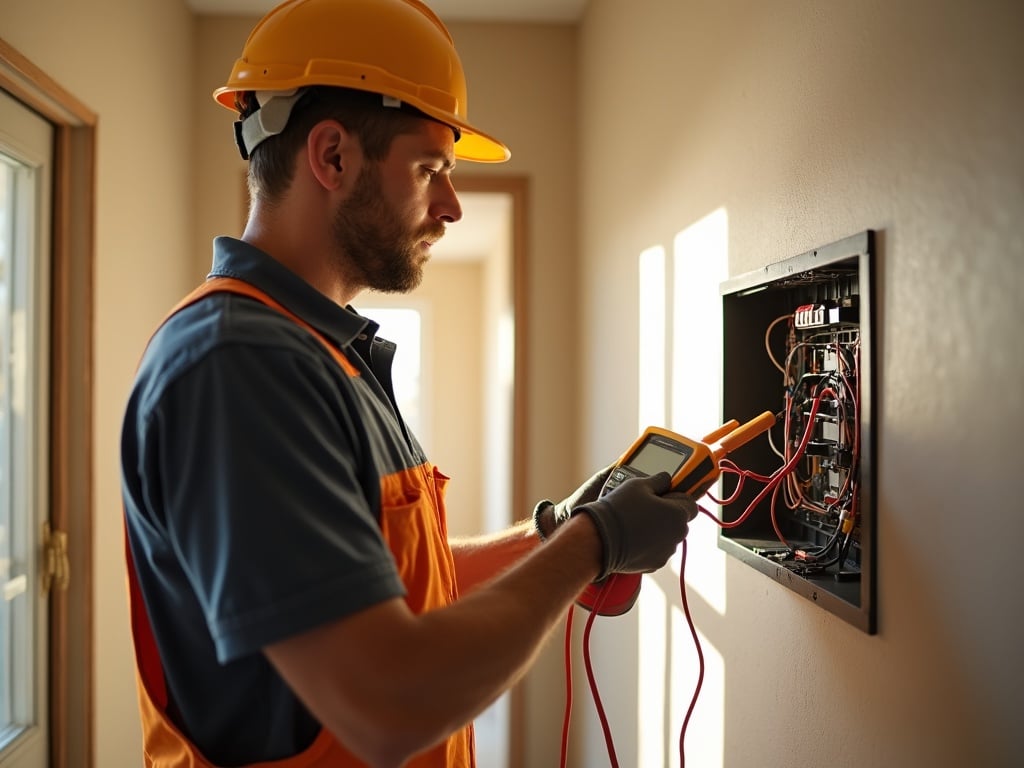
A typical residential occupancy sensor swap in Scottsdale, AZ runs roughly $120–$280 per location installed, depending on whether a neutral wire is present, the switch configuration, and fixture compatibility. Commercial installs with multiple sensors on a single circuit, or sensors tied into a building automation system, are scoped per project.
From a code standpoint, the 2023 NEC (adopted in Arizona) mandates occupancy sensor controls in certain commercial spaces — private offices, classrooms, conference rooms — as part of energy compliance under ASHRAE 90.1. Residential code doesn’t require them in most cases, but any new circuit or significant rewiring triggers a permit. An unlicensed installer won’t pull one. That’s how you end up with work that fails inspection or, worse, work that was never inspected at all. If you’ve had that experience before, you already know how expensive fixing someone else’s shortcuts can be.
Before adding sensors to a home with an older panel, it’s smart to understand what your panel can actually handle. Our guide on what a panel health check involves explains exactly why that step matters — especially for Scottsdale, AZ homes approaching 25–30 years old.
The U.S. Department of Energy estimates occupancy sensor controls reduce lighting energy use by up to 30 percent in residential applications and higher in commercial spaces — but only when the sensor type, placement, and calibration are dialed in correctly.
Ready to Do It Right the First Time?
Whether you’re upgrading a single hallway in a home near Kierland Commons or outfitting a multi-room medical suite in north Scottsdale, AZ, the install deserves the same precision. FHR Electric has been doing this work across Maricopa County for over 20 years — licensed, insured, and backed by a full construction firm that doesn’t disappear after the job. Call us at (602) 492-9999 to schedule a straight-price estimate, and we’ll tell you exactly what your locations need before anything gets touched.

