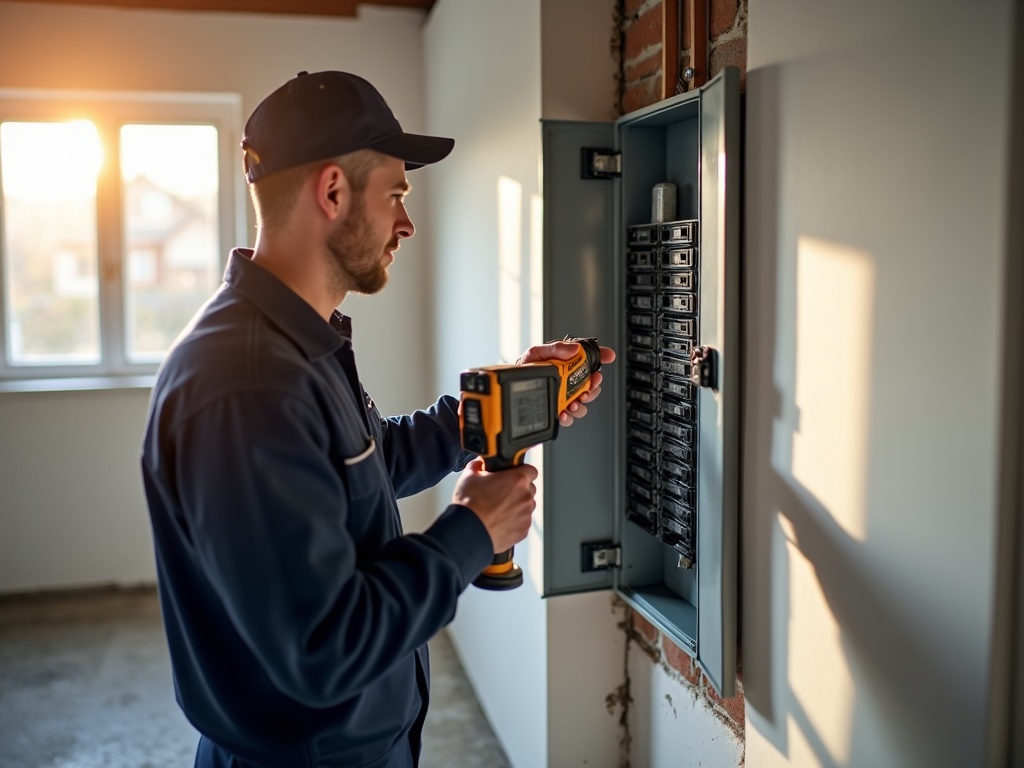
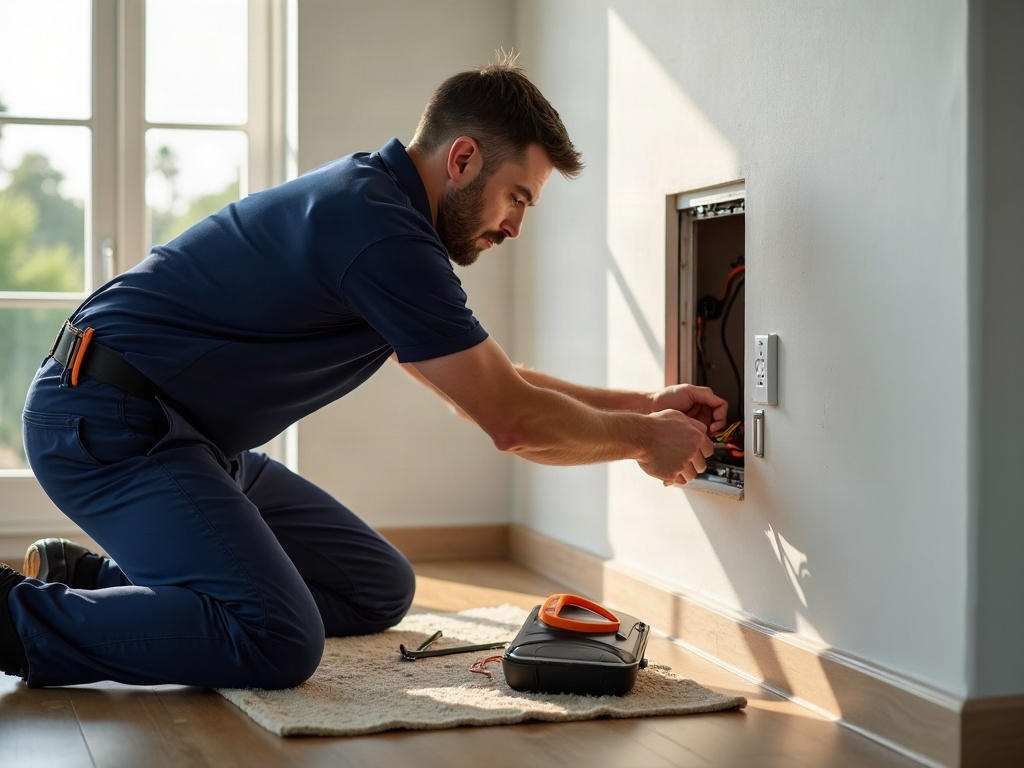
If you’ve ever unplugged a lamp, plugged it back in, and gotten nothing — then tried again an hour later and had it work fine — you already know how unsettling Intermittent Power at Outlet can be. It feels random. It isn’t. There’s almost always a specific mechanical or wiring reason the outlet works sometimes and not others, and in most cases it’s something a licensed electrician can diagnose and fix in a single visit. Here’s what’s actually going on inside that box.
The Three Most Common Causes of Power Flickering at an Outlet
Most intermittent outlet problems come down to one of three failure points. Understanding which one you’re dealing with changes everything about the fix.
- Loose wire connection inside the outlet box. Over time — especially in homes built before 2000 — the screw terminals or back-stab connections on a standard outlet can work loose. Every time the circuit heats and cools with use, that connection shifts a tiny fraction. Eventually it gets loose enough that contact is intermittent. This is the single most common cause of a loose outlet connection, and it’s also the one most people never suspect because the outlet looks perfectly fine from the front.
- A worn or failing outlet receptacle. The internal contact clips that grip a plug’s prongs wear out, especially in high-use locations — a kitchen counter, a home-office desk, a workshop bench. When those clips lose their tension, you get contact sometimes and nothing other times. The outlet isn’t broken in any visible way; it’s just mechanically exhausted.
- A breaker that’s starting to fail. Breakers aren’t meant to last forever. A breaker that’s been tripped dozens of times, or one in an aging panel, can develop intermittent contact at its bus connection. The result feels exactly like outlet losing power randomly — because electrically, it is. If several outlets on the same circuit come and go together, the breaker is the more likely culprit.
Why This Isn’t Something to Watch and Wait On
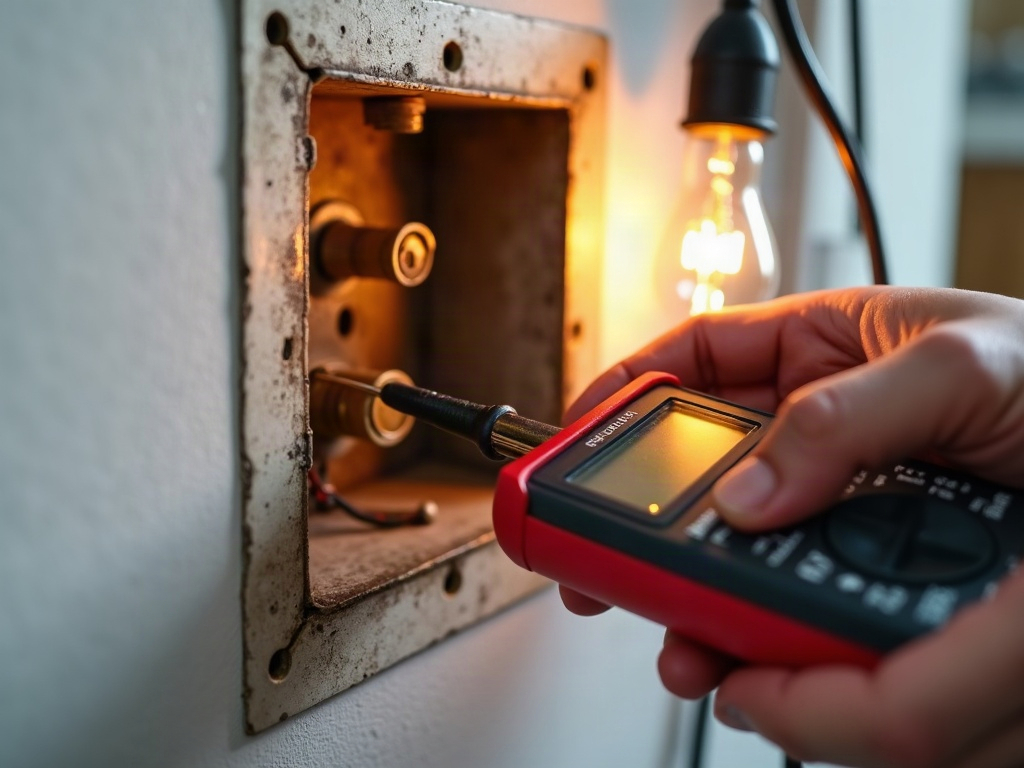
A lot of homeowners in Scottsdale, AZ and across Scottsdale, AZ take a wait-and-see approach with an intermittent outlet because it “comes back on its own.” That’s the problem — loose connections don’t stay loose in a static, harmless way. They arc. Arcing produces heat, and heat in a wall cavity is how electrical fires start. The outlet appearing to “fix itself” is sometimes just the connection shifting back into marginal contact, buying time until the next arc event.
A loose connection that arcs intermittently can reach temperatures high enough to ignite insulation long before any breaker trips — because the current draw isn’t high enough to trigger the breaker, just high enough to cause damage.
If you’ve noticed any warmth around the outlet cover plate, a faint burning smell, or any discoloration on the plastic, treat it as urgent. If the outlet simply stops and starts with no other symptoms, it still needs a proper diagnosis — just not an emergency call on a weekend.
Worth noting: if the outlet in question is in a bathroom, kitchen, garage, or outdoors, check whether it’s on a GFCI circuit first. A tripped GFCI upstream can make a downstream outlet appear intermittent when it’s really just waiting to be reset. Our guide on why your GFCI outlet keeps tripping walks through that logic step by step. And if the outlet has gone fully dead, the dead outlet diagnostic process an electrician uses is a good read before you call.
What a Licensed Electrician Actually Does to Diagnose It
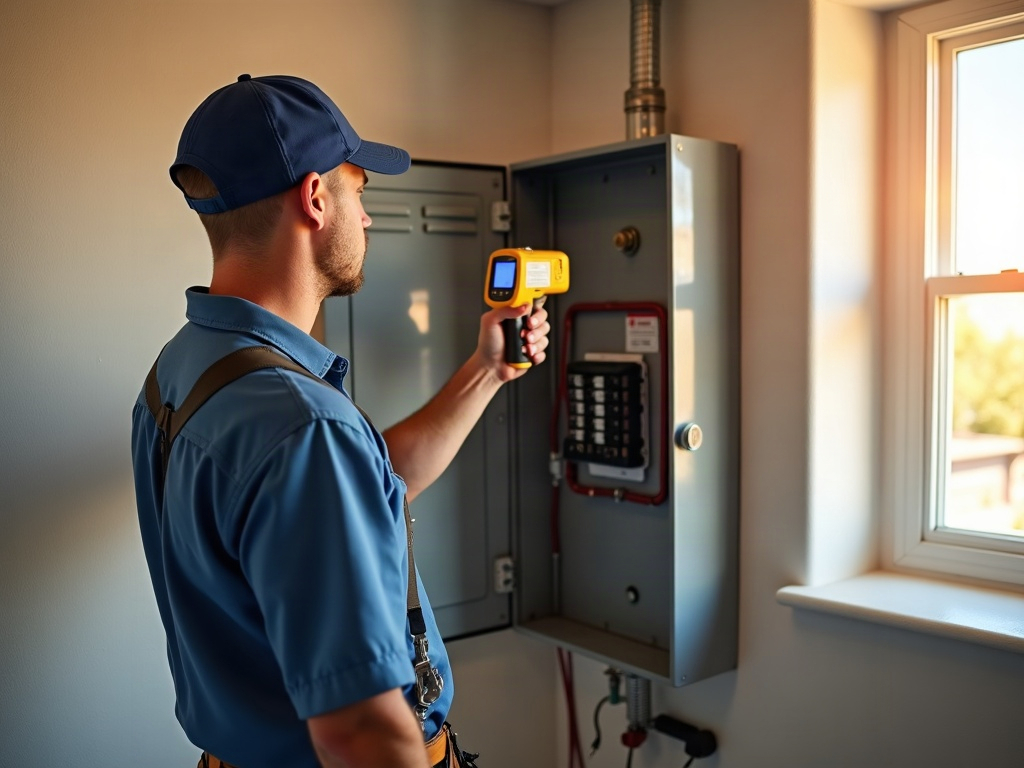
Here’s what a proper diagnosis looks like — not a guess, not a swap-and-hope:
- Load test the outlet with a plug-in meter to measure voltage under load versus at rest. A healthy outlet holds steady; a failing one shows a voltage drop or goes open intermittently during the test.
- Open the box and inspect terminations. Every wire connection gets checked for tension, corrosion, and whether back-stab wiring was used (it almost always is in builder-grade homes and it almost always fails eventually).
- Trace the circuit back to the panel. If the outlet tests fine but the problem persists, the breaker and bus connection get checked next. A thermal camera is the fastest way to spot a hot connection that’s arcing without pulling the panel cover unnecessarily.
- Check for aluminum wiring. Homes built in AZ between roughly 1965 and 1973 sometimes have aluminum branch-circuit wiring. Aluminum expands and contracts more than copper with heat cycling, making intermittent connections far more common — and the fix more involved than a simple outlet swap.
If any of this sounds like it belongs in a bigger conversation about your panel’s overall condition, our honest breakdown of whether to repair or replace your electrical panel is a good next read. Panels in the Phoenix metro that are 25-plus years old often have more going on than one bad breaker.
Picture this: you plug in your laptop, the outlet holds, your workday runs without a second thought. That’s not a high bar — it’s just what properly functioning wiring delivers. If an outlet in your home or office in Scottsdale, AZ is making you second-guess every plug-in, that’s worth one phone call to fix once and fix right.