If you’ve been staring at your breaker box wondering whether a quick fix will cut it or whether you’re looking at a full swap, you’re asking exactly the right question. The answer to Should I Replace or Repair My Electrical Panel isn’t always obvious — and any electrician who gives you an instant answer without looking at the panel first is guessing. Here’s how we actually think through it.
When a Repair Is the Right Call
Not every panel problem is a death sentence for the whole box. In Scottsdale, AZ homes built in the 1990s and early 2000s — think the subdivisions off Pima Road or east of McCormick Ranch — we regularly see panels that are fundamentally sound but have one or two components that have worn out ahead of schedule. In those cases, a targeted repair makes total financial sense.
Situations where repair is usually sufficient:
- A single breaker that trips repeatedly but the rest of the panel is clean and correctly loaded
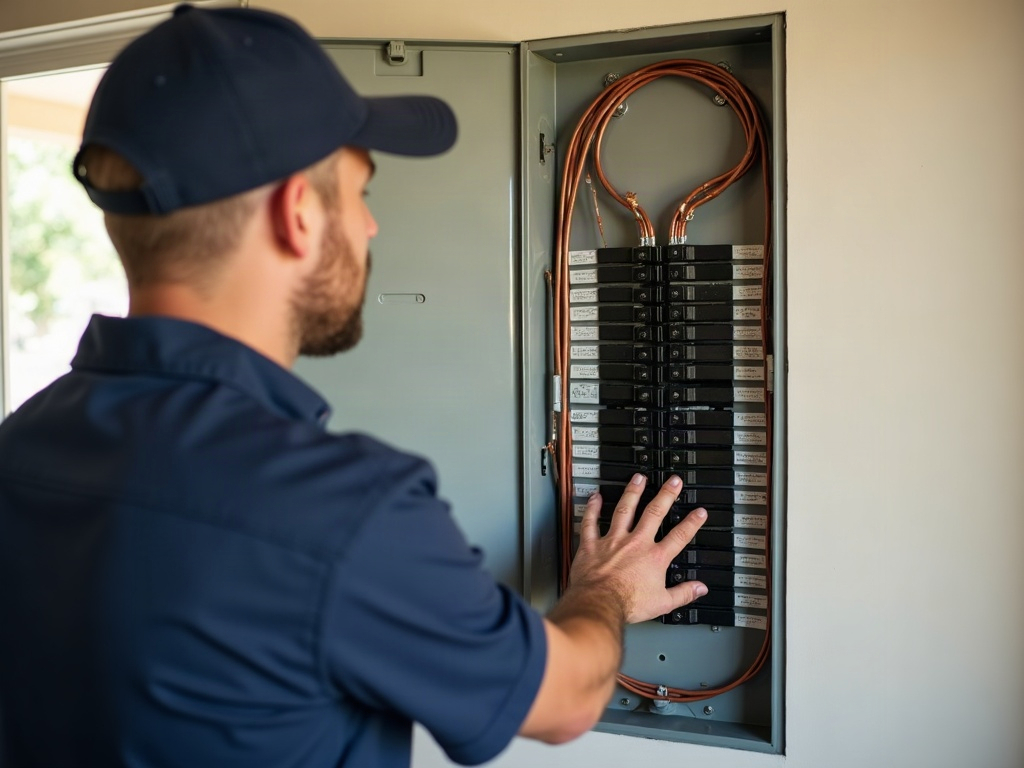
- A loose neutral connection or a corroded lug — isolated issues a licensed electrician can address in a single visit
- A mislabeled panel that creates confusion but no underlying fault (mislabeled panels are a real safety risk, but the fix is usually straightforward)
- A GFCI or AFCI breaker that has failed on its own — these are component swaps, not panel indictments
The honest caveat: a repair only makes sense if the panel itself has remaining useful life and enough capacity for your current loads. A patch on a panel that’s already maxed out or structurally compromised just delays the inevitable.
Clear Signs You Need a Full Panel Replacement
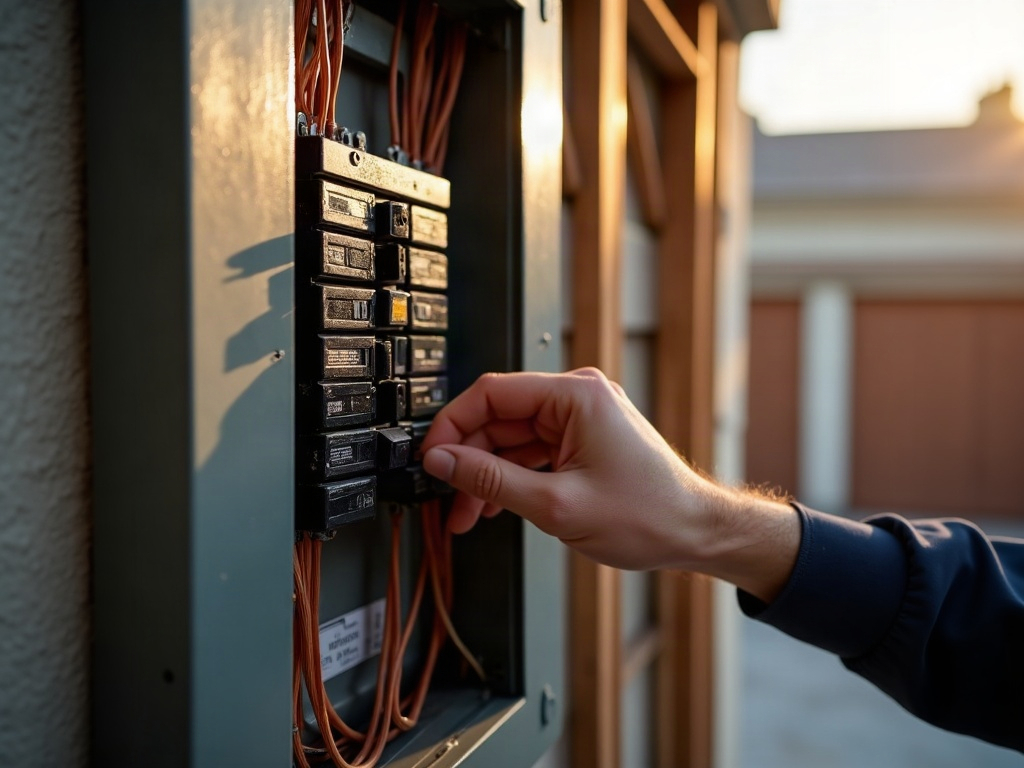
Some situations take the repair-vs-replace question off the table entirely. If any of the following apply, replacement isn’t upselling — it’s the only responsible recommendation.
- Your panel is a known problem brand. Zinsco, Pushmatic, and Challenger panels have documented failure modes that no repair can resolve. Federal Pacific panels fall into the same category.
- You’re adding significant load. A new Tesla or EV in the garage, a kitchen remodel, a new HVAC system — if your panel is already at or near capacity, 200-amp service may not even be enough anymore.
- The panel is 30-plus years old and showing heat damage. Discoloration, a burning smell, or breakers that feel warm to the touch are not minor. These are the calls we get after a monsoon knocks out power and someone finally opens the panel door for the first time in years.
- You’re in the middle of a remodel or addition. If the walls are already open, that’s the moment to upgrade — not after drywall goes back up. Our post on kitchen remodel electrical circuits walks through exactly why timing matters.
- A home inspector flagged it. In a competitive Scottsdale real estate transaction, a flagged panel can kill a deal or drop your sale price far more than a replacement would have cost.
“A panel that can’t handle your life isn’t a panel worth keeping. The question isn’t repair or replace — it’s whether the panel you have can safely serve the home you actually live in.”
What Panel Replacement Actually Costs in Scottsdale, AZ
This is the question everyone has and almost no one answers honestly. In the AZ market, a residential panel replacement — pulling a permit, doing the work correctly, and passing inspection — typically runs somewhere in the range of $1,800 to $4,500 depending on panel size, service amperage, permit fees, and whether the utility needs to coordinate a temporary disconnect. Commercial panel work for a restaurant or medical office runs higher, especially if you’re upsizing service capacity. We quote straight prices before the work starts — no scope creep surprises.
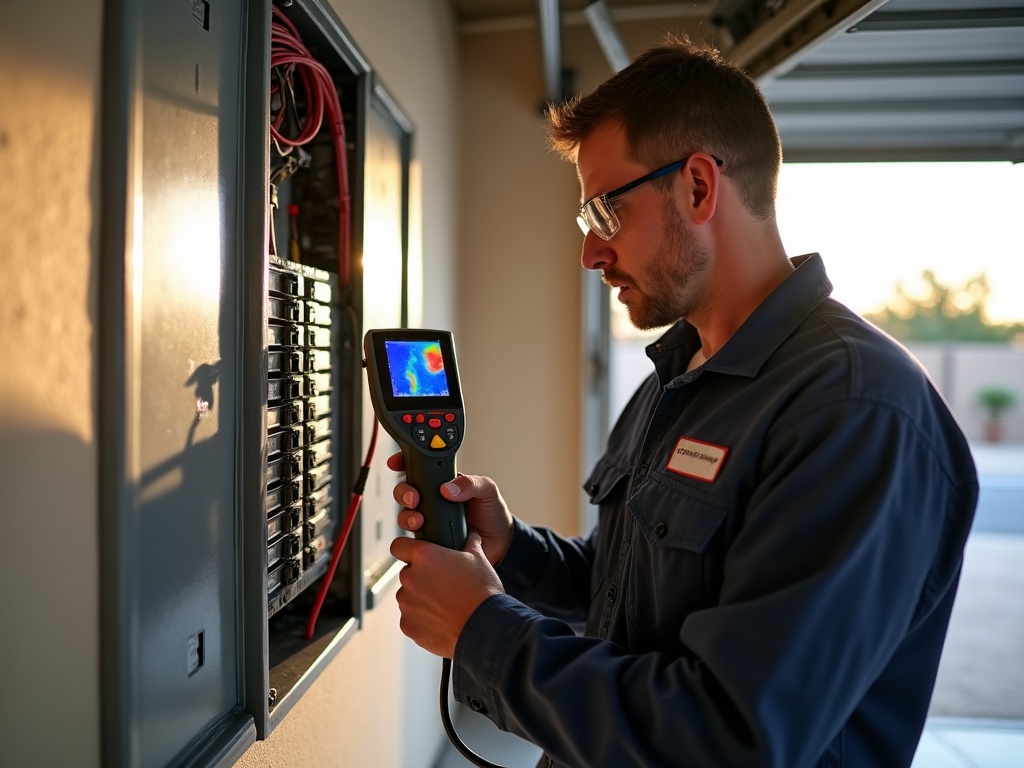
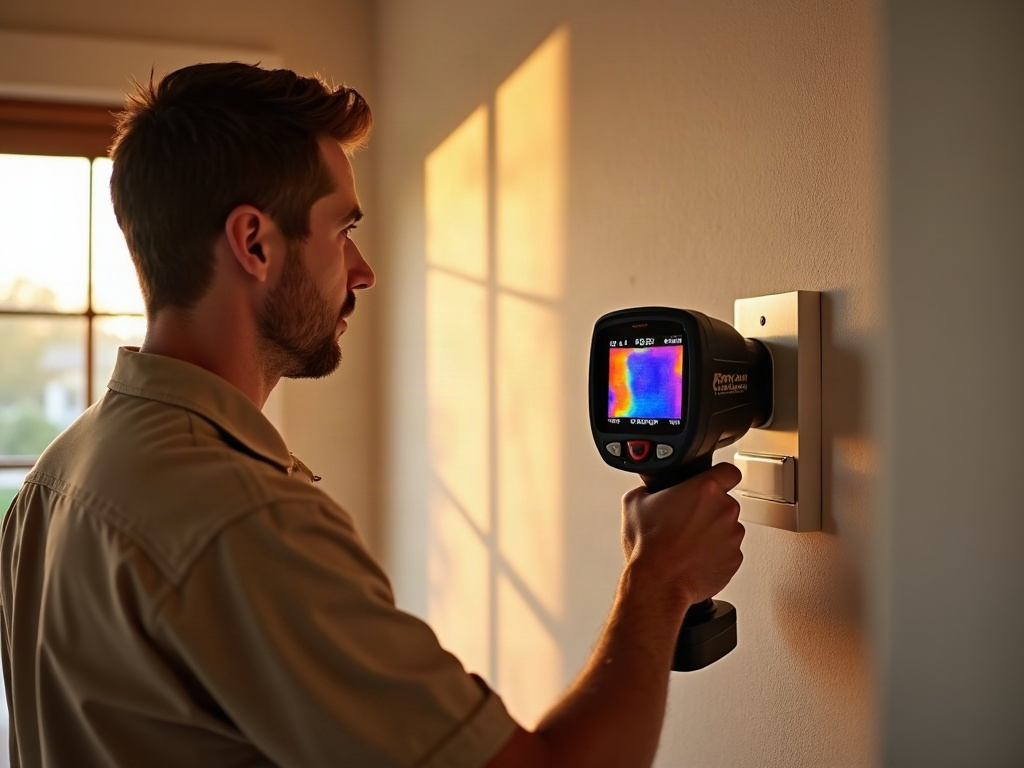
What that price buys you: a correctly sized panel, a permit on record with the city, and thermal imaging verification that confirms every connection is clean after the work is done. That last part is how we know the job is right — not just how it looks.
The Should I Replace or Repair My Electrical Panel Decision Comes Down to Three Things
After twenty years serving Scottsdale, AZ and the broader Maricopa County area — from Old Town Scottsdale condos to North Phoenix commercial builds — we’ve found that the repair-or-replace call almost always hinges on three factors:
- Panel age and brand. If it’s a problem brand or past its expected service life, replacement is the answer. Here’s a realistic look at how long panels actually last.
- Current and future load demands. If you’re adding an EV charger, a hot tub, or a casita, the math has to work. A repair that leaves you with a panel that can’t support your life isn’t a solution.
- What a licensed inspector actually finds. Not a visual glance — a proper panel health check with thermal imaging. We’ve walked into homes in Fountain Hills and Chandler where the panel looked fine from the outside and was a different story on infrared.
If you’re a new homeowner who just discovered your panel is 30 years old, or a restaurant owner in Tempe who can’t afford a mid-service outage, or someone who just took delivery of a new EV and needs a charger installed correctly — these aren’t situations where you want to guess. Call FHR Electric at (602) 492-9999 and we’ll give you a straight answer based on what we actually see, not what’s easiest to sell.