You plug in the vacuum, flip it on, and — click — the breaker trips. Again. If you’ve been searching for answers about Afci Tripping on Vacuum Cleaner, you’re not alone. The frustrating truth is your panel is probably doing exactly what it was designed to do. The problem is it can’t always tell the difference between a genuine arc fault and the electrical noise a vacuum motor throws off. Here’s a straight breakdown of what’s happening and how to know when a reset is fine versus when you actually need a licensed electrician.
Why Afci Tripping on Vacuum Cleaner Happens: 5 Real Causes
Arc fault circuit interrupters monitor the waveform of current on a circuit dozens of times per second. That sensitivity saves lives — and it’s also why certain appliances push them over the edge. Work through this list before assuming the worst.
- Brush motor interference — the most common culprit. Most household vacuums use a universal (brush-type) motor. As the carbon brushes slide across the commutator ring, they produce rapid electrical sparking that is, to an AFCI, nearly indistinguishable from a genuine arc fault inside your wiring. This is a known limitation of the technology, and it’s the root cause in the majority of nuisance trip events with vacuums. The NFPA 70 National Electrical Code acknowledges that certain appliance motors can trigger nuisance trips in compliant AFCI devices.
- An aging or worn vacuum motor. Worn brushes arc more aggressively. If nuisance tripping never happened before and your vacuum is a few years old, the appliance is the first place to look — not the panel.
- A loose or damaged cord connection. A frayed cord or a plug that’s even slightly loose can generate its own arcing — and that one is a real arc fault, not a false trip. Inspect the full cord length. Any melting, discoloration, or exposed wire means stop using that vacuum immediately.
- A degrading AFCI breaker. AFCI breakers wear over time, especially in a climate like Scottsdale where summer heat inside attic-mounted panels accelerates that wear. A breaker that trips repeatedly on the same appliance and resets fine might be nearing the end of its useful life. That’s worth a professional look rather than another reset. Our guide on whether to repair or replace your electrical panel covers the signs clearly.
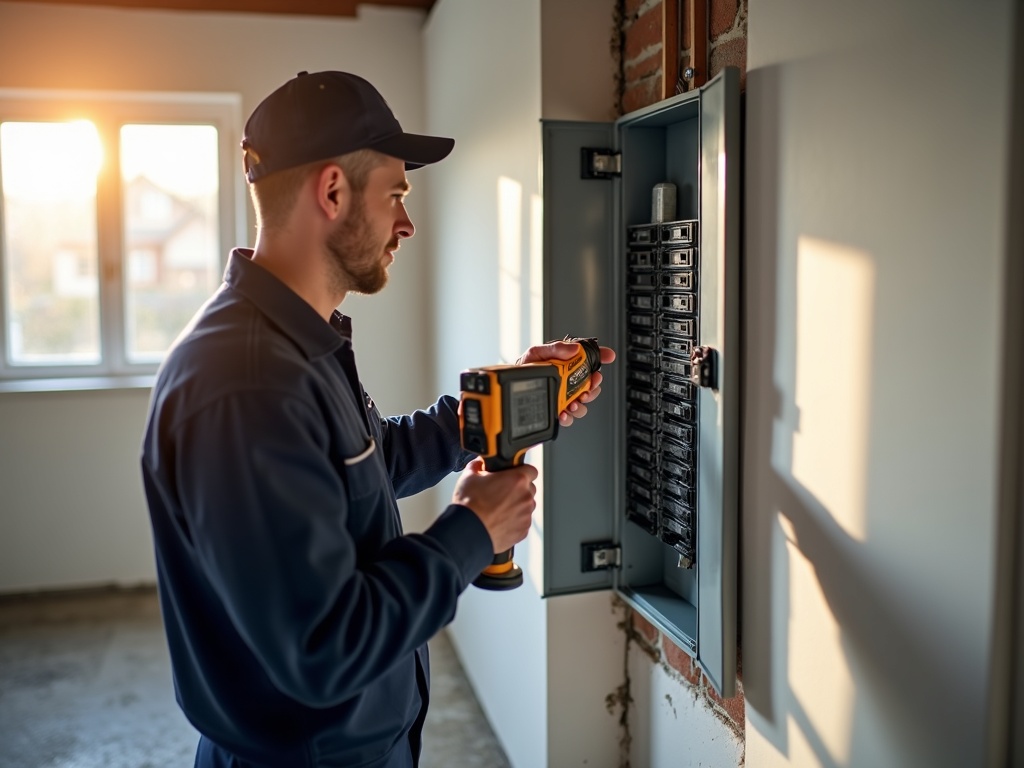
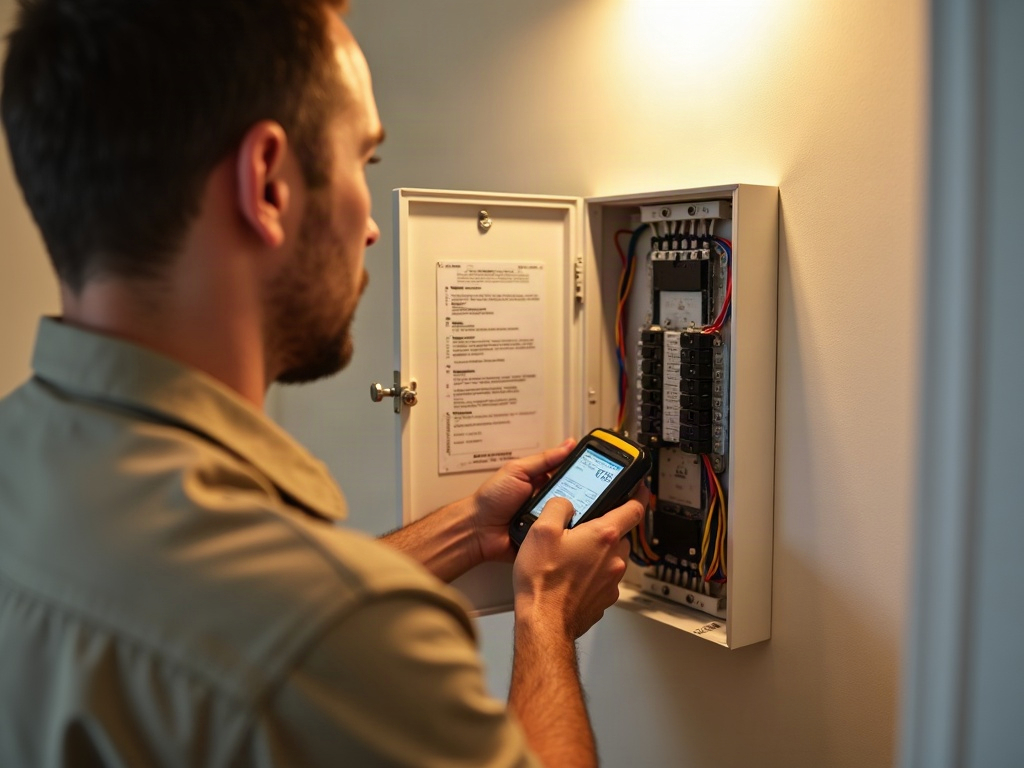
- Wiring issues elsewhere on the circuit. Loose connections at outlets or junction boxes can produce intermittent arcing that the breaker detects the moment a high-draw appliance starts up. The vacuum’s startup surge stress-tests the whole circuit in a split second. A thermal imaging scan of your electrical panel can reveal hidden hot spots before they become a real hazard.
A true arc fault has a distinct waveform signature. An AFCI that nuisance trips on a vacuum isn’t broken — but one that trips and won’t reset, or trips on multiple different appliances, is telling you something real is wrong.
When to Stop Resetting and Call a Pro
Resetting a tripped breaker once or twice while you troubleshoot the appliance is reasonable. But these are the situations where you need a licensed electrician — not another reset:
- The breaker trips immediately when you flip it back on, before you plug anything in.
- You smell anything burning near the outlet, the cord, or the panel.
- The same breaker trips on multiple different appliances — not just the vacuum.
- You notice flickering lights elsewhere in the house when the vacuum runs.
- The panel is more than 20 years old and has never been inspected.
One quick way to rule out your appliance before calling anyone: plug the vacuum into a circuit without AFCI protection — a garage outlet, for example — and run it normally. If it runs fine there, the vacuum is creating interference. If it trips a standard breaker too, the vacuum has a real electrical fault and needs to be serviced or replaced.
Many homeowners in Scottsdale — whether you’re in a newer build near Kierland Commons in Scottsdale or an older home elsewhere in Maricopa County — have AFCI breakers throughout the house. If you’re at the point where resetting isn’t cutting it, call FHR Electric at (602) 492-9999. We’ll diagnose the circuit, check the breaker, and give you a straight answer — same-day service available for situations that can’t wait.