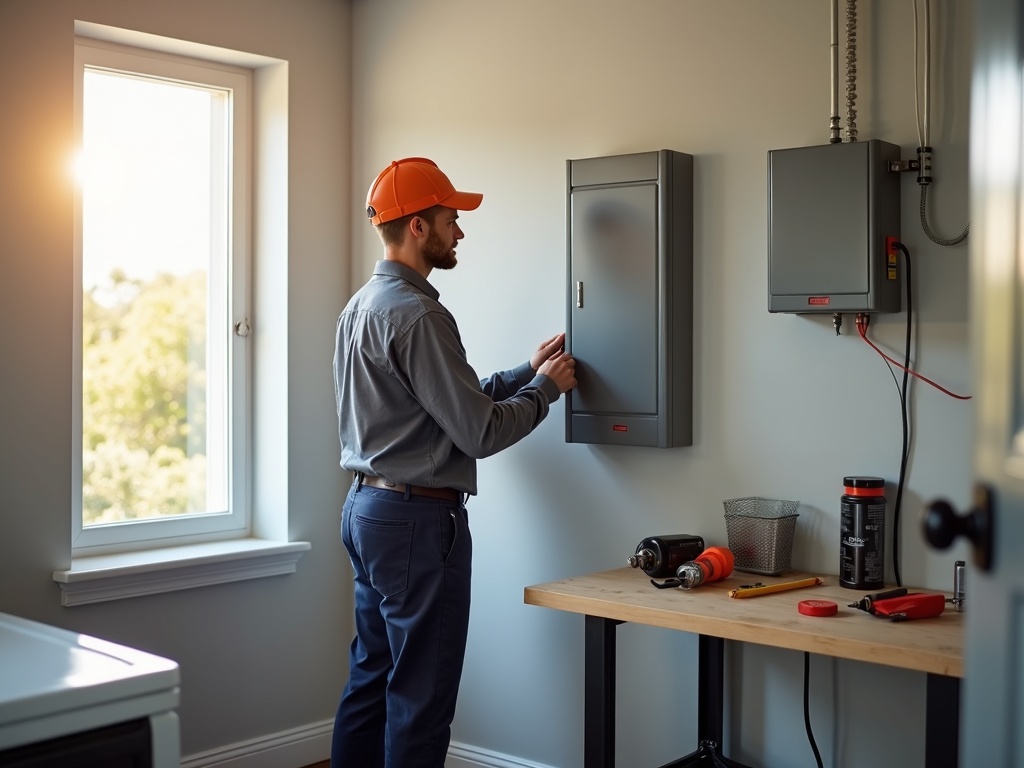
Imagine this: it’s 2 a.m., a summer monsoon rolls through Scottsdale, AZ, and the grid goes dark. For most people, that’s a flashlight moment. But if someone in your home depends on a CPAP machine, home oxygen concentrator, infusion pump, or powered wheelchair — it becomes something else entirely. Backup Power for Medical Equipment isn’t a luxury upgrade. It’s a safety system, and getting it right means thinking through your electrical infrastructure before the outage happens, not during. At FHR Electric, we’ve spent over 20 years wiring homes across Scottsdale, AZ and the greater Maricopa County area, and we want to walk you through exactly what a solid home medical power backup looks like from the panel out.
Why Standard Surge Strips Don’t Cut It
Picture your CPAP plugged into a power strip while APS flickers during a July storm near McCormick Ranch. That strip does nothing when the utility goes down — it only protects against voltage spikes. What you actually need is a UPS system for home medical use or a whole-home battery backup, depending on the equipment load and how long outages typically last in your area.
Here’s the honest breakdown of your main options:
- Line-interactive UPS (uninterruptible power supply): Ideal for single devices like CPAP or BiPAP machines. Kicks in within milliseconds. Runtime typically 2–8 hours depending on battery capacity. Cost range: $150–$600 for a quality medical-grade unit.
- Whole-home battery backup (e.g., Tesla Powerwall, Enphase IQ Battery): Powers your entire home or a selected critical circuit group. Runtime depends on solar pairing and load. Cost range: $10,000–$20,000+ installed, including electrical work.
- Standby generator with automatic transfer switch: Best for extended outages or higher-load equipment like home oxygen concentrators. Kicks on within seconds. Cost range: $5,000–$15,000 installed depending on size and panel configuration. See our deep-dive on what size generator you really need for an Arizona home to match the numbers to your actual load.
For a more head-to-head look at the two most common residential routes, our post on battery backup vs. generator for Arizona homeowners lays it out plainly.
What Your Panel Needs to Support Backup Power for Medical Equipment
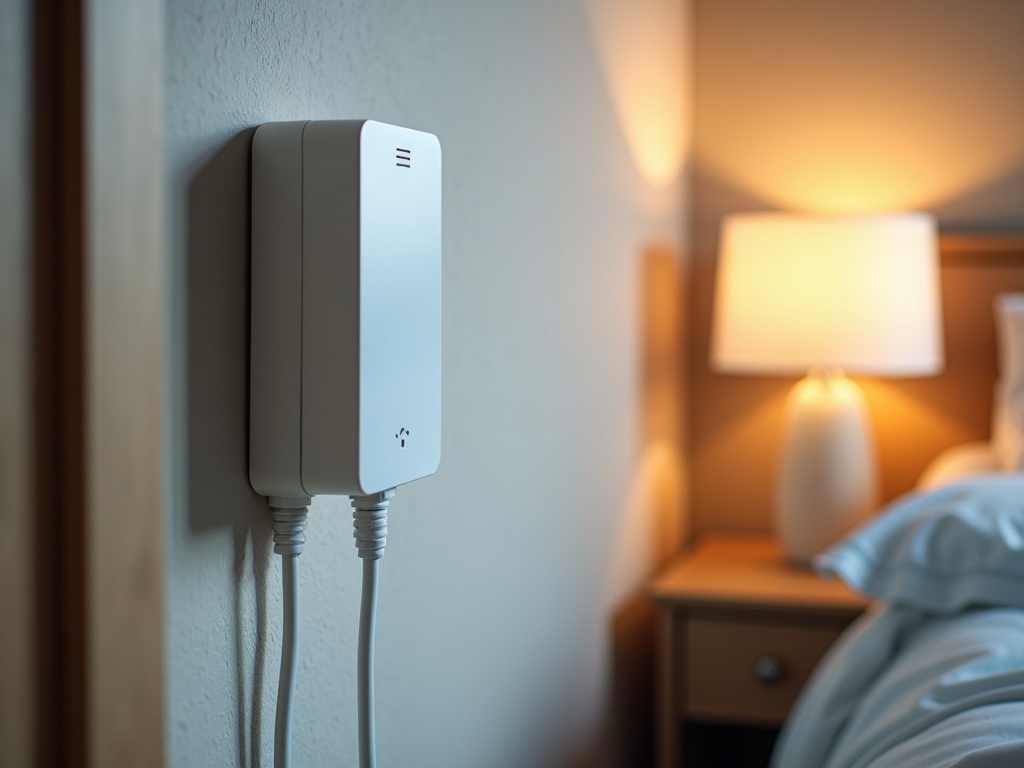
Notice how most conversations about backup power skip straight to the device and ignore the infrastructure behind it. That’s where things go wrong. A UPS unit plugged into an overloaded 15-amp circuit, or a whole-home battery tied into a 30-year-old panel, is not a safe setup — it’s a problem waiting to surface.
Before any backup system gets installed, we look at three things:
- Panel capacity and age. If your panel is original to a home built before 1995, it may not have the capacity — or the breaker integrity — to support a new dedicated circuit for a transfer switch or battery system. We use thermal imaging to confirm what a visual inspection can miss.
- Dedicated circuits. Medical equipment should never share a circuit with kitchen appliances, HVAC, or other high-draw devices. A dedicated 20-amp circuit (sometimes 30-amp for oxygen concentrators) is the right starting point.
- Transfer switch installation. If you’re going the generator or whole-home battery route, a properly wired automatic transfer switch is what makes the transition seamless and safe. This is licensed electrical work — not a DIY project.
“The backup system is only as reliable as the panel it’s connected to. We always assess the infrastructure first — because a new battery connected to failing wiring just gives you a more expensive failure.”
Critical Power Electrical Services: What a Proper Install Looks Like
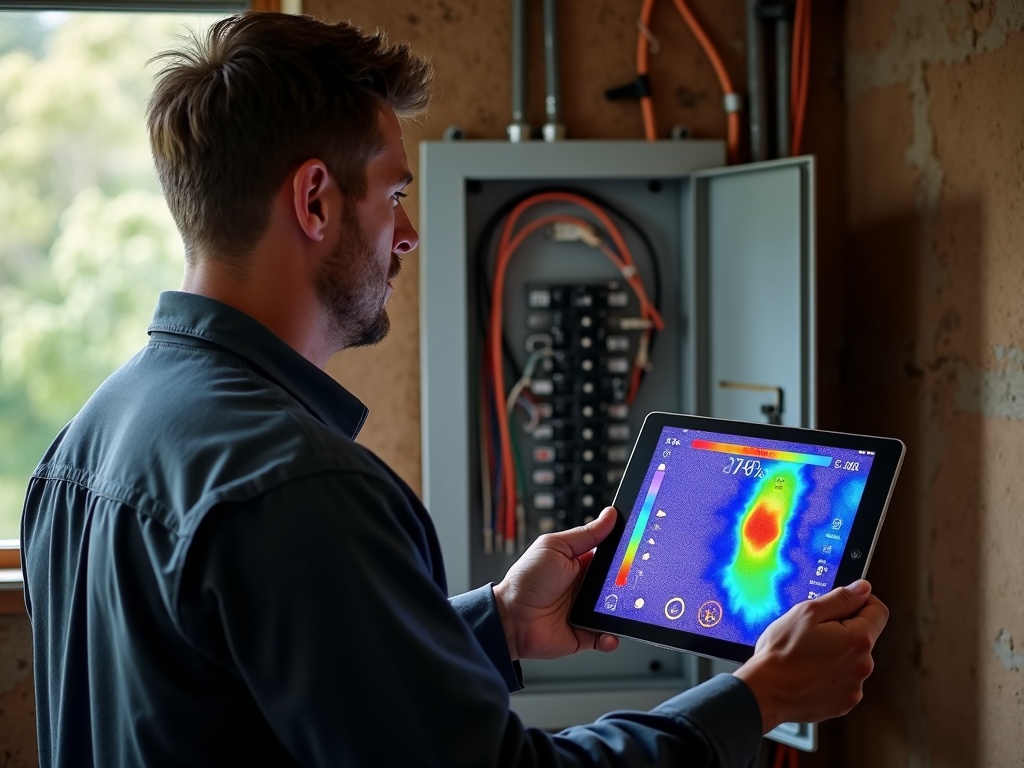
For homeowners in Scottsdale, AZ and surrounding communities — from North Scottsdale down through Fountain Hills — our critical power electrical services process looks like this:
- A full electrical load assessment to understand what the medical equipment draws and what headroom your panel has
- Thermal imaging scan of the panel to catch any hot spots before we add load
- Installation of dedicated circuits to the equipment location
- Transfer switch or UPS integration, permitted and inspected
- Testing under load before we call it done
We’re licensed, insured, and have been part of this community long enough to know that corners don’t stay hidden in Arizona — the heat finds them. If you’re unsure whether your current setup can handle this kind of upgrade, read about what a home electrical load assessment actually involves before you start spec’ing out equipment.
If You’re Registering with Your Utility — Do It Now
APS and SRP both maintain medical baseline programs and life support registries. If someone in your home uses life-sustaining equipment, registering with APS’s Medical Baseline program can mean priority restoration and advance notice before planned outages. That’s a free step that takes ten minutes — do it today.
But registration doesn’t replace having your own backup. Grid restoration timelines during major weather events in AZ can stretch to 24–72 hours. Your equipment can’t wait that long.
Feel the confidence of knowing that when the lights go out in your neighborhood, your equipment hums right through it — that’s what a properly installed backup system actually gives you. If you’re ready to get the infrastructure right from the start, call FHR Electric at (602) 492-9999. We’ll assess your panel, spec the right solution, and handle the installation from permit to final inspection — done once, done right.

