If your garage has become a serious workspace — or your Tesla just arrived and you’re staring at a single 15-amp circuit wondering how this is going to work — you’ve probably already started Googling Subpanel Installation. Good instinct. A subpanel is one of the smartest electrical upgrades a homeowner can make, and in Scottsdale, AZ, where garages double as workshops, casitas need their own circuits, and summer AC loads push older panels to the edge, the question usually isn’t whether you need one. It’s whether now is the right time.
What a Subpanel Actually Does
Your main panel is the brain of your home’s electrical system. A subpanel is a satellite — fed by a dedicated breaker in the main panel, it distributes power to a specific area without crowding your main board with more breakers than it can safely handle. Think of it as a regional hub. The main panel stays clean and organized; the subpanel handles its own zone.
This matters because modern loads are genuinely heavy. A Level 2 EV charger alone pulls 48 amps continuously. Add a mini-split, a few dedicated outlets for power tools, and decent lighting, and you’re well past what a single 20-amp circuit was ever meant to carry. A properly sized subpanel solves that cleanly — no extension cords, no tripped breakers, no compromise.
If your main panel is already running tight, check out whether 200-amp service is still enough for a modern Arizona home — it’s a question we hear constantly from homeowners in North Scottsdale and across Maricopa County.
When Adding a Subpanel Makes the Most Sense
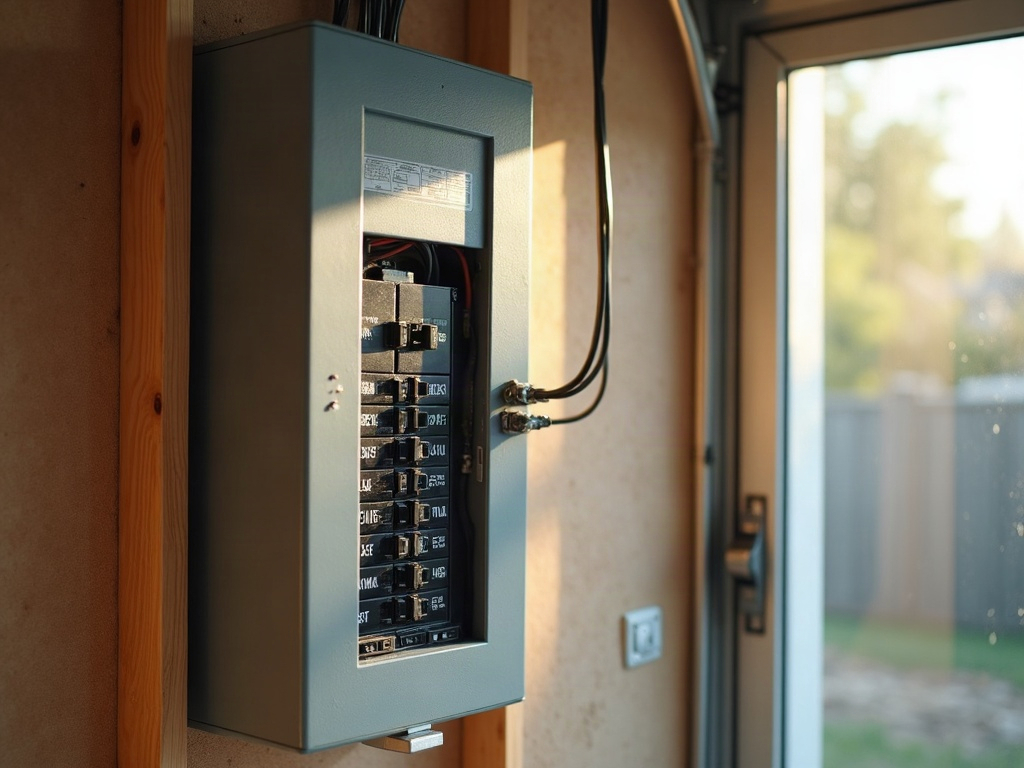
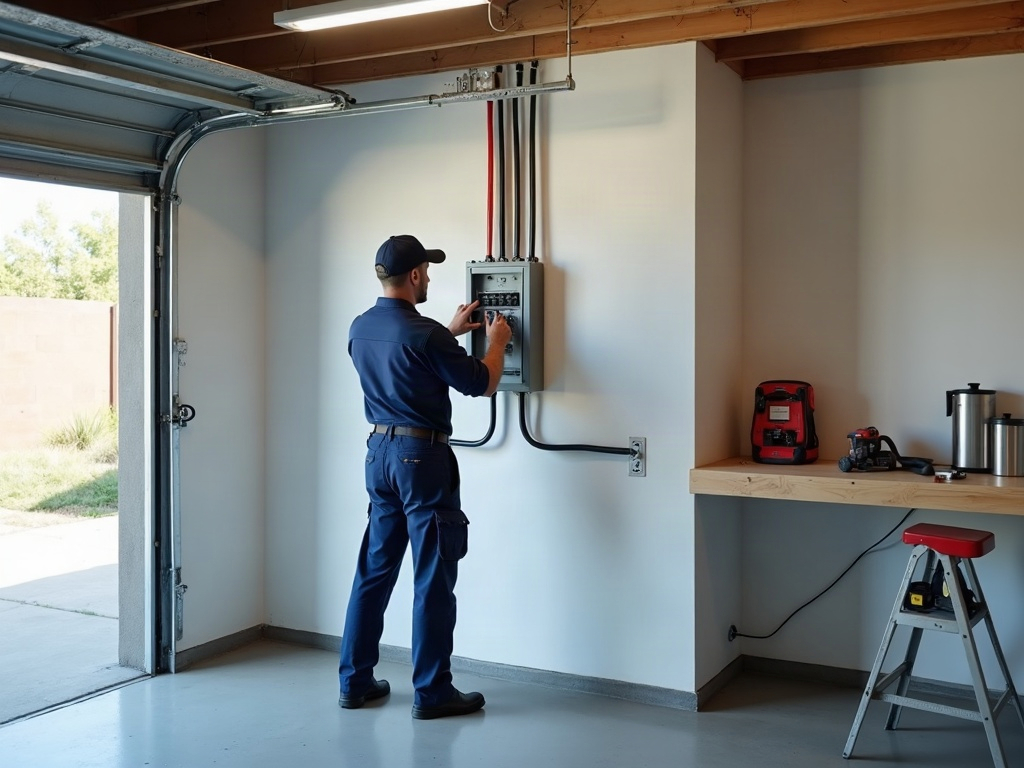
- Garage conversion or workshop: Welders, compressors, and EV chargers all need dedicated circuits. Running individual home runs back to your main panel from a detached garage near McCormick Ranch or Gainey Ranch gets expensive fast. A subpanel in the garage is cleaner, cheaper at scale, and future-proof.
- Casita or guest suite addition: A separate living space almost always needs its own distribution point. Read more about what the electrical hookup for a casita actually involves.
- Kitchen remodel or major addition: New appliances, new circuits, new loads — your existing panel may simply not have the slots or the headroom. A subpanel keeps the remodel scope contained and code-compliant.
- Main panel is full: If every slot is occupied and you need more circuits, tandem breakers are a band-aid. A subpanel is the right fix.
- Long runs to a detached structure: Pool house, workshop, barn — if it’s more than 50 feet from the main panel, a subpanel at the destination is almost always the better engineering choice.
A subpanel isn’t an upgrade for upgrade’s sake — it’s the difference between an electrical system that works for your life and one you’re constantly working around.
What Does Subpanel Installation Cost in Scottsdale, AZ?
Here’s the honest answer: it depends on a few variables, but you’re not flying blind. For most residential projects in Scottsdale, AZ and the broader AZ metro, here’s a realistic range:
- Small subpanel (60–100 amp, attached garage): roughly $800–$1,500 installed, assuming the main panel has capacity and the run is short.
- Mid-size subpanel (100–150 amp, detached structure): typically $1,500–$3,000 depending on trench length, conduit requirements, and panel size.
- Larger subpanel (200 amp, major addition or commercial space): $2,500–$5,000+, especially if the main service needs evaluation or upgrade at the same time.
What moves the number? Trench depth and length (Maricopa County soil is predictable, but longer runs add conduit and wire costs), permit and inspection fees, whether the feeder wire needs to be aluminum or copper, and the condition of your main panel. If you’re working with an older panel — or one from a brand with known reliability issues — we’ll tell you before we quote. No surprise invoices. That’s a promise we keep on every job.
It’s also worth knowing that a subpanel installation done right — permitted, inspected, and installed by a licensed contractor — can genuinely increase your home’s resale value, especially in a competitive Scottsdale market where buyers and their inspectors look hard at the electrical.
Why Licensed Installation Isn’t Optional Here
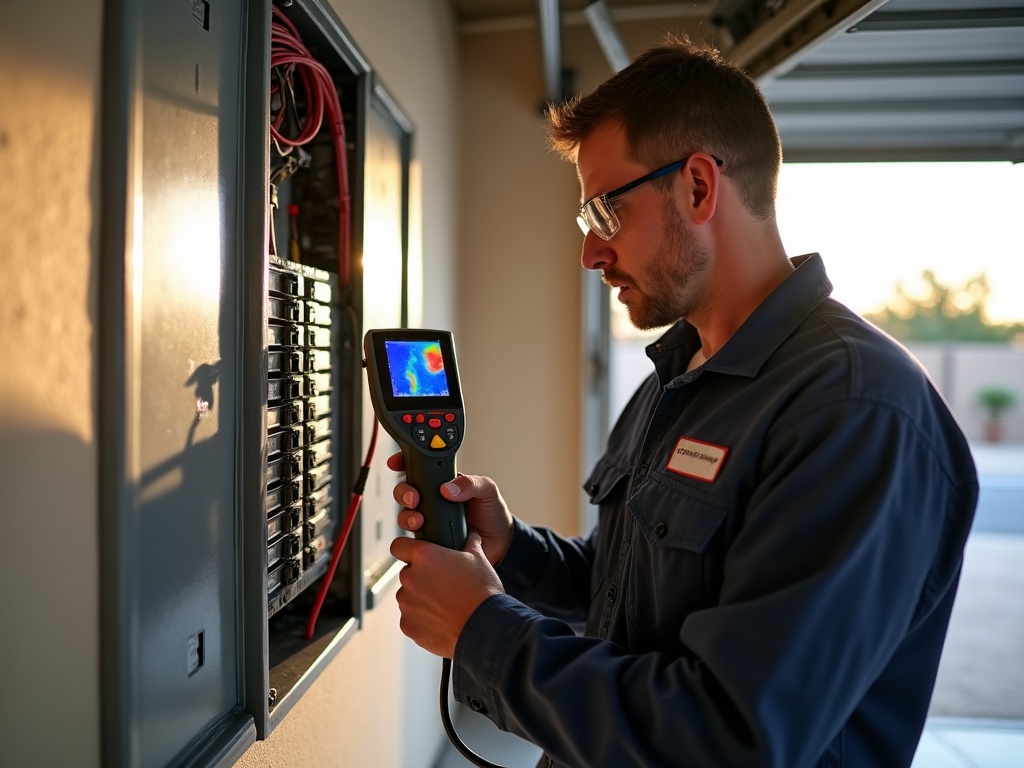
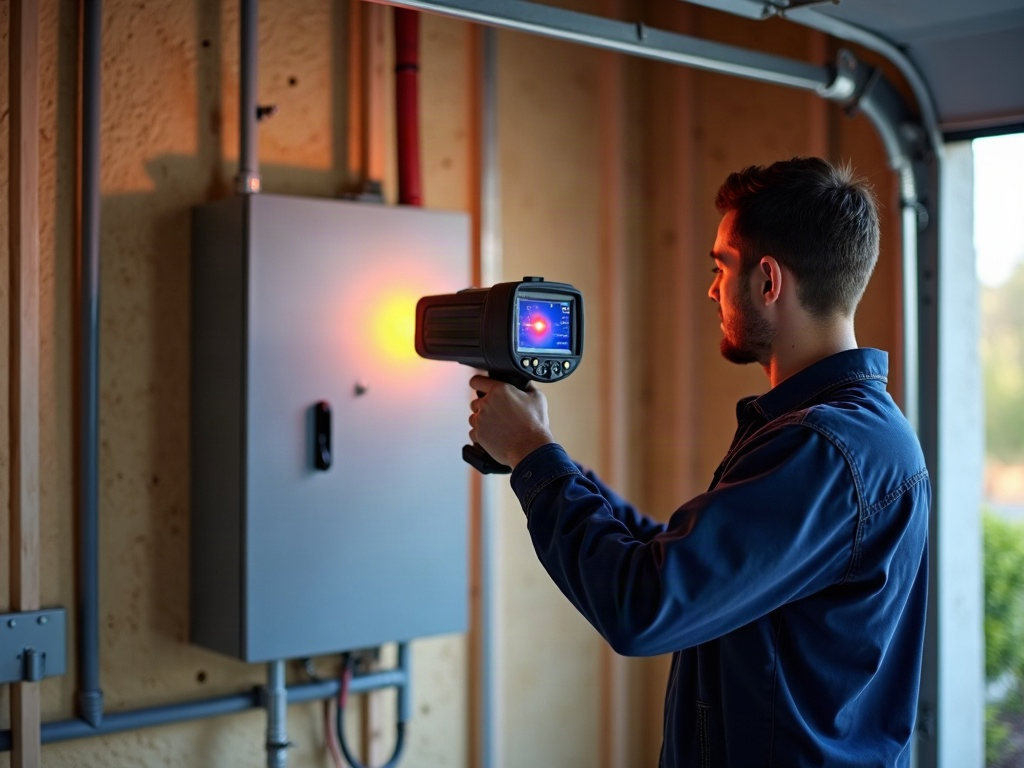
A subpanel is not a DIY project, and it’s not a job for whoever quotes lowest. The feeder breaker, wire sizing, grounding, bonding, and load calculations all have to be right — not approximately right. A mistake here creates a fire risk that won’t announce itself until it’s too late. We use thermal imaging on every panel job we complete, which means we can actually show you proof that the connections are correct and running cool. Here’s what thermal imaging finds that a visual inspection misses — it’s worth reading before you hire anyone.
FHR Electric is the electrical division of FHR Construction — a licensed, insured Arizona contractor with over 20 years in the Phoenix metro. We pull permits, we schedule inspections, and we don’t disappear after the job. If you’ve been burned by an unlicensed sub before, you already know why that matters. If you haven’t, consider yourself lucky and let’s keep it that way.
Whether you’re in Scottsdale, AZ, Old Town Scottsdale, Chandler, or anywhere across Maricopa County, the process is the same: we assess your main panel, size the subpanel correctly for your actual loads, pull the permit, run the job cleanly, and get it inspected. Done once, done right.