If you’ve been Googling Is Siemens Panel Reliable before signing off on a panel upgrade, you’re already asking the right question. Most homeowners in Scottsdale, AZ — and across Scottsdale generally — don’t think about brand until a contractor hands them a quote with one name on it. Then suddenly it matters a lot. So let’s actually dig in, because the answer isn’t just “yes” or “no.”
Myth vs. Fact: What People Get Wrong About Siemens Panels
Myth: Siemens is a budget brand, not a serious choice
The belief: Siemens shows up in big-box stores, so it must be a step down from the “pro” brands contractors prefer.
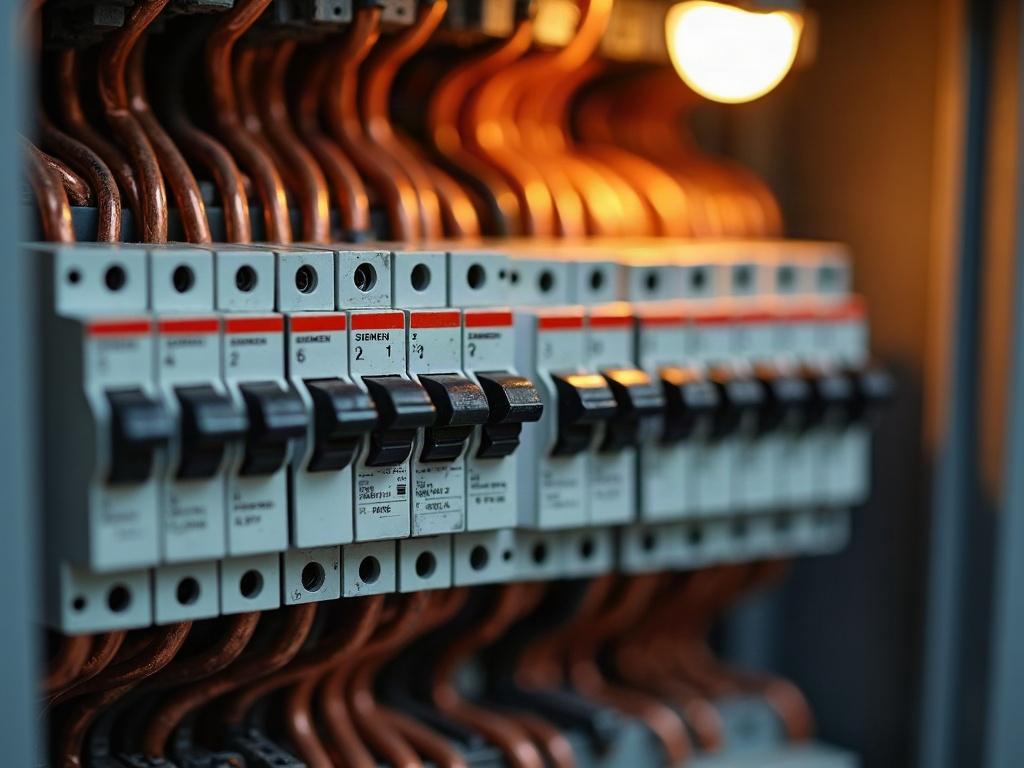
The reality: Siemens is a global industrial manufacturer — the same company supplying switchgear to hospitals and data centers. Their residential panels use the same engineering discipline. Availability at a hardware store is a distribution decision, not a quality indicator.
Myth: All residential panel brands are basically equal
The belief: A breaker is a breaker. Buy whatever’s cheapest and move on.
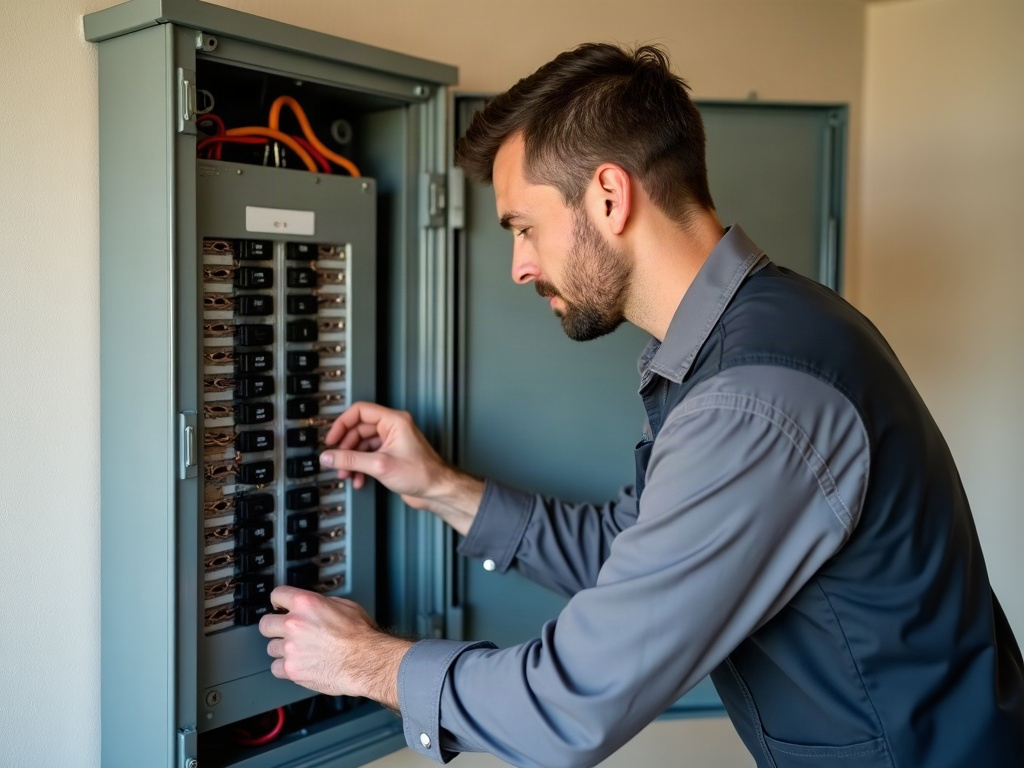
The reality: Breaker compatibility is brand-specific and code-required. Siemens panels must use Siemens or listed-compatible breakers. Mix in an off-brand breaker and you’ve voided the panel’s UL listing — and potentially your homeowner’s insurance. This is the detail most unlicensed subs skip, and it’s exactly the kind of thing a licensed Arizona electrical contractor catches on inspection.
Myth: Siemens vs Square D is a clear-cut winner situation
The belief: There’s an objectively better panel brand and your contractor already knows which one it is.
The reality: Siemens and Square D (Schneider Electric) are both excellent. The practical differences come down to local parts availability, your contractor’s familiarity, and the specific load profile of your home or business. In the Phoenix metro, both brands are well-supported. What matters far more is whether the install is sized correctly, permitted, and inspected — not the logo on the door.
Myth: If a recall exists, the whole brand is untrustworthy
The belief: I heard Siemens had a recall once. That means I should avoid them entirely.
The reality: Every major electrical brand has issued product notices or recalls at some point — that’s actually the system working correctly. The U.S. Consumer Product Safety Commission tracks these publicly. What distinguishes a trustworthy brand is responsiveness and transparency, both of which Siemens has demonstrated. If you have an older Siemens panel and want to know whether it falls under any current notice, a licensed electrician can check the model number against the CPSC database in minutes.
The Real Question: Is Your Siemens Panel Right for Your Load?
This is where homeowners across Scottsdale — especially those adding a Tesla charger in North Scottsdale or upgrading a kitchen in Old Town — often get tripped up. A Siemens panel rated for 200 amps is excellent hardware. But if your home now runs a Level 2 EV charger, a new variable-speed HVAC, and a high-draw kitchen, the question isn’t whether Siemens is reliable. It’s whether your current panel has the capacity and the correct breaker slots to handle that load safely.
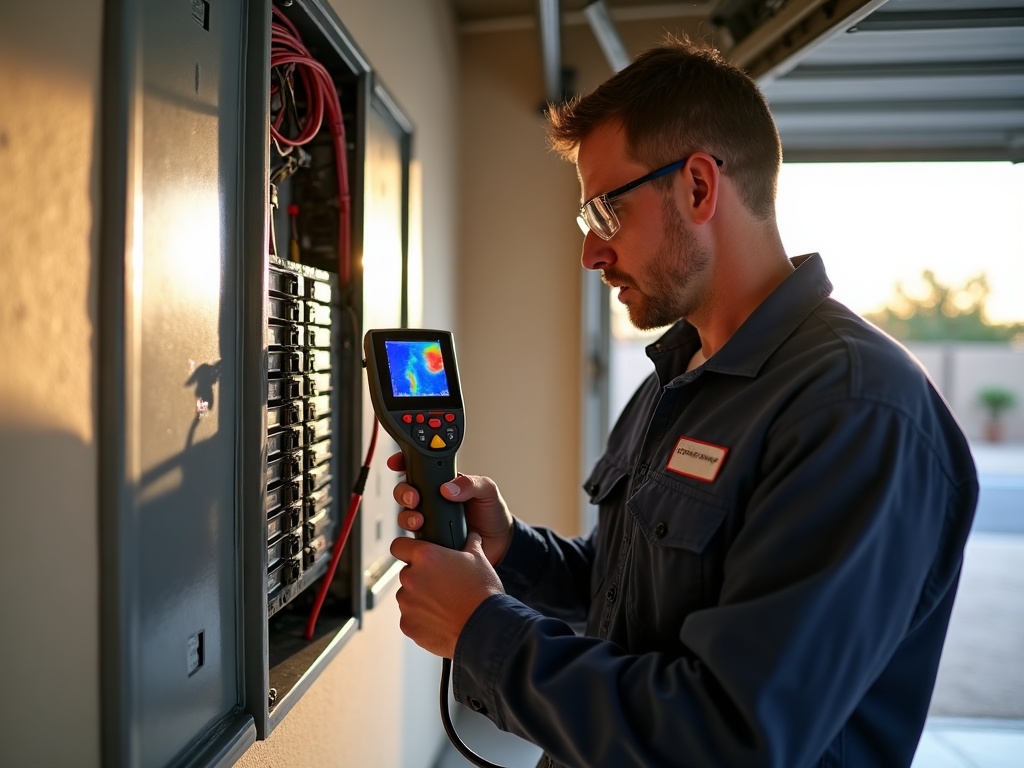
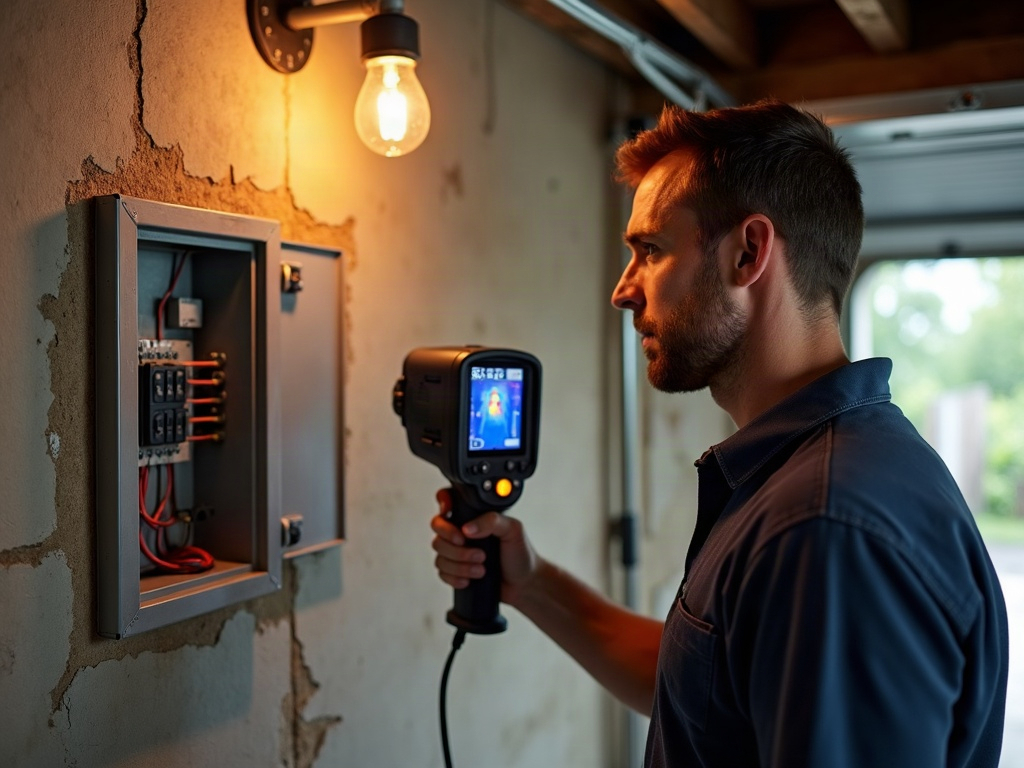
That’s a load calculation question, not a brand question. And it’s exactly why we recommend a thermal imaging scan of your electrical panel before any major upgrade — it shows real-time heat signatures that reveal overloaded circuits no visual inspection can catch.
If you’re EV shopping and your delivery date is circled on the calendar, we also have a full breakdown on whether your garage panel can actually handle an EV charger — worth a read before you call anyone.
What Actually Makes a Panel Upgrade Go Right
“The panel brand is the last thing that determines whether this job goes well. The permit, the load calc, and the installer’s license — those are the first three.”
A Siemens panel installed correctly, permitted through the city, and inspected is a rock-solid choice. The same panel installed by an unlicensed contractor without a permit is a liability — regardless of brand. We’ve seen both scenarios play out in homes across Chandler, Tempe, and Fountain Hills. The hardware is rarely the problem.
- Always verify your electrician holds an active Arizona ROC license — here’s how to check in under two minutes
- Confirm a permit will be pulled — skipping permits in Arizona creates real problems at resale and with insurers
- Ask whether a thermal scan is part of the post-install check — if they look at you blankly, that tells you something
- Make sure the breaker inventory matches the panel spec — no off-brand breakers substituted to save $40
If you’re weighing a full replacement versus keeping what you have, our honest guide to repairing vs. replacing your panel walks through the decision without upselling you unnecessarily. And if capacity is the real concern, the 400-amp service explainer is worth a look for larger homes or anyone running a home office with serious equipment loads.
Bottom line: Siemens makes a genuinely reliable panel. The brand earns its place in residential electrical work. But the panel is only as good as the install around it. If you’re in Scottsdale or anywhere in Maricopa County and want a straight answer about what your home or business actually needs — not a hard sell — call FHR Electric at (602) 492-9999. We’ll tell you exactly what we see, and we’ll give you a price before any work starts.