If you’ve ever wondered What Does a Double Pole Breaker Do, here’s the short answer: it ties two adjacent slots in your panel together so they trip as one unit, delivering 240 volts instead of the standard 120. That’s not a workaround or an upgrade — it’s simply how large appliances, EV chargers, and central air systems are designed to be powered. Understanding the difference matters, especially if your Scottsdale, AZ home is running newer loads that a standard single-pole breaker was never built to handle.
Double Pole vs. Single Pole: The Actual Difference
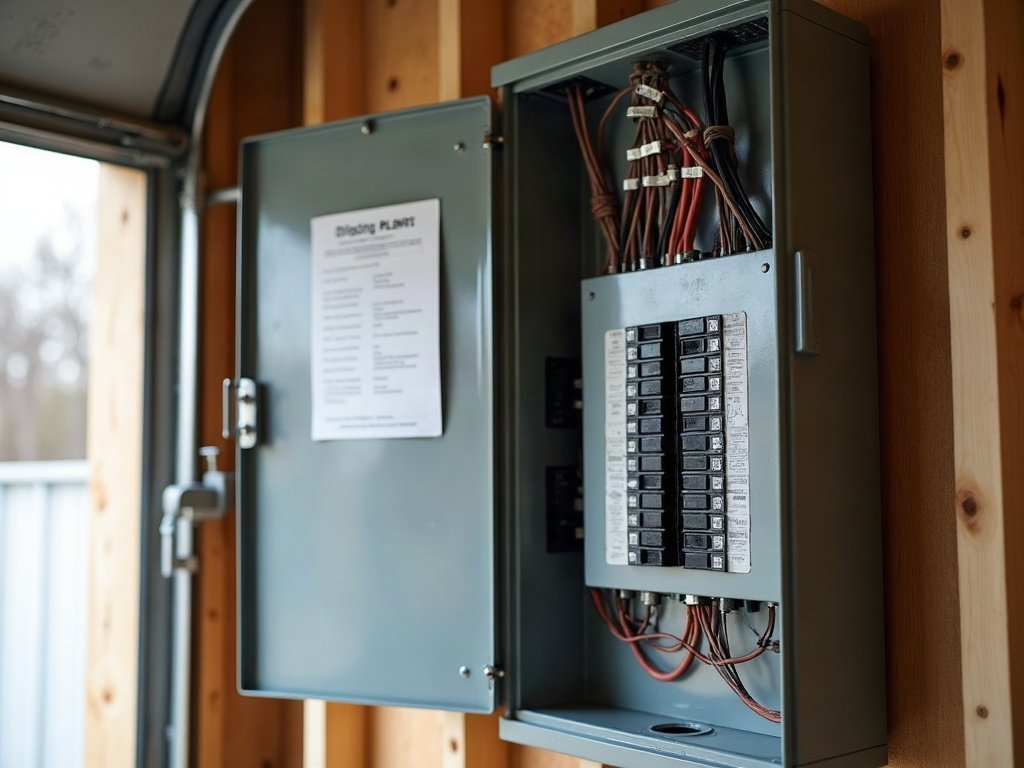
A single-pole breaker occupies one slot in the panel and protects one 120-volt circuit — think a bedroom’s outlets or a bathroom light. A double-pole breaker takes two slots and connects to both hot legs of your service entrance, which is how it produces 240 volts. Both legs trip together if either detects a fault, which is a critical safety feature.
Common loads that require a 240-volt breaker:
- Central air conditioners and heat pumps
- Electric ranges and double ovens
- EV chargers (Level 2 — 40 to 60 amps is typical)
- Electric water heaters and dryers
- Hot tubs and pool equipment
- Whole-home generators wired through a transfer switch
If you just took delivery of a Tesla or a Rivian and your garage panel is still running on the original breakers from when the house was built, that charger conversation is overdue. Our guide on what a Wi-Fi EV charger installation actually involves walks through exactly what changes inside the panel.
What to Expect When We Install a What Does a Double Pole Breaker Do Circuit
Here’s how a typical double-pole breaker installation runs from first call to finished job — no surprises, no scope creep.
Step 1 — The First Call
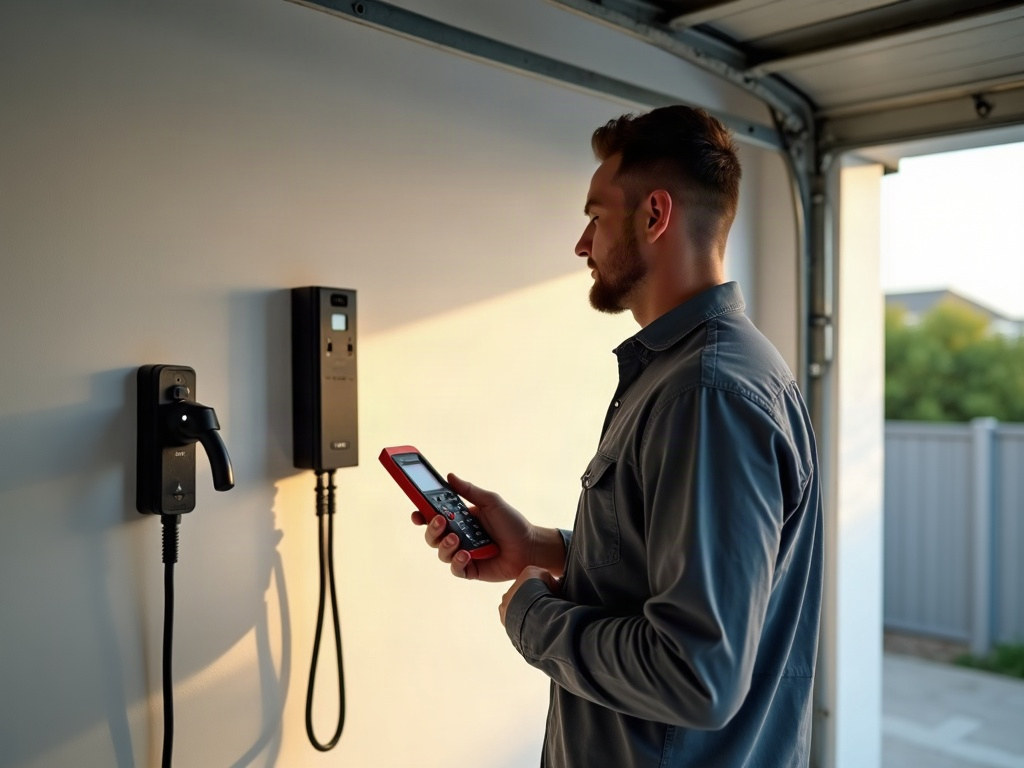
You call FHR Electric at (602) 492-9999 and describe what you’re adding — EV charger, new HVAC unit, kitchen remodel. We ask a few focused questions: panel age, current amperage, how far the new circuit needs to run. This isn’t small talk; it’s how we show up with the right breaker, wire gauge, and conduit on the first trip instead of the second.
Step 2 — Panel Assessment on Arrival
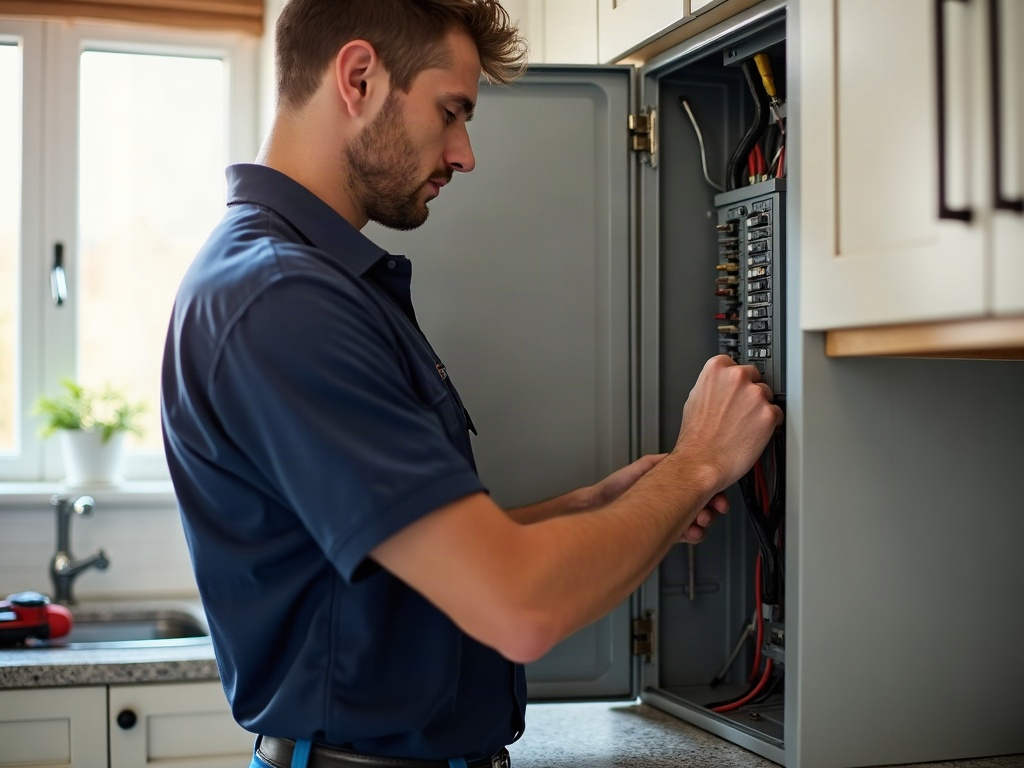
Before we pull a single wire, we open the panel and look at what’s actually there. Older homes near McCormick Ranch in Scottsdale or in the Desert Ridge corridor of North Phoenix are still running 100- or 150-amp service in some cases — not enough headroom for a modern 50-amp double-pole circuit without an upgrade. We check available slots, verify the bus bar rating, and flag anything that warrants attention, like a double-tapped breaker hiding in plain sight.
A 30-amp double-pole breaker feeding an EV charger on 10-gauge wire is a fire waiting to happen. Wire gauge and breaker rating have to match — always.
Step 3 — The Work Itself
Installing the breaker is typically the straightforward part. The wire run — through finished walls, attic space, or conduit on an exterior — is where skill and care show up. We pull the correct gauge wire for the amperage (8-gauge for a 40-amp circuit, 6-gauge for 50 amps), land it cleanly on the breaker, and torque the terminals to spec. If a permit is required by the City of Scottsdale, we pull it. Skipping that step is how homeowners end up with failed inspections and real liability when they sell.
Wire gauge quick reference for double-pole circuits:
- 30-amp circuit → 10-gauge wire (dryers, small HVAC)
- 40-amp circuit → 8-gauge wire (ranges, larger EV chargers)
- 50-amp circuit → 6-gauge wire (hot tubs, high-output EV chargers)
- 60-amp circuit → 4-gauge wire (large HVAC, sub-feeds)
Step 4 — After the Work Is Done
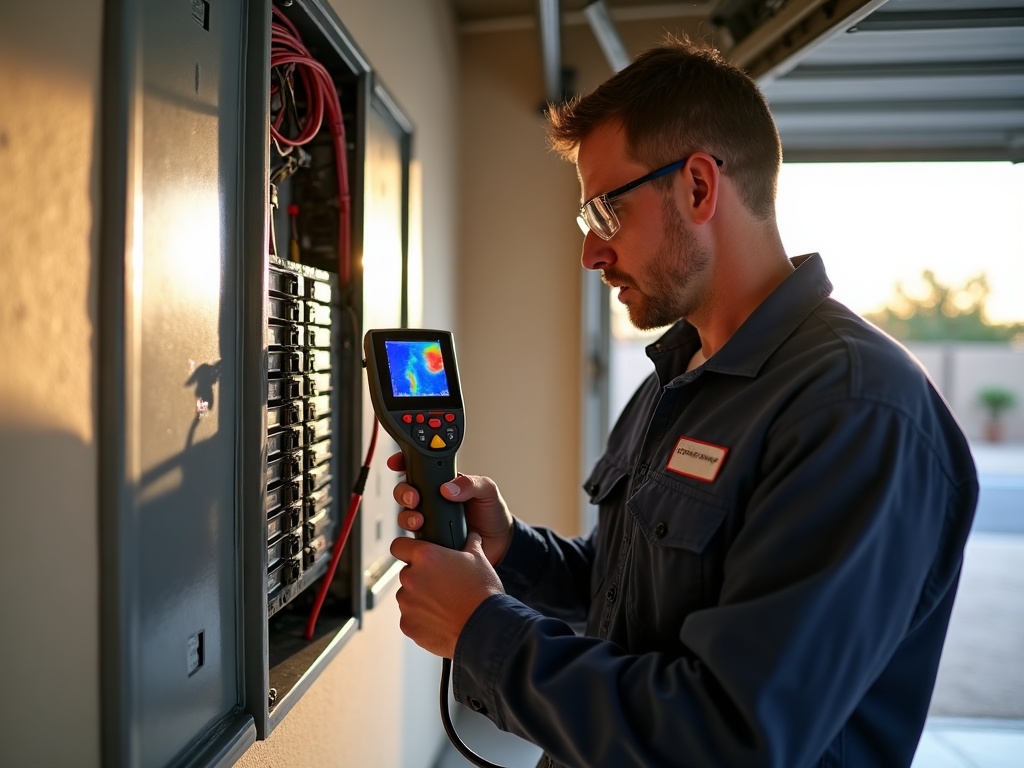
We test the circuit under load, verify voltage at the termination point, and walk you through what was done and why. If we ran a thermal imaging scan on the panel — which we recommend for any home with a panel older than 15 years — you leave with documented proof that everything is running clean. That report matters if you’re listing the home or if an insurer ever asks questions. Read more about what a thermal imaging panel scan can reveal that a visual inspection simply misses.
What This Typically Costs
A straightforward double-pole breaker installation in the Scottsdale area — where the panel has open slots and the run is short — generally falls in the $250–$500 range. Add a longer wire run through finished space, a panel that’s at capacity, or a permit and inspection, and you’re realistically looking at $600–$1,200. Panels without room for new breakers may need a subpanel or a service upgrade before the new circuit can be added — our guide on installing a subpanel covers when that makes sense and what it runs. We give straight prices before any work starts. That’s not a pitch — it’s just how professionals operate.
If you’re in Scottsdale, AZ and you’re not sure whether your panel can handle the load you’re planning, the honest move is to have someone licensed look at it before you commit to a new appliance or charger. Verifying an Arizona electrical contractor’s license takes about two minutes — and it’s worth those two minutes every time.
— Chris